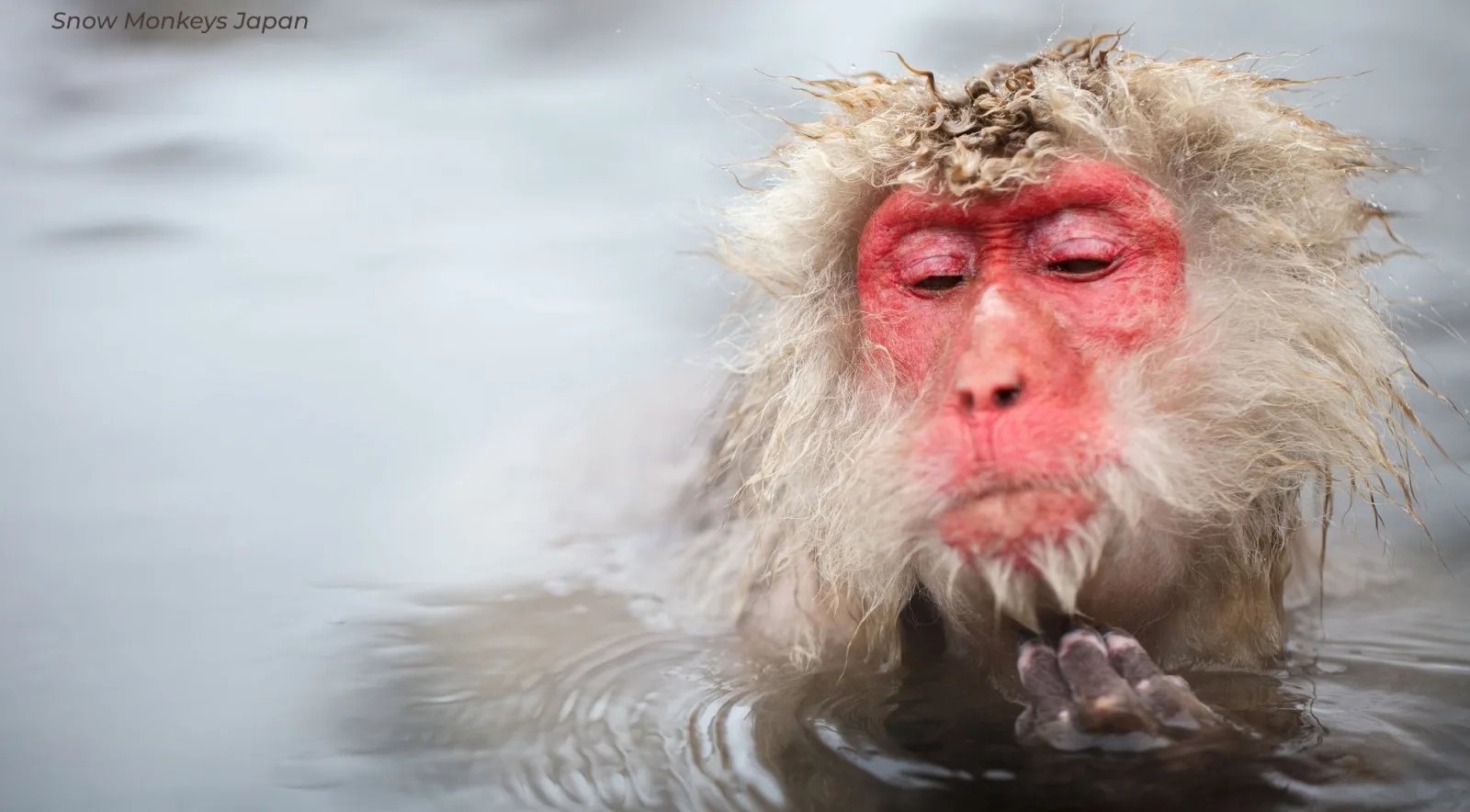
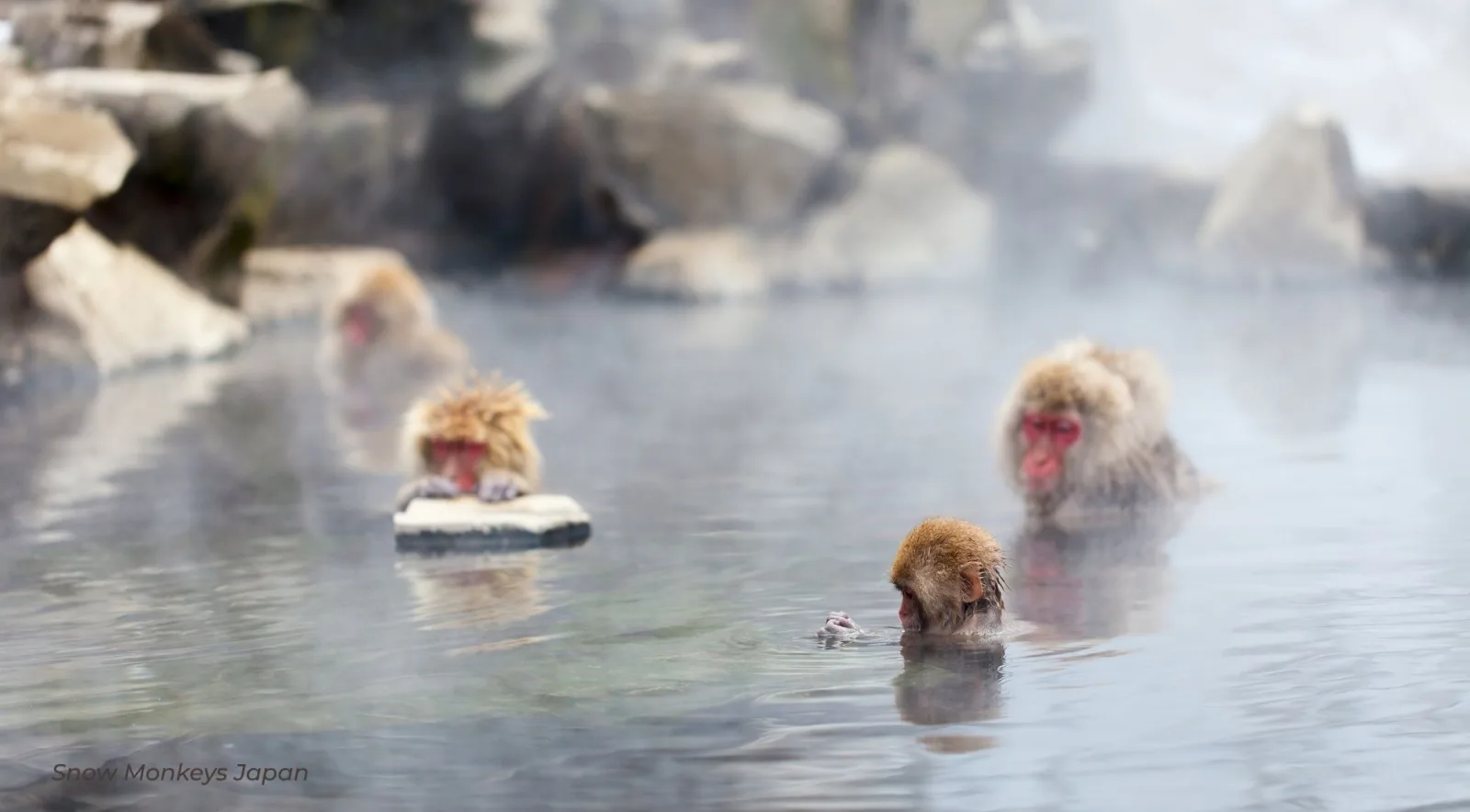
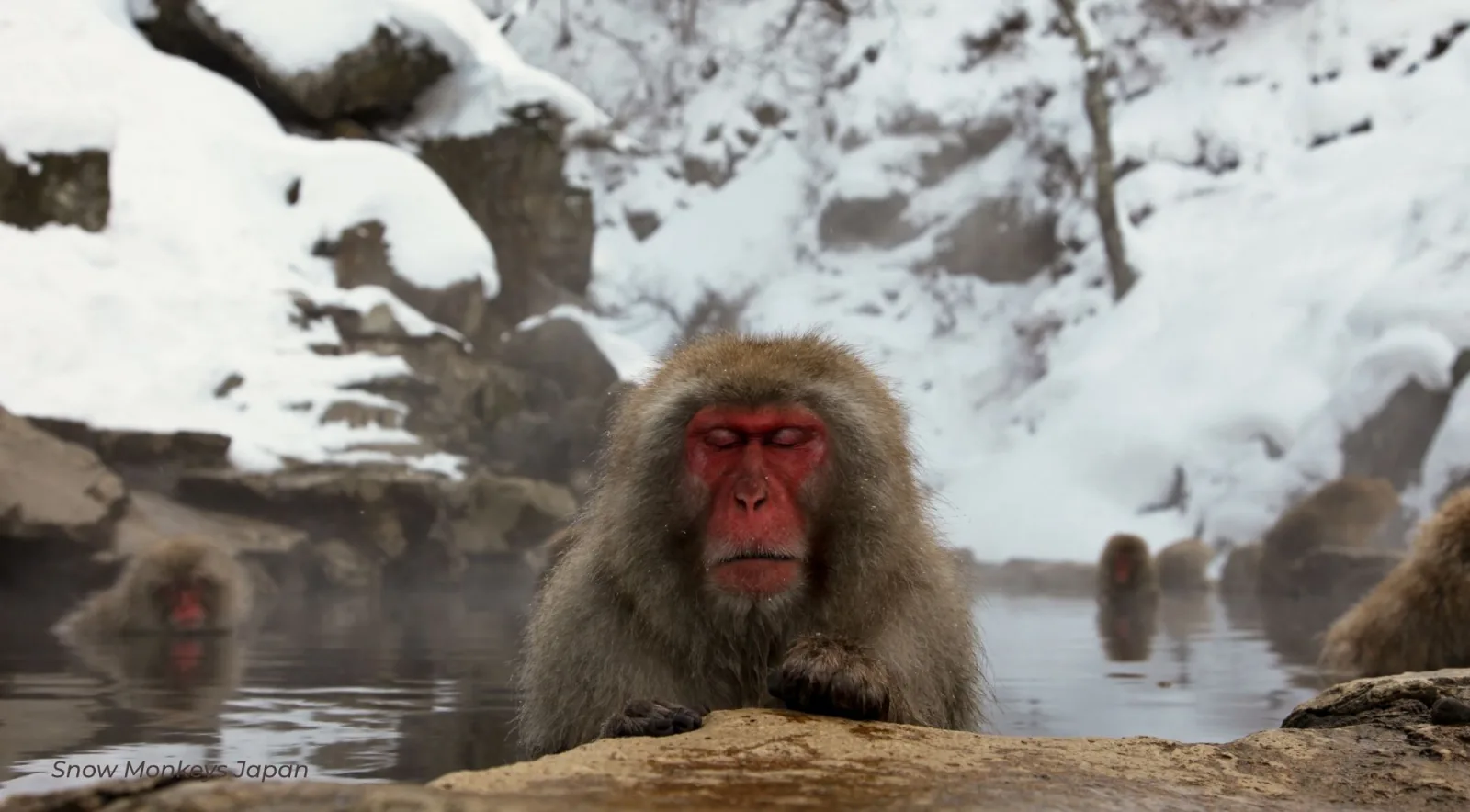
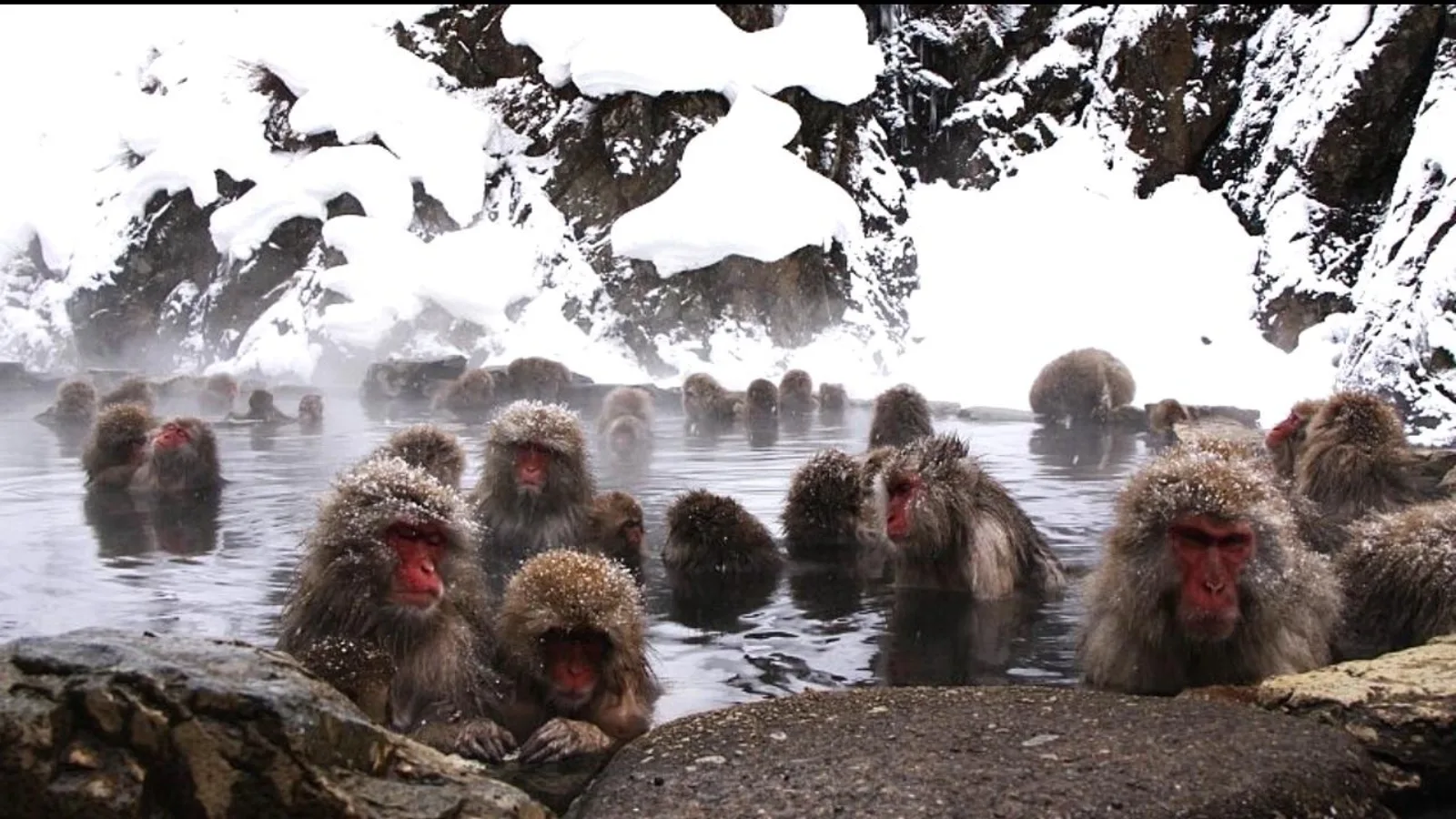
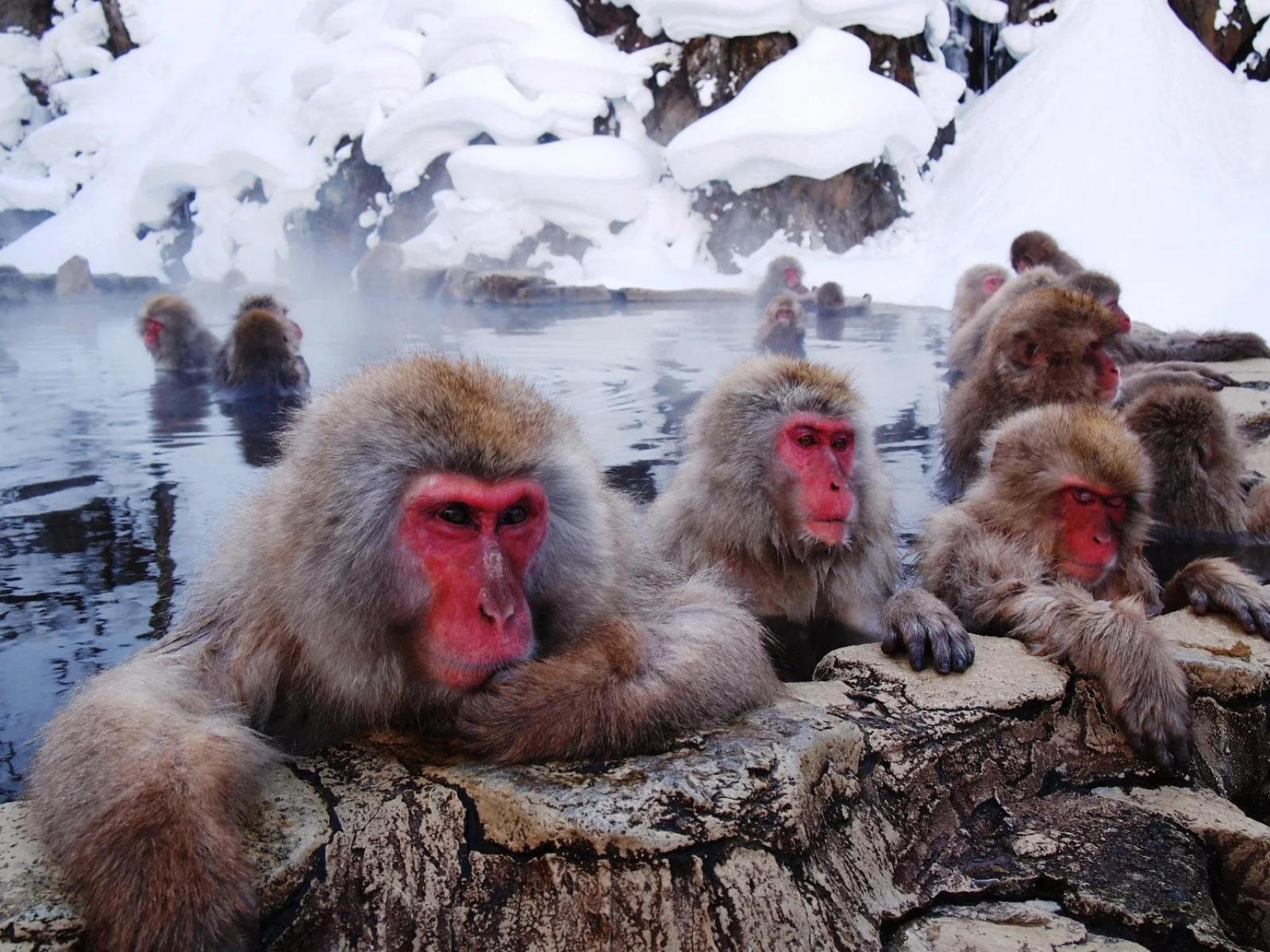
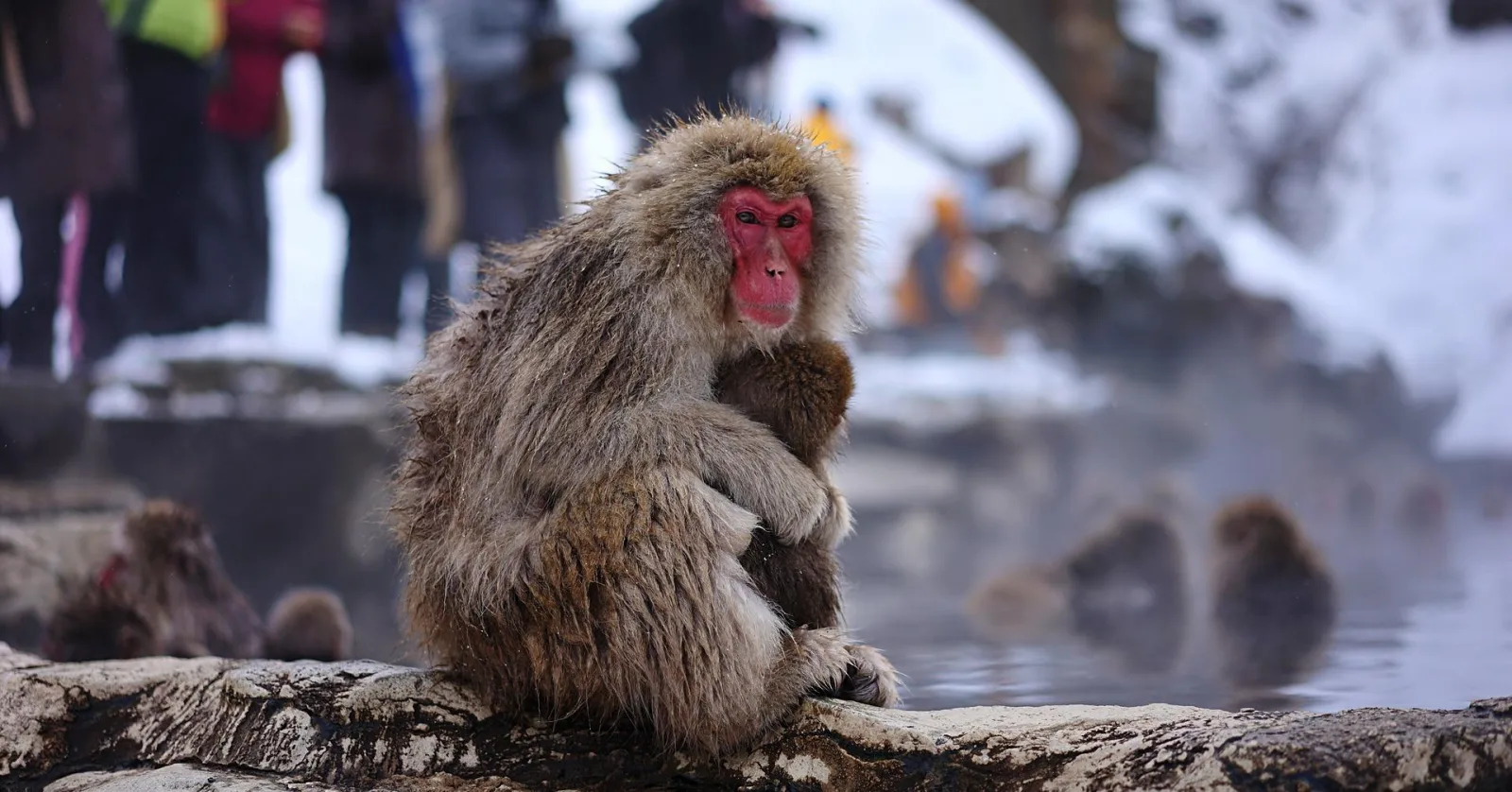
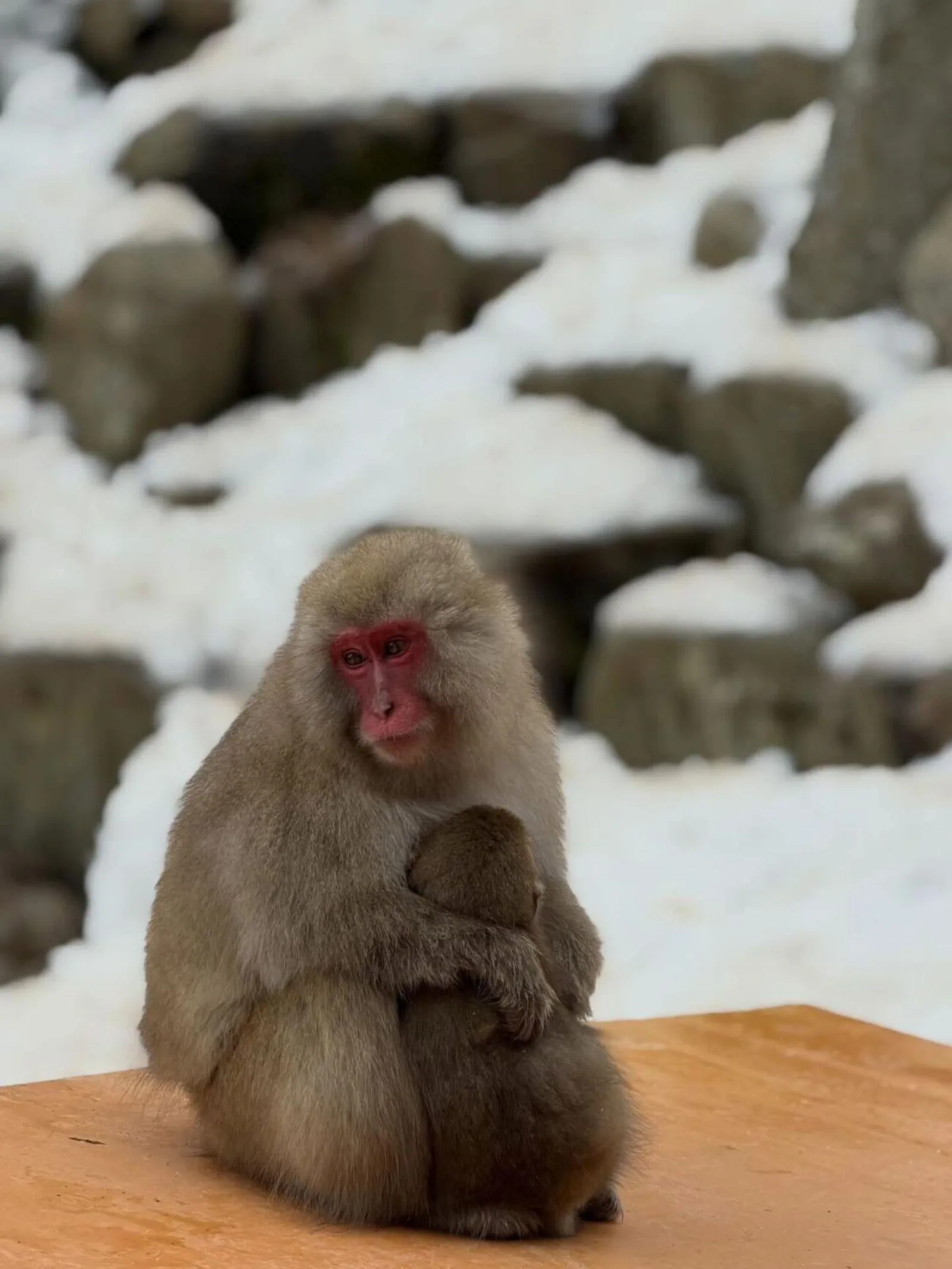
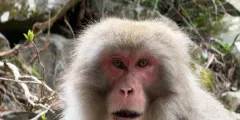
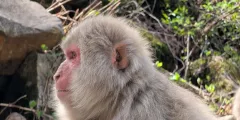
Jigokudani Monkey Park is the only place in the world where wild macaques bathe in a hot
spring, and it sits about four hours north of Tokyo by road. That distance is the whole
story of this trip. Almost everything people get wrong about a snow monkey day trip —
the cost, the timing, the month, the shoes — follows from the fact that you are crossing
a mountain range and back between breakfast and dinner.
The day is mostly driving, and that is not a criticism
A private charter from Tokyo runs ten hours. Three and a half to four of those are spent
driving north, and the same again coming back. What is left is the part you booked for,
and it is worth looking at how each operator spends it. The tours on this site allocate
anywhere from an unstated stop to two full hours inside the park, and the difference
between an hour and two hours at the pool is the difference between photographing
macaques and watching them.
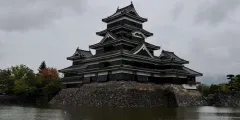
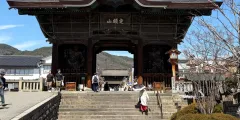
Several listings promise five stops — the monkey park, Zenko-ji temple, Shibu Onsen,
Obuse and a castle. With seven hours already committed to the road, five stops means
forty minutes at each. Three is a realistic day. Decide before you are picked up which
three you want, because the alternative is deciding it at four in the afternoon with the
light going.
The park is a walk, and in winter it is an icy one
No vehicle reaches Jigokudani. Cars stop at Kanbayashi Onsen and the last 1.6 km is on
foot, along the Yokoyu river through cedar forest — twenty-five to thirty minutes, mostly
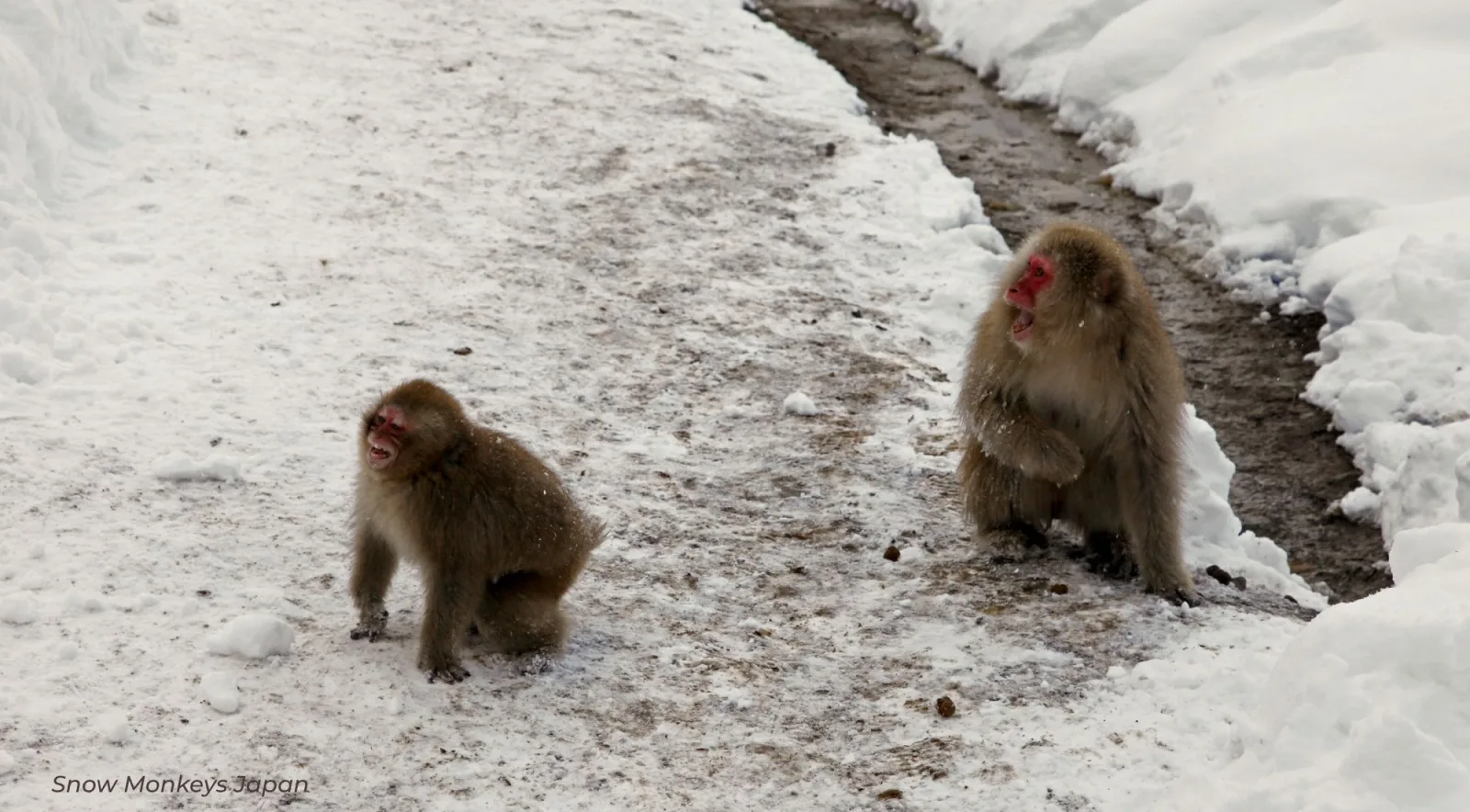
level, and for four months of the year compacted ice. Plenty of visitors arrive in
trainers and turn back. Boots with grip are the single most useful thing you can bring,
and crampons are sold at the trailhead for a few hundred yen if you did not.
Admission is paid at the gate and almost no tour from Tokyo includes it: ¥800 for adults
and ¥400 for children, rising to ¥1,000 and ¥500 on 1 December 2026, with e-tickets
online at ¥880 and ¥440. Carry cash in yen. On busy winter weekends the park can restrict
entry to e-ticket holders, which is worth knowing if you have booked a January Saturday.
Cold is what puts the monkeys in the water
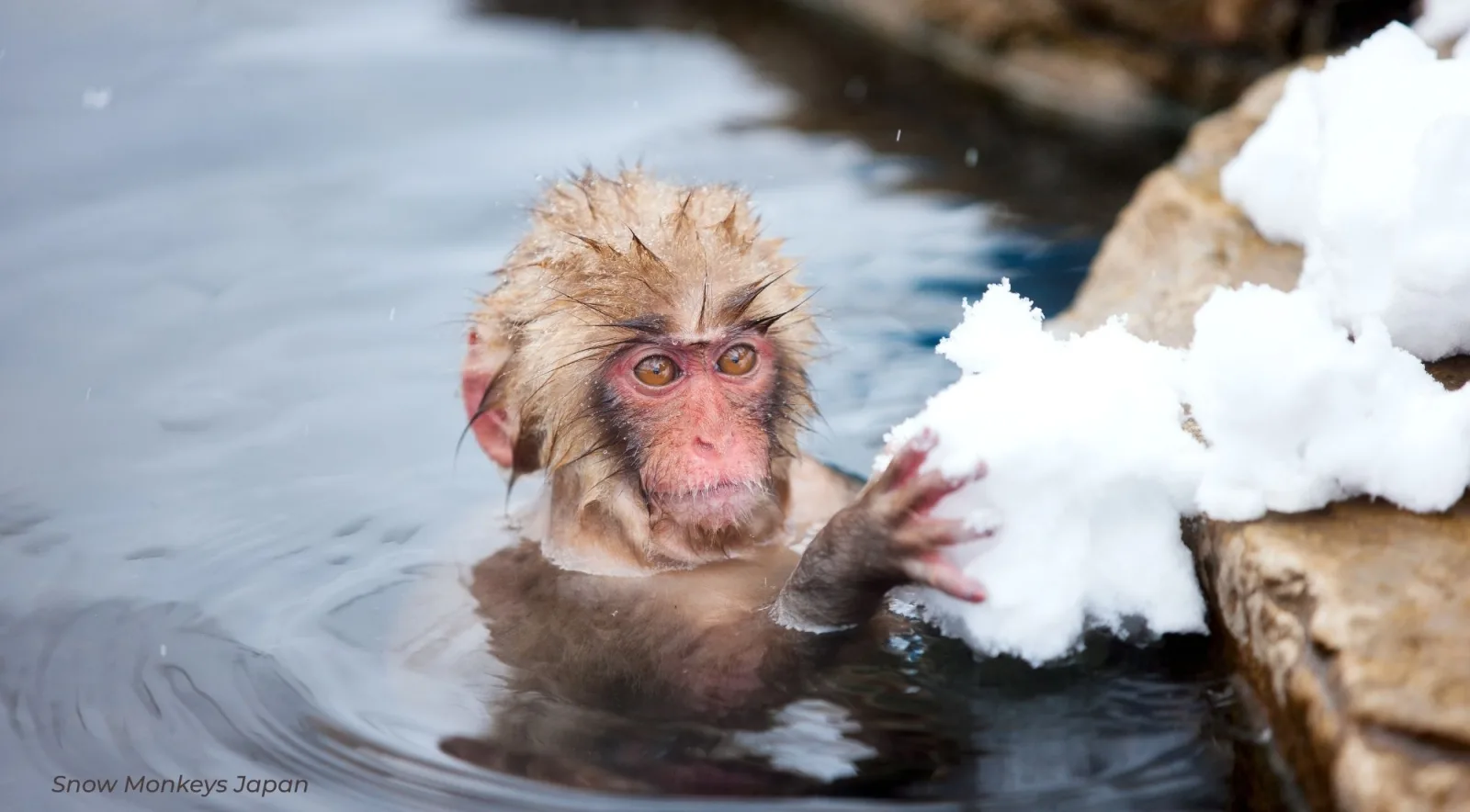
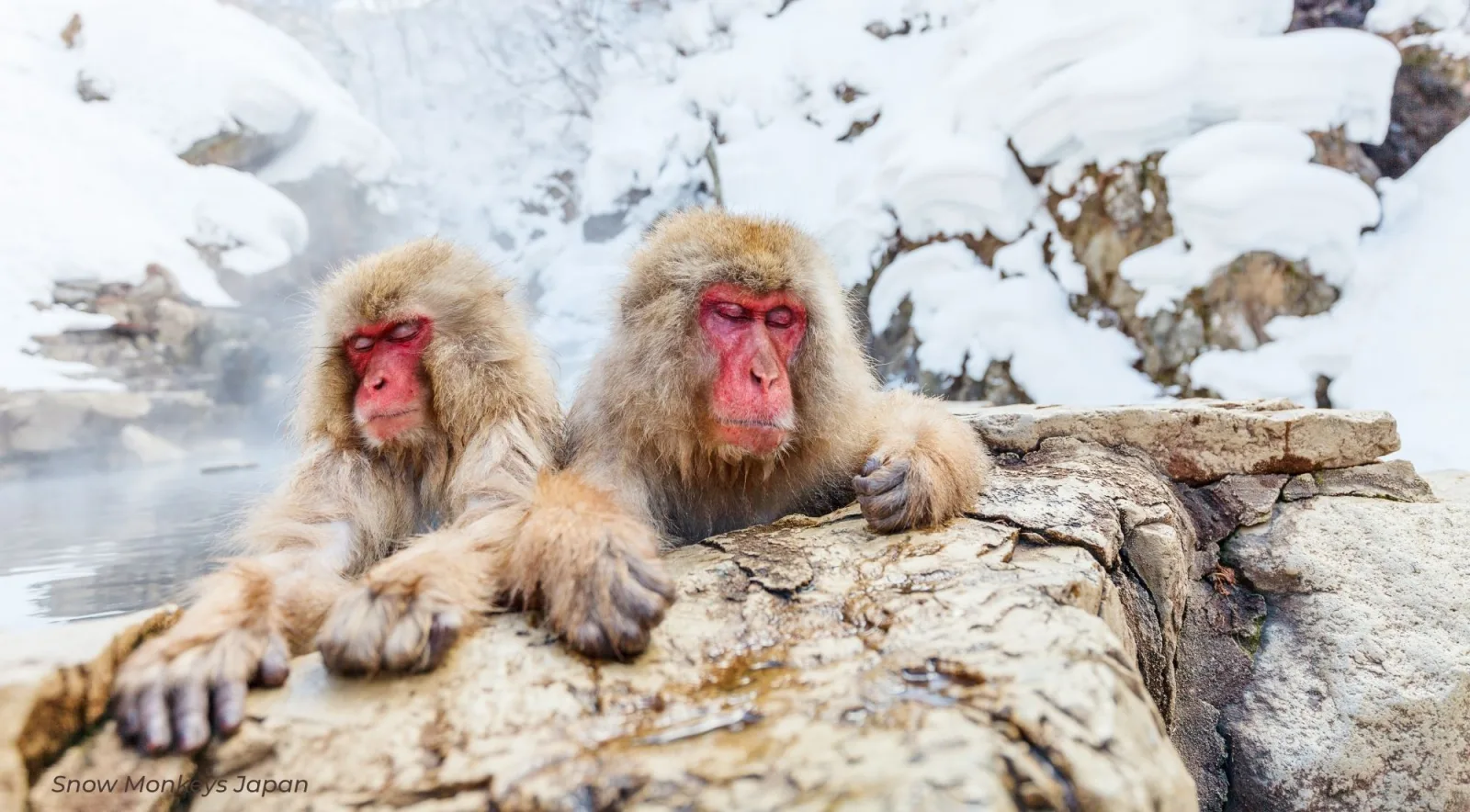
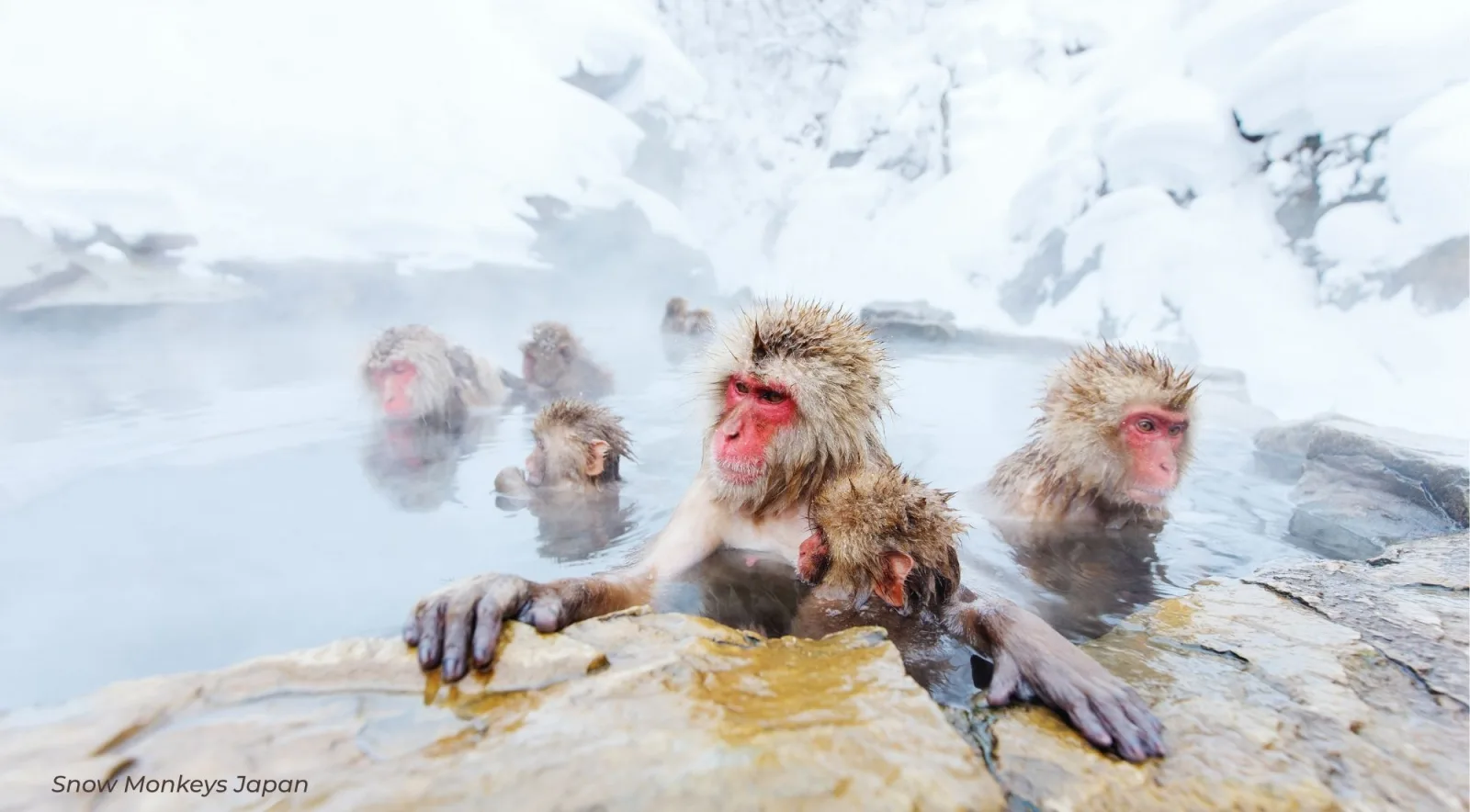
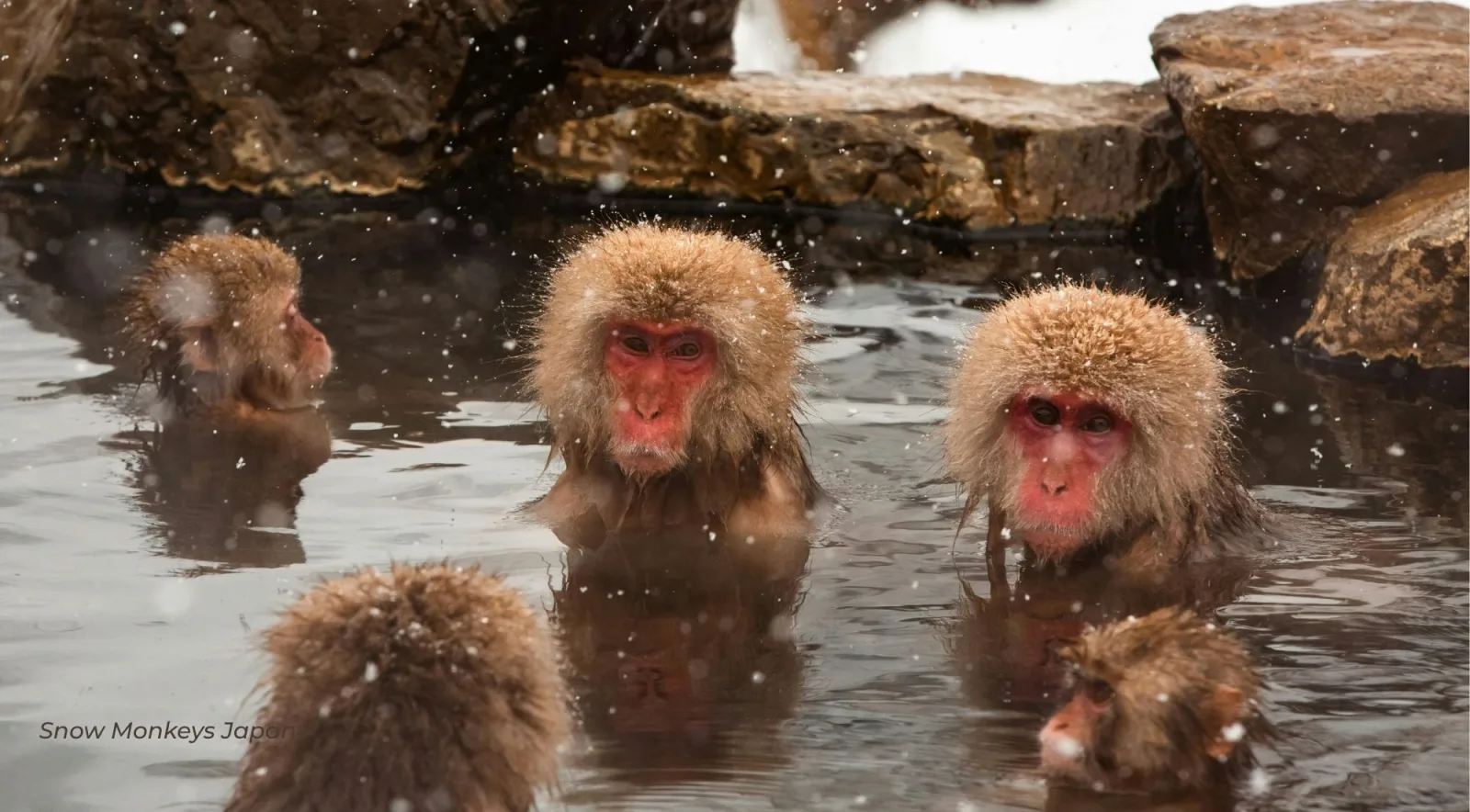
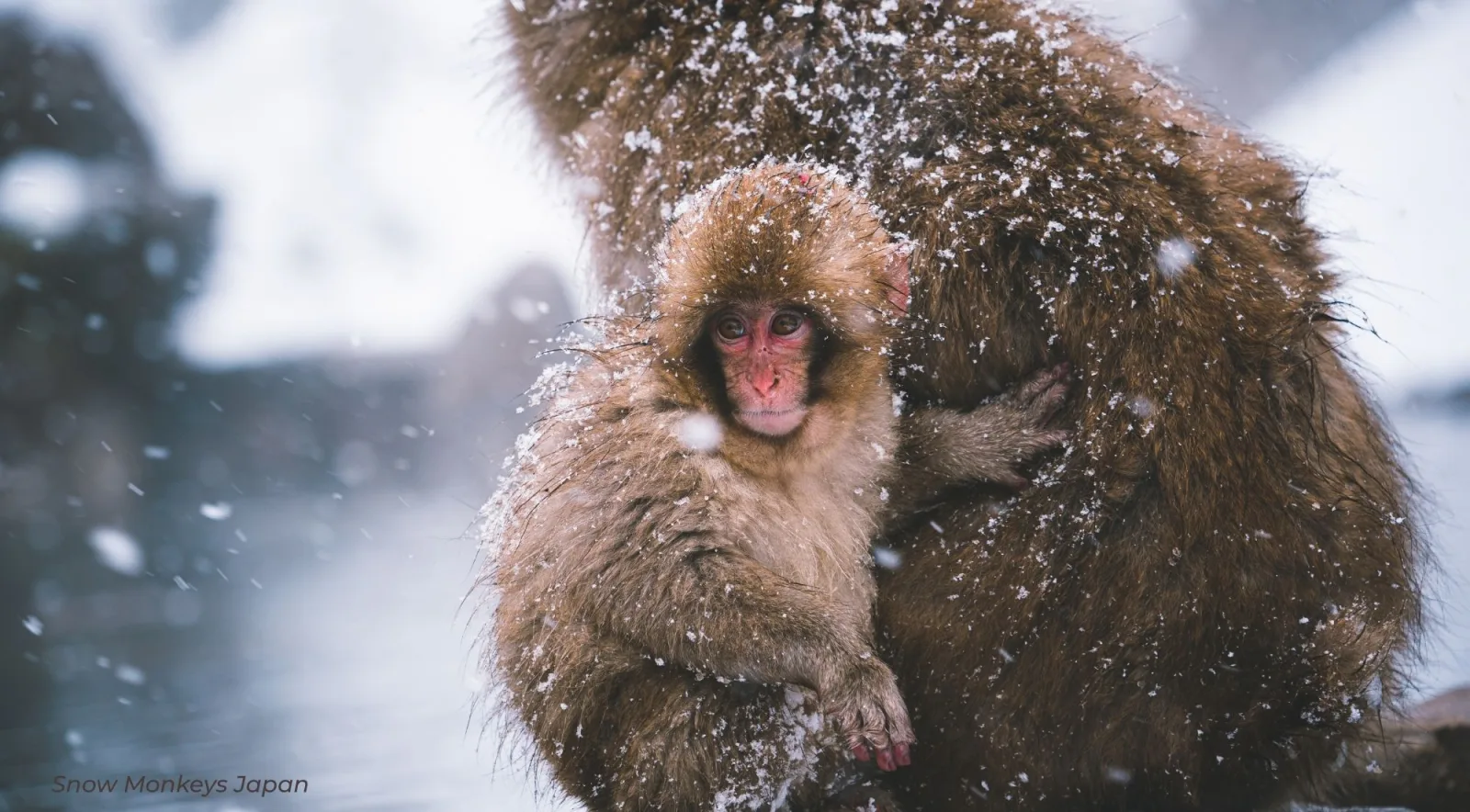
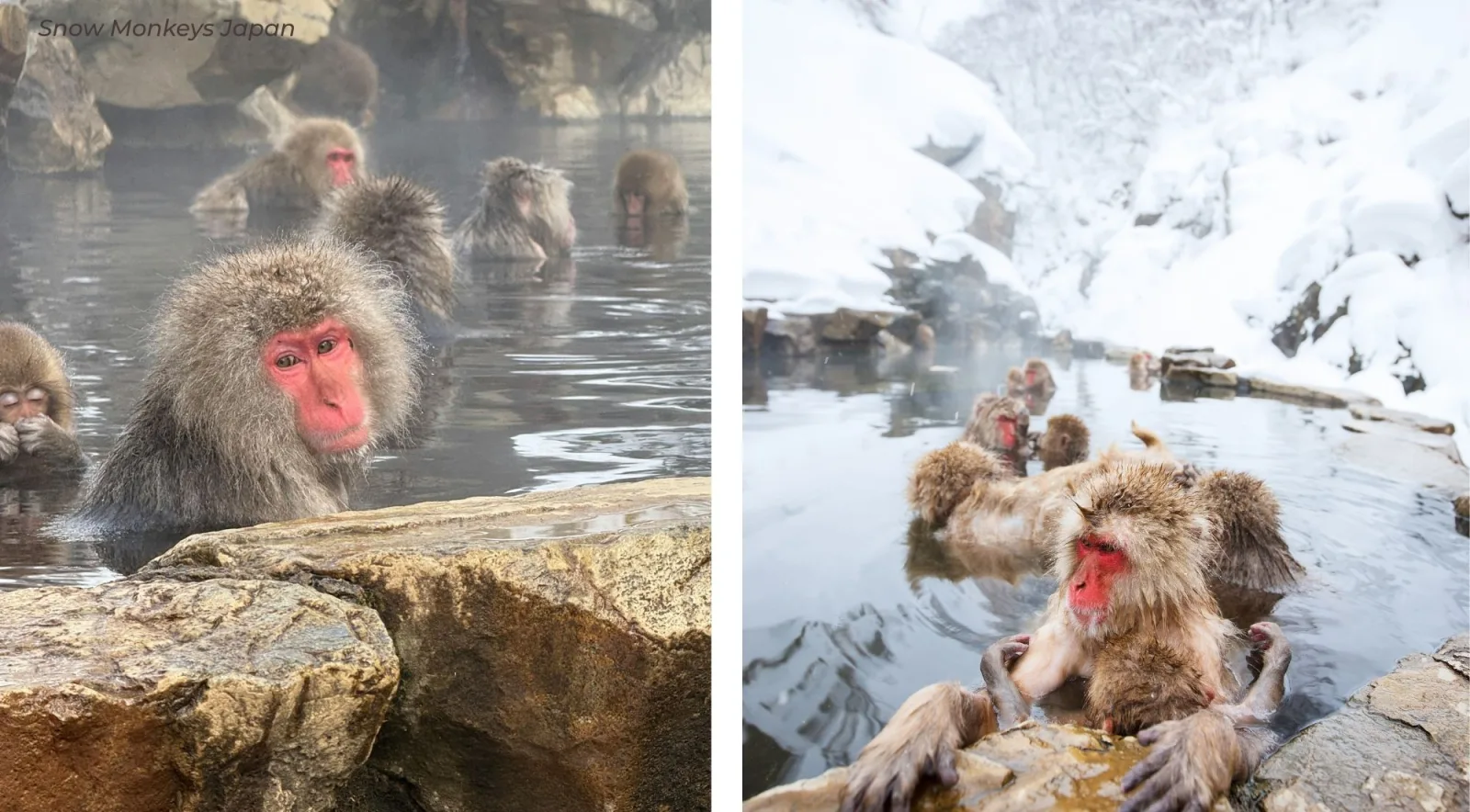
The macaques live in the valley all year and the park never closes, but the bathing is a
response to cold. December through March is the reliable window and January and February
are the peak of it, with snow on the rocks and steam thick enough to see from the trail.
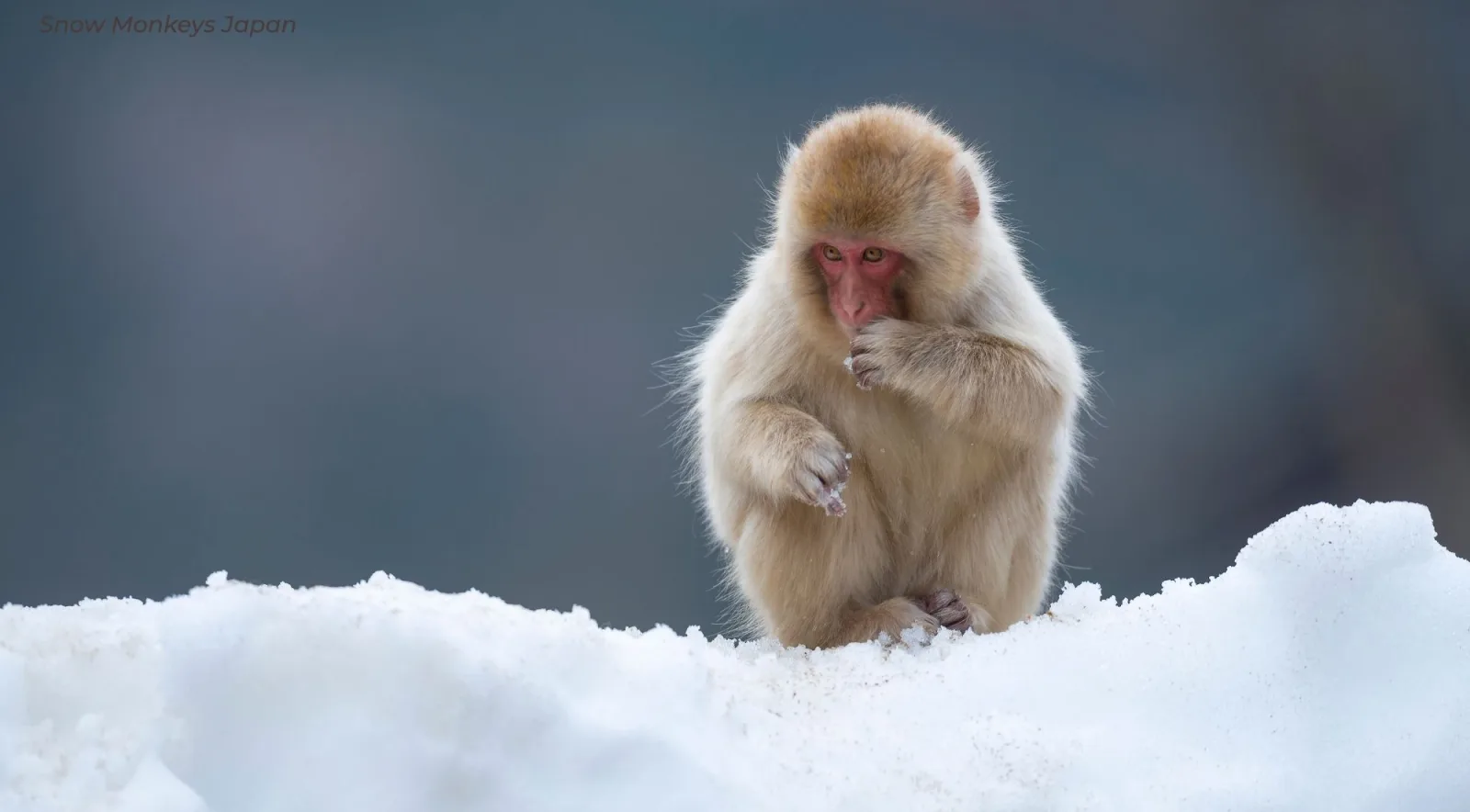
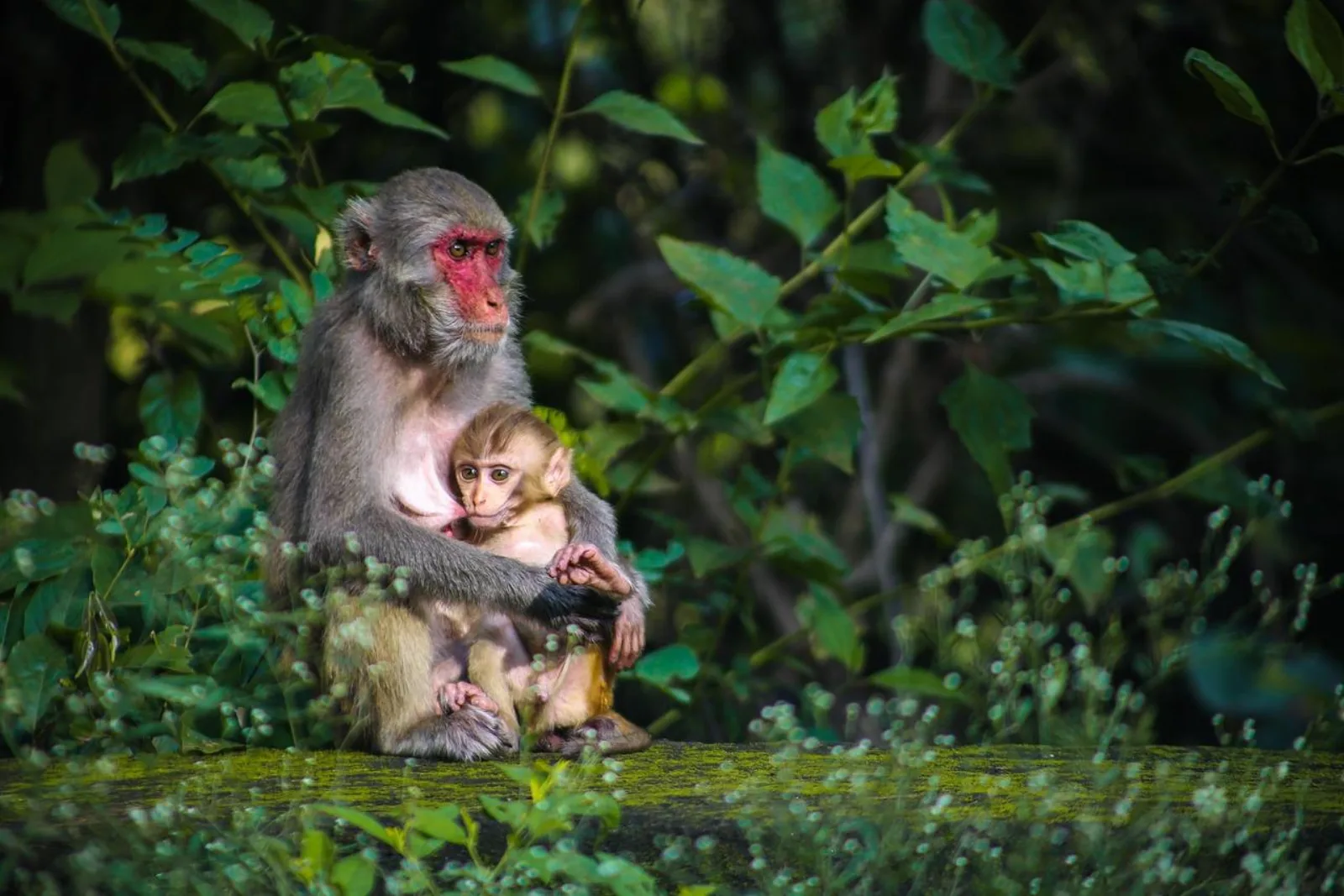
From September to November there is food higher up the mountain, fewer animals come down
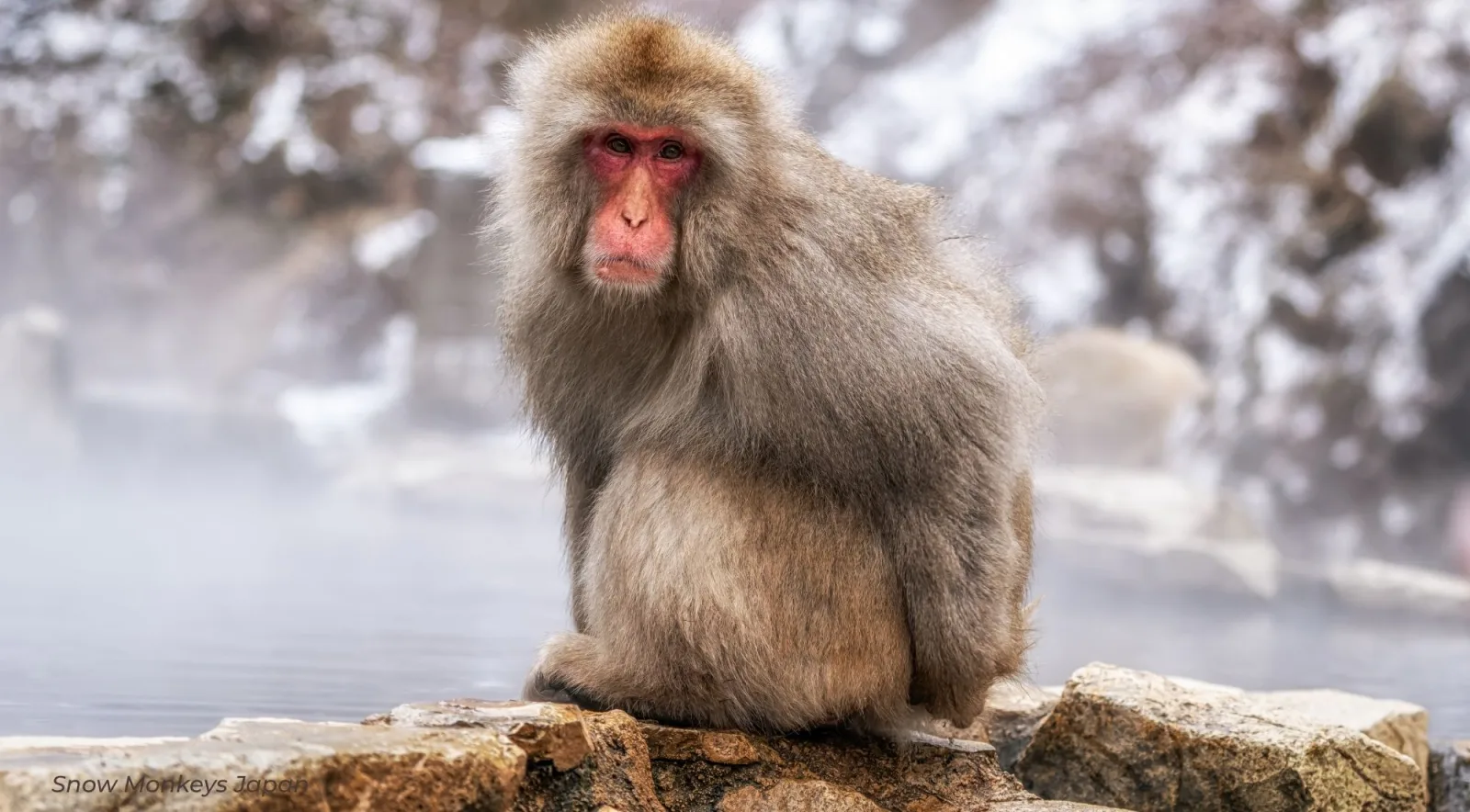
and fewer still get in the pool. A summer visit is a green, quiet, perfectly pleasant walk
to see monkeys sitting on rocks — which is a different trip from the one on the postcard,
and worth choosing deliberately rather than discovering. Our
month-by-month guide sets out what each
season actually looks like.
Read the price basis before you compare anything
This is the one that costs people money. Of the ninety Tokyo departures in our catalogue,
eighty-five are private charters priced per vehicle — usually up to five or six
passengers — and only five are sold per seat. A $443 charter is $443 for the car, which
for a family of four is about $111 each. Ranked against a $102-per-person listing it looks
four times more expensive, and for two people it is; for four it is cheaper.
So the sensible way to choose is by group size. One or two travellers are usually better
served by a per-person tour, or by taking the Hokuriku Shinkansen to Nagano in eighty
minutes and joining a local operator there — which is also the only route on this site
where park admission and lunch come included.
Three or more people, and a private charter wins on
both cost and comfort, and brings the temple stops with it.
Which tour, then
If you want the shortest answer: the most reviewed option from Tokyo is
a per-person private day trip
that gives two hours at the park — the longest stop of any charter here — and carries 218
reviews at 4.9. Travelling as a group of four or more? The
lowest charter fare we compare
works out at about $96 a head. If you want Zenko-ji, one of Japan’s oldest temples, in the
same day, the temple combinations are built for
exactly that and are priced per vehicle. And if you are weighing the whole thing up
against simply taking the train and walking in yourself, that comparison is
worked through properly here,
including what it costs and where the connections get tight.
Whichever you pick, every tour on this site offers free cancellation up to twenty-four
hours before departure, which on a trip this weather-dependent is worth more than it
sounds. Use the comparison guide
if you would rather see them ranked than read about them.