15 Best Day Trips from Tokyo, and Which One Is Worth Your Day
Nikko, Hakone, Kamakura, Mount Fuji and the snow monkeys ranked, with travel times, 2026 fares, the passes that save money and a straight verdict on each.
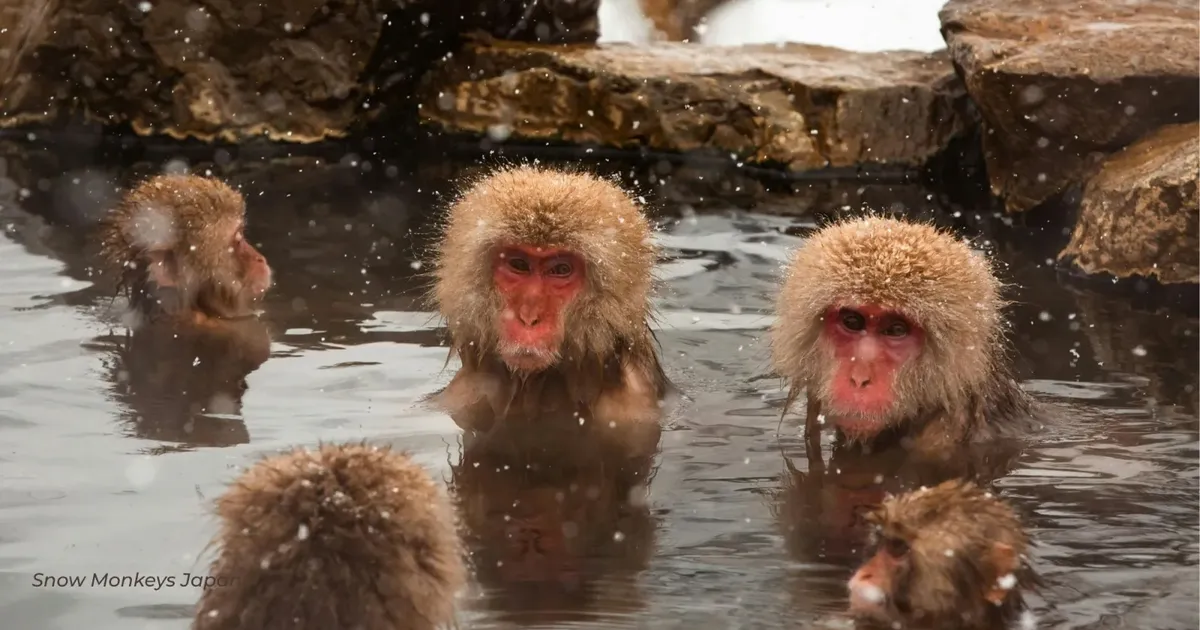
At 7:30 a.m. you’re on a packed platform at Tokyo Station. By 11:30 you’re standing in a snowy gorge in Nagano, watching a wild macaque doze in a steaming pool with snow settling on its head. It is that close. The hard part is choosing. Within two to three hours of Tokyo you can climb about 400 steps to a pagoda framing Mount Fuji, ride a ropeway over a smoking volcanic valley, walk under a wisteria more than 150 years old, or step off a bullet train straight onto a gondola to the ski slopes.
We’ve ranked 15 trips on travel time, cost, crowds and payoff, and checked every fare again on 2 October 2026. Each one gets a fact box, the pass worth buying, a DIY-or-tour call and a straight verdict. A decision guide, a month-by-month calendar and a pass guide follow at the end.
Quick answer (as of 2 October 2026)
- Best overall: Nikko. About 1 h 50 min from Asakusa by Tobu Spacia X (¥3,340 one way). UNESCO shrines plus mountain scenery.
- Best for first-timers: Hakone. The Hakone Freepass costs ¥7,100 for 2 days from Shinjuku (adult) and covers the whole loop by train, cable car, ropeway and boat.
- Best easy day: Kamakura. About 1 hour and ¥1,040 by JR from Tokyo Station.
- Best in winter (Dec–Mar): the Jigokudani snow monkeys with Zenko-ji. It takes about 3–3.5 hours each way door to door. From 1 December 2026, park entry is reported at ¥880 online / ¥1,000 at the gate.
- Passes: the nationwide Japan Rail Pass (¥50,000 for 7 days on the official site) rarely pays off for Tokyo day trips alone. The JR Tokyo Wide Pass (¥16,000, 3 days) is usually better value, but it doesn’t reach Nagano.
Check Availability
How do the 15 day trips compare?
Nikko, Hakone and Kamakura score highest all year round. The snow monkeys win in winter, and the flower parks win only during their short seasons.
Fares are for one adult, one way from central Tokyo, regular season, as of October 2026. Check before you travel. Effort: 1 = easy, 5 = very long day.
| # | Trip | Fastest one way | Approx. one-way cost | Best season | JR Pass? | Effort | Score |
|---|---|---|---|---|---|---|---|
| 1 | Nikko | ~1 h 50 min (Spacia X) | ¥3,340 | Oct–Nov; May–Jun | JR route only; Tobu not covered | 3 | 9.5 |
| 2 | Hakone | ~85–90 min (Romancecar) | Freepass ¥7,100 (return incl.) + ¥1,200 Romancecar | Nov–Feb for Fuji; Nov foliage | To Odawara only | 3 | 9 |
| 3 | Kamakura + Enoshima | ~1 h (JR) | ¥1,040 | Jun hydrangeas; Nov | Yes (not Enoden) | 2 | 9 |
| 4 | Kawaguchiko / Mt Fuji | ~1 h 53 min (Fuji Excursion) | ¥4,200 | Nov–Feb | To Otsuki only | 3 | 8.5 |
| 5 | Snow monkeys + Zenko-ji | ~3–3.5 h door to door | ¥8,450 Shinkansen + ¥2,000–3,000 bus | Dec–Mar | Shinkansen yes; bus/Nagaden no | 5 | 8.5 winter / 6.5 otherwise |
| 6 | Yokohama | ~25–30 min | ~¥530 (JR from Tokyo) | Year-round; rainy days | Yes | 1 | 7.5 |
| 7 | Kawagoe | ~30 min (Tobu) | ¥490 | Year-round; Oct festival | No (JR route slower) | 1 | 7.5 |
| 8 | Mount Takao | ~50 min (Keio) | ¥430 | Nov foliage; spring | No (JR part-way) | 2 | 8 |
| 9 | Karuizawa | 64–80 min (Shinkansen) | ~¥6,020 | Oct foliage; summer | Yes | 2 | 7 |
| 10 | Chichibu / Nagatoro | ~77 min (Laview) | ~¥1,700 | Apr–May; Dec festival | No | 3 | 7 |
| 11 | Hitachi Seaside Park | ~85 min + 15 min bus | ~¥4,000 + bus (check) | Late Apr; Oct | Yes | 3 | 8 in season |
| 12 | Ashikaga Flower Park | ~2 h (JR local) | ~¥2,000 | Late Apr–May; Oct–Feb lights | JR route yes | 3 | 8 in season |
| 13 | Kusatsu Onsen | ~3–3.5 h | ~¥6,260 (train + bus) | Dec–Feb; autumn | Train yes | 5 | 6.5 as a day trip |
| 14 | GALA Yuzawa (ski) | ~75–90 min | ~¥7,000 | Mid-Dec–early May | Yes | 3 | 8 in winter |
| 15 | Atami | ~35–50 min (Shinkansen) | ~¥4,650 reserved | Feb plum; summer sea | Yes (Hikari/Kodama) | 2 | 6.5 |
1. Nikko: the best overall day trip from Tokyo
Nikko gives you the most for one day: gilded World Heritage shrines in a cedar forest, waterfalls and a lake above town, all under two hours from Asakusa.
Nikko fact box
- Time: about 1 h 50 min, Asakusa → Tobu-Nikko on the Spacia X
- Cost: ¥1,400 fare + ¥1,940 standard-seat limited express charge = ¥3,340 one way. Slower trains need only the base fare.
- Pass: NIKKO PASS World Heritage Area ¥3,000 (adult, 1–2 days); All Area ¥8,000 (1–4 days). Limited express charges and shrine entry are extra.
- JR Pass: only on the JR route (Shinkansen to Utsunomiya, then the JR Nikko Line). Tobu trains aren’t covered.
- Best season: mid-October to November for foliage (higher ground first); late spring
Why go? Toshogu, Rinno-ji and Futarasan make up the most ornate shrine complex in eastern Japan, and Toshogu’s carved Yomeimon gate is about as close to Baroque as Japan gets. Add Kegon Falls and Lake Chuzenji up the Irohazaka switchbacks and you get culture and nature in one day.
Don’t miss Shinkyo Bridge and the stone Jizo statues of Kanmangafuchi Abyss. The World Heritage Area pass covers the Asakusa round trip plus the shrine-area buses. Only buy the All Area pass for Lake Chuzenji and Oku-Nikko. On October weekends the road up to the lake jams badly, so go on a weekday.
DIY or tour? DIY. The trains are direct and the shrine area is walkable.
Verdict: the most complete day trip from Tokyo. 9.5/10.
2. Hakone: best for first-timers
Hakone is the easiest “big” day trip. One pass covers a loop by mountain railway, cable car, ropeway and lake boat, and if the clouds clear you’ll see Fuji.
Hakone fact box
- Time: about 85–90 min, Shinjuku → Hakone-Yumoto on the Odakyu Romancecar
- Hakone Freepass (from Shinjuku): ¥7,100 for 2 days / ¥7,500 for 3 days (adult); children ¥1,600 / ¥1,850. Price since 1 October 2025 (was ¥6,100). GetYourGuide sells it as a voucher you exchange at Shinjuku Station (4.4/5 from more than 180 reviews).
- Romancecar: +¥1,200 each way (adult)
- JR Pass: Shinkansen to Odawara only; nothing inside Hakone
- Best season: November–February for Fuji views; November for foliage; June hydrangeas on the Tozan railway
Why go? The Hakone Round Course is the best-packaged transport day in Japan. You ride the switchback Tozan railway, the cable car, the ropeway over the sulphur vents of Owakudani, then a mock pirate ship across Lake Ashi. Add the Open-Air Museum or a day-use bath in Hakone-Yumoto. Weekend afternoons bring long queues, so start early.
Winter heads-up: the Hakone Ropeway closes sections for maintenance most winters and runs substitute buses (in 2025–26: 8–19 December, then mid-January to 20 February). The 2026–27 dates haven’t been announced, so check Hakone Navi. The ropeway also stops in strong winds and when volcanic gas levels rise.
DIY or tour? DIY. The Freepass does the work.
Verdict: the best “first day trip” in Japan. Stay a night in a ryokan if you can. 9/10.
3. Kamakura and Enoshima: best value for the time
Kamakura is the closest thing to Kyoto within an hour of Tokyo: a giant bronze Buddha, Zen temples in wooded valleys, and a retro seaside train out to Enoshima island.
Kamakura fact box
- Time: about 1 h, Tokyo Station → Kamakura (JR Yokosuka Line); similar from Shinjuku on the Shonan-Shinjuku Line
- Cost: ¥1,040 one way from Tokyo Station (JR East fare since 14 March 2026, was ¥950)
- Pass: Odakyu Enoshima-Kamakura Freepass ¥1,640 from Shinjuku (1 day, adult; unlimited Enoden + Odakyu local trains in the area). The Romancecar costs +¥750 one way.
- JR Pass: yes to Kamakura; the Enoden isn’t covered
- Best season: June hydrangeas; late November foliage; spring
Why go? Kamakura was Japan’s medieval capital. You can walk from the Great Buddha at Kotoku-in to Hase-dera’s sea views and the Zen temples of Kita-Kamakura, then ride the Enoden to Enoshima’s shrine and Iwaya caves.
Crowd warning: Kamakura is an overtourism hotspot. Crowds at the Slam Dunk level crossing at Kamakura-Kokomae spill into the road, and in October 2025 the city launched a crowdfunding appeal for guards and signage there (Tokyo Weekender). Stay on the pavement, and walk between Hase and Kamakura when the Enoden is packed.
Is there a Kamakura tourist tax? Not for day-trippers. There’s no ¥150 visitor tax. What has been reported (FN News, August 2026) is a planned ¥300 per person per night lodging tax from October 2027, charged on overnight stays only.
Verdict: the best value-for-time day trip from Tokyo. Go on a weekday. 9/10.
4. Kawaguchiko and Mt Fuji: best for Fuji views
For the classic Fuji postcard, Kawaguchiko is the place. Go on a clear winter morning, because summer haze hides the mountain most days.
Kawaguchiko fact box
- Time: about 1 h 53 min, Shinjuku → Kawaguchiko on the direct Limited Express Fuji Excursion
- Cost: ¥4,200 one way (¥2,580 fare + ¥1,620 limited express charge; fares as of 14 March 2026). Highway buses from Shinjuku are cheaper.
- JR Pass: covers Shinjuku–Otsuki only. Pay separately for the Fujikyu section to Kawaguchiko.
- Best season: November–February (clearest mornings); late March–mid April for cherry blossom (crowded)
Why go? From Kawaguchiko Station, buses reach Lake Kawaguchi’s north shore, Oishi Park, the Kachi Kachi Ropeway and the Chureito Pagoda at Arakurayama Sengen Park, which you reach by about 400 steps.
What’s changed? Fujiyoshida cancelled the 2026 cherry blossom festival at Chureito over overtourism (Euronews), though the park stayed open. Climbers paid a ¥4,000 trail fee in summer 2026, but that doesn’t apply to 5th Station sightseeing: just pay the bus (¥2,000 one way / ¥3,400 return from Kawaguchiko).
DIY or tour? This is the trip where a tour most often makes sense. A Kawaguchiko plus 5th Station bus tour saves slow local-bus queues. The most reviewed on GetYourGuide is the Mount Fuji full-day highlights trip from Tokyo, which includes the 5th Station and Lake Kawaguchi (4.5/5 from more than 5,300 reviews). Pick free cancellation and check the forecast. Go DIY for sunrise at Chureito.
Verdict: breathtaking on a clear winter morning, frustrating in summer cloud. 8.5/10.
5. Snow monkeys + Zenko-ji: the best winter day trip from Tokyo
From December to March nothing on this list beats wild macaques soaking in a steaming mountain pool, with one of Japan’s great temples on the way home. It’s a long day, though.
Snow monkeys fact box (as of October 2026; check before you travel)
- Time: Tokyo → Nagano by Hokuriku Shinkansen from about 80 min, then the express bus (about 45 min) or Nagaden train + local bus, then a forest walk of about 1.6–2 km, 30–40 min each way (allow longer on snow). Total: about 3–3.5 hours door to door each way.
- Shinkansen: ¥8,450 reserved one way, regular season (¥8,250 as an Eki-net e-ticket)
- Nagano → park: Nagaden express bus ¥3,000 in winter / ¥2,000 the rest of the year (one way, adults). The winter season runs 5 December 2026–5 April 2027. Or take the Nagaden train to Yudanaka (¥1,760 with the limited express) plus the local bus (¥390).
- Park entry: ¥800 adult until 30 November 2026. From 1 December 2026 the park charges ¥880 for an online (Webket) ticket or ¥1,000 at the gate (children ¥440 / ¥500), according to the park’s 20 September 2026 notice as reported by japan-guide. Check the official site before you go.
- JR Pass: covers the Shinkansen (including Kagayaki), but not Nagaden trains or buses. The JR Tokyo Wide Pass doesn’t reach Nagano.
- Best odds of snow: late December–February
Is the snow monkey day trip worth it? In winter, yes, if you leave Tokyo by about 7:30 a.m. Do the sums first: hotel to Tokyo Station (20 min) + Shinkansen (80) + connection (15) + bus (45) + walk (35) comes to about 3 h 15 min each way. That’s 6+ hours of travel for 1–2 hours with the monkeys. The macaques are there all year, but without snow the scene is charming rather than spectacular, which is why the score drops to 6.5 from April to November. They’re wild, so bathing is never guaranteed. Your best odds are cold January and February days (best time to see the snow monkeys). Why they get in the water at all is its own story: see why snow monkeys bathe.
What’s new for winter 2026–27?
- Online tickets come first. From December to April web-ticket holders get priority entry, and visitors without a ticket may be refused on crowded days. Dated tickets go on sale about 3 months ahead; our Jigokudani park guide walks through buying one.
- Use the dedicated bus. This winter the Shiga Kogen express bus won’t stop at the Snow Monkey Park (Snow Monkey Resorts, 28 September 2026). Take the Snow Monkey Park express bus from Nagano Station East Exit, stop 23/24. Buy your ticket before boarding at the Aruyo ticket office (East Exit, 1F) or online, and don’t count on paying cash on the bus.
- The Eki-net Tokudane discounts have ended. The only remaining deal is Tokudane Special 28 (50% off), on weekdays 7–17 December 2026 (sales close 28 days ahead, so the 14–27 October window can no longer be booked), with limited seats.
The Zenko-ji combo: Zenko-ji is about 30 minutes’ walk from Nagano Station, and the grounds are free. Inner sanctuary + Okaidan costs ¥800, or ¥1,500 for the set ticket. From December to February the inner sanctuary closes at 16:00, so see the monkeys first.
Crowd warning: January–February weekends are busiest. AFP reported in June 2026 that the park was considering a cap of about 2,000 visitors a day. The park itself has not announced a number. Early mornings are quietest, which is a good reason to stay a night in Shibu or Yudanaka Onsen.
Disclosure: some links on this page are GetYourGuide affiliate links. If you book through them we may earn a commission at no extra cost to you.
DIY or tour? A coin flip. With a JR Pass, DIY is cheap (our step-by-step route from Tokyo). A guided bullet-train tour or a private driver earns its price if you have no pass or don’t want to juggle winter connections. The most reviewed private option is the Tokyo private Snow Monkey Park and Nagano day trip (from $102 per person, 4.9/5 from more than 200 reviews). Pick free cancellation, because heavy snow can disrupt buses. We compare the GetYourGuide options in which snow monkey tour from Tokyo is right for you.
Verdict: the standout winter bucket-list trip from Tokyo, as long as you accept the long day. 8.5/10 December–March.
6. Yokohama: best rainy-day or low-energy trip
Yokohama is a 30-minute hop for Chinatown, ramen and museums and a waterfront that glows at night. It’s the trip for jet-lagged days and bad weather.
Yokohama fact box
- Time: about 25–30 min from Tokyo, Shinagawa or Shibuya
- Cost: ¥530 one way by JR from Tokyo Station (since 14 March 2026); the Tokyu Toyoko Line runs from Shibuya
- JR Pass: yes on JR lines
Verdict: not a “wow” trip, but excellent value when the weather or your energy is low. DIY, no question. 7.5/10.
7. Kawagoe: best easy half day
“Little Edo” packs clay-walled merchant houses, a wooden bell tower and sweet-potato everything into a stroll about 30 minutes from Ikebukuro.
Kawagoe fact box
- Time: about 30 min, Ikebukuro → Kawagoe (Tobu Tojo Line express)
- Cost: ¥490 one way. The Tobu Kawagoe Discount Pass costs ¥710 for the round trip, or ¥1,050 for the premium version with local buses (both for foreign visitors only, per japan-guide).
- JR Pass: the JR route via Omiya works but takes about 55 min
Don’t miss Kashiya Yokocho candy alley and Kitain Temple. Weekend afternoons are shoulder to shoulder, so come on a weekday morning.
Verdict: small but charming, and perfect for an arrival or departure day. 7.5/10.
8. Mount Takao: best for hikers and budgets
For ¥430 you get a forested sacred mountain with a temple, a cable car and, on clear days, Fuji from the summit.
Mount Takao fact box
- Time: about 50 min, Shinjuku → Takaosanguchi by Keio limited express
- Cost: ¥430 one way. Cable car or chairlift ¥490 one way.
- JR Pass: JR Chuo Line to Takao (about 40 min), then one stop on Keio (¥140)
- Best season: mid–late November foliage; spring; clear winter days for Fuji
Hike Trail 1 past Yakuo-in temple to the 599 m summit, take the cable car one way, and soak at the onsen by the station afterwards. November weekends bring long cable car queues.
Verdict: the best cost-to-joy ratio on the list. DIY. 8/10.
9. Karuizawa: best cool-air escape by bullet train
Karuizawa is a leafy mountain resort town about an hour away by Shinkansen. Come for forests, chapels and outlet shopping, and for summer air that’s noticeably cooler than Tokyo’s.
Karuizawa fact box
- Time: 64–80 min, Tokyo → Karuizawa (Hokuriku Shinkansen Asama or Hakutaka; the Kagayaki doesn’t stop here)
- Cost: about ¥6,020 reserved one way (Ekitan, April 2026)
- JR Pass: yes; the JR Tokyo Wide Pass is valid too
Verdict: pleasant, not essential. It’s also an easy stop on the way to Nagano. 7/10.
10. Chichibu and Nagatoro: best nature without the crowds
Chichibu offers mountain shrines, river boats through rock gorges and spring flower carpets, reached on Seibu’s sleek Laview train.
Chichibu fact box
- Time: about 77 min, Ikebukuro → Seibu-Chichibu by Limited Express Laview (all seats reserved); 100–120 min on slower trains
- Cost: about ¥1,700 one way (Seibu fare + ¥900 limited express charge); check before you travel
- JR Pass: no
- Best season: mid-April–May (Hitsujiyama Park’s shibazakura moss phlox); summer river boats; Chichibu Night Festival on 2–3 December
The Nagatoro river boats are on the separate Chichibu Railway, so check connections.
Verdict: underrated and uncrowded on weekdays. 7/10.
11. Hitachi Seaside Park: best seasonal spectacle
For two short windows a year, a whole hill turns sky blue (nemophila, late April) or fiery red (kochia, October). Outside those windows, skip it.
Hitachi Seaside Park fact box
- Time: about 85 min, Tokyo → Katsuta by JR Limited Express Hitachi or Tokiwa, then about 15 min by Ibaraki Kotsu bus from the East Exit, stop 2
- Cost: around ¥4,000 one way by limited express (check before you travel), plus the bus
- Entry: ¥450 adult; seniors (65+) ¥210; junior-high age and under free. A seasonal surcharge applies in April, May and October: during the Kochia Carnival (9 October–3 November 2026) it’s ¥800 adult.
- Hours: 9:30–17:00 (to 16:30 from November to February). Closed on Tuesdays (or the next weekday if Tuesday is a holiday) and over New Year.
- JR Pass: yes; the JR Tokyo Wide Pass is valid too
Kochia is usually reddest in mid- to late October, and nemophila peaks from mid-April to early May. Arrive at opening on a weekday.
Verdict: unmissable in its fortnight, skippable otherwise. 8/10 in season.
12. Ashikaga Flower Park: best for wisteria and winter lights
Ashikaga has a great wisteria whose canopy spreads over a vast trellis, and one of Japan’s biggest winter illuminations, with over 5 million lights.
Ashikaga fact box
- Time and cost: about 2 h and ¥2,000 by JR local trains (Utsunomiya or Shonan-Shinjuku Line to Oyama, then the Ryomo Line to Ashikaga Flower Park Station, right by the park). It’s about 80 min and ¥4,000–4,500 if you take the Shinkansen to Oyama. Tobu’s limited express from Asakusa to Ashikagashi takes about 70 min (¥2,050), but then you need a taxi.
- Illumination 2026–27: 17 October 2026–14 February 2027, from 15:30 (lights on around 16:30–17:00). Adult ¥1,500, child ¥800. Closed 31 December.
- Wisteria season: usually mid-April to mid-May. Day entry rises and falls with the bloom (roughly ¥500–2,200 per japan-guide), so the price is a handy bloom gauge.
- JR Pass: yes on the JR route
Verdict: world-class in its two seasons. 8/10 in season.
13. Kusatsu Onsen: best onsen town (but stay the night)
Kusatsu is Japan’s most famous hot-spring town, built around a steaming yubatake channel of sulphur water. At 3–3.5 hours each way, it’s not a comfortable day trip.
Kusatsu fact box
- Time: about 2.5 h, Ueno → Naganohara-Kusatsuguchi by limited express, + 30 min JR bus. Via Karuizawa (Shinkansen + bus) takes about 3 h; highway buses from Shinjuku take about 4 h.
- Cost: ¥5,480 train + ¥780 bus = about ¥6,260 one way (japan-guide)
- JR Pass: the train is covered; the JR bus is covered by some passes but not all
- Best season: December–February for snowy outdoor baths; autumn
Can you do Kusatsu as a day trip? Technically, but with 6–7 hours of travel you’d spend more time on trains than in the water. Stay overnight, then see the yumomi water-paddling show and soak at the Sainokawara open-air bath.
Verdict: 9/10 as an overnight, 6.5/10 as a day trip.
14. GALA Yuzawa: best ski day trip
You get off the bullet train, walk to the rental counter, and the gondola leaves from the station building. It’s the easiest snow day from any capital city.
GALA Yuzawa fact box
- Time: about 75–90 min, Tokyo → GALA Yuzawa (Joetsu Shinkansen; direct trains run in winter, otherwise change at Echigo-Yuzawa)
- Cost: about ¥7,000 reserved one way (NAVITIME gave about ¥14,040 round trip in July 2026)
- Lift pass: ¥7,300 for a full day in 2025–26 (japan-guide). 2026–27 prices are not yet published.
- Season: usually mid-December to early May (2025–26: 20 December–6 May)
- JR Pass: yes; the JR Tokyo Wide Pass is valid too
Heads-up for 2026–27: Japanese ski-news site Tabiris reported (15 September 2026) that GALA will suspend its South Area this season, including the link towards Yuzawa Kogen. We couldn’t find the notice on GALA’s own site, so check before you book. The gondola stops in strong winds.
Verdict: a brilliant first snow day for families and casual skiers. 8/10 in winter.
15. Atami: best easy seaside onsen day
Atami is a retro hot-spring resort on Sagami Bay, just 35–50 minutes by Shinkansen. Plum and early cherry blossom arrive in February, and it’s a calm alternative when Hakone is overrun.
Atami fact box
- Time: about 35–40 min by Tokaido Shinkansen Hikari (only some stop here), 45–50 min by Kodama; about 1 h 30–40 min by JR Tokaido Line local trains
- Cost: about ¥4,650 reserved / ¥3,760 non-reserved one way by Shinkansen (Ekitan, April 2026); much cheaper on the local line
- JR Pass: yes on Hikari and Kodama
- Best season: February (Atami Baien plum garden); summer beaches and fireworks
Visit the MOA Museum of Art, Kinomiya Shrine’s giant camphor tree and a day-use onsen.
Verdict: easy and relaxed, if a little faded. DIY. 6.5/10.
Which trip is right for you?
If you only have one day, pick Nikko or Hakone. In December–March, pick the snow monkeys if you can leave by 7:30 a.m. and accept roughly 6–7 hours of round-trip travel.
- Families: Yokohama, Hitachi Seaside Park (free for kids), Mount Takao, GALA Yuzawa in winter.
- Photographers: Kawaguchiko at a winter dawn; Hitachi in late April or October; snow monkeys in January.
- Onsen lovers: Hakone for a day; Kusatsu or Shibu Onsen overnight.
- Rainy days: Yokohama or Kawagoe.
- JR Pass holders: Nagano, Karuizawa, GALA Yuzawa and Hitachi are where the pass earns its keep.
What’s the best day trip from Tokyo in each month?
Winter is for snow monkeys, skiing and clear Fuji views. Spring and autumn belong to the flower parks and foliage. Summer pushes you up into the cool highlands.
| Month | Best day trips | Why |
|---|---|---|
| January | Snow monkeys, Kawaguchiko, GALA Yuzawa | Deep snow at Jigokudani; clearest Fuji; peak ski season |
| February | Snow monkeys, Atami, Ashikaga lights (to 14 Feb) | Still snowy in Nagano; plum blossom on the coast |
| March | Kamakura, Kawaguchiko, late-season snow monkeys | Early blossoms; less snow at the pool |
| April | Hitachi (nemophila), Ashikaga (wisteria), Chureito (cherry, crowded) | Japan’s flower month |
| May | Ashikaga, Chichibu, Nikko | Fresh green; avoid Golden Week (29 Apr–5 May) |
| June | Kamakura and Hakone (hydrangeas) | Rainy season, but the flowers love it |
| July | Karuizawa, Nikko, Mt Fuji climb | Cool highlands; Fuji views usually poor |
| August | Karuizawa, Yokohama, Enoshima | Escape the heat; typhoon risk begins |
| September | Yokohama, Kawagoe | Peak typhoon season; keep plans flexible |
| October | Nikko, Hitachi (kochia), Karuizawa | Autumn colour starts in the mountains; Ashikaga lights from 17 Oct |
| November | Mount Takao, Hakone, Kamakura, Nikko town | Peak foliage near Tokyo; Fuji views return |
| December | Snow monkeys (from late Dec), GALA Yuzawa, Chichibu Night Festival (2–3 Dec), Ashikaga lights | New Jigokudani prices and web-ticket priority from 1 Dec |
The snow-capped monkey shot needs snow on the valley floor, which realistically means late December to February.
Is the JR Pass worth it for day trips from Tokyo?
Usually not on its own. Most Tokyo day trips run on cheap private railways the JR Pass doesn’t cover. Regional passes are better value.
| Pass | Price (adult) | Good for | Not good for |
|---|---|---|---|
| Japan Rail Pass (nationwide) | 7 days ¥50,000 on the official site; ¥53,000 via overseas agents from 1 Oct 2026 | Combining day trips with Kyoto/Osaka/Hiroshima | Tobu, Odakyu, Keio, Seibu trips |
| JR EAST PASS (new from 2026) | 5 days ¥35,000 / 10 days ¥50,000 | Nagano (snow monkeys), Karuizawa, GALA Yuzawa, Nikko via JR, and further into Tohoku | Nagaden trains and buses |
| JR Tokyo Wide Pass | ¥16,000, 3 days (was ¥15,000 before 14 Mar 2026) | Karuizawa, GALA Yuzawa, Hitachi, Ashikaga, Kawaguchiko | Nagano (coverage ends at Sakudaira) |
| NIKKO PASS World Heritage Area | ¥3,000 | Nikko | Limited express charges |
| Hakone Freepass | ¥7,100 (2 days, from Shinjuku) | Hakone loop | Romancecar charge |
| Enoshima-Kamakura Freepass | ¥1,640 (from Shinjuku) | Enoden hopping | JR routes |
GetYourGuide also sells the Japan Rail Pass (4.7/5 from more than 600 reviews). Compare its price with the official site’s before you buy.
What about Nagaden’s Snow Monkey Passes? These cover Nagaden transport plus one park entry. They aren’t sold in October–November. Winter 2026–27 prices have not yet been announced. Last winter’s were ¥5,100 (train version) and ¥6,800 (express bus version).
Other tips: book reserved seats (Spacia X, Romancecar, Fuji Excursion, Laview, Kagayaki) ahead for weekends. Leave before 8 a.m. for Fuji, Nikko foliage and the snow monkeys. Ropeways, the GALA gondola and mountain buses stop in strong winds, so check operator sites the night before. Japan’s departure tax rose to ¥3,000 on 1 July 2026 (air tickets issued before then keep the ¥1,000 rate). It’s built into your airfare.
Frequently asked questions
What is the best day trip from Tokyo?
Nikko, for UNESCO shrines and mountain scenery about 1 h 50 min away by Tobu Spacia X (¥3,340 one way). Hakone is a close second and the best choice for first-timers.
What is the best day trip from Tokyo in winter?
The Jigokudani snow monkeys via Nagano, from late December to February. Allow about 3–3.5 hours each way. GALA Yuzawa (skiing) and Kawaguchiko (clearest Fuji) are the other winter standouts.
Can you see the snow monkeys on a day trip from Tokyo?
Yes. Take an early Hokuriku Shinkansen to Nagano (from about 80 min), then the Snow Monkey Park express bus or the Nagaden train plus a local bus, then walk about 30–40 minutes. Expect a 12–14-hour day. A night in Shibu or Yudanaka Onsen is more relaxed.
How much is the Snow Monkey Park in 2026–27?
¥800 for adults until 30 November 2026. From 1 December 2026 it’s reported at ¥880 online or ¥1,000 at the gate (children ¥440 / ¥500). Check the official site before you go.
Do I need to book the snow monkeys in advance?
In winter, yes. From December to April web-ticket holders get priority entry, and visitors without a ticket may be refused on crowded days. Tickets go on sale about 3 months ahead.
Is the JR Pass worth it for day trips from Tokyo?
Rarely on its own. The Japan Rail Pass is ¥50,000 for 7 days on the official site, and many day trips use private railways it doesn’t cover. The 3-day JR Tokyo Wide Pass (¥16,000) is usually better, but it doesn’t reach Nagano.
When is Mount Fuji most visible?
On winter mornings from November to February. In summer, cloud and haze hide it most days.
Is there a tourist tax in Kamakura?
Not for day-trippers. A ¥300 per person per night lodging tax has been reported for October 2027, and it applies to overnight stays only.
What is the easiest half-day trip from Tokyo?
Kawagoe (about 30 min from Ikebukuro, ¥490) or Mount Takao (about 50 min from Shinjuku, ¥430).
What is the best onsen day trip from Tokyo?
Hakone, about 85 minutes by Romancecar. Atami is the easy alternative. Kusatsu is Japan’s most famous onsen town, but it’s 3–3.5 hours away, so stay overnight.
Is Kamakura too crowded?
At weekends, often yes, especially on the Enoden and at the Slam Dunk crossing. Go on a weekday, start early, and walk between Hase and Kamakura.
Practical info
Verified 2 October 2026
- Nikko: Spacia X ¥3,340 one way (Asakusa); NIKKO PASS World Heritage Area ¥3,000
- Hakone: Freepass ¥7,100 (2 days) from Shinjuku; Romancecar +¥1,200; 2026–27 ropeway closures not yet announced
- Kamakura: ¥1,040 JR from Tokyo; Enoshima-Kamakura Freepass ¥1,640 from Shinjuku
- Kawaguchiko: Fuji Excursion ¥4,200 from Shinjuku
- Snow monkeys: Shinkansen ¥8,450 reserved (¥8,250 e-ticket); express bus ¥3,000 winter / ¥2,000 otherwise; park ¥800 until 30 Nov 2026, then a reported ¥880 online / ¥1,000 gate; hours Nov–Mar 9:00–16:00, Apr–Oct 8:30–17:00 (park hours and fees re-checked on the official site 6 October 2026)
- Hitachi Seaside Park: ¥450 (¥800 9 Oct–3 Nov 2026); closed on Tuesdays outside peak periods
- Ashikaga illumination: 17 Oct 2026–14 Feb 2027, ¥1,500 adult
- Passes: JR Pass ¥50,000 (official site) / ¥53,000 (overseas agents); JR Tokyo Wide Pass ¥16,000; JR EAST PASS ¥35,000 (5 days)
- All prices are adult and one way unless stated (as of October 2026; check before you travel).
Sources
- Ekitan: SPACIA X timetable and fares
- Tobu Railway: NIKKO PASS
- Odakyu: Hakone Freepass
- japan-guide: Hakone Ropeway
- Odakyu: Enoshima-Kamakura Freepass
- Watabi: JR East fare revision 2026
- FN News: Kamakura lodging tax (Aug 2026)
- Tokyo Weekender: Overtourism in Kamakura
- Ekitan: Fuji Excursion timetable and fares
- japan-guide: Climbing Mount Fuji
- Euronews: Mount Fuji cherry blossom festival cancelled
- Jigokudani Yaen-koen (official)
- japan-guide: Jigokudani Monkey Park
- Snow Monkey Resorts: Shiga Kogen express bus timetable
- Snow Monkey Resorts: Nagaden express bus
- JR East: Eki-net discount changes (press, 7 Aug 2026)
- Zenko-ji: Visiting fees
- japan-guide: Kawagoe access
- japan-guide: Mount Takao access
- Ekitan: Tokyo to Karuizawa
- japan-guide: Karuizawa access
- Mileasia: Tokyo to Chichibu
- Hitachi Seaside Park: Hours and admission
- Hitachi Seaside Park: Access
- Have a Good Holiday: Kochia Carnival 2026
- japan-guide: Ashikaga Flower Park
- Ashikaga Flower Park: Flower Fantasy 2026–27
- japan-guide: Kusatsu Onsen access
- japan-guide: GALA Yuzawa
- Tabiris: GALA Yuzawa South Area 2026–27
- Ekitan: Tokyo to Atami
- JR Central: Japan Rail Pass prices (PDF)
- JR East: JR EAST PASS and regional passes (PDF)
See the Snow Monkeys — and Be Back in Tokyo by Evening
A private vehicle both ways, a 30-minute forest walk in, and unhurried time at the hot spring. Rated 4.9/5 by 220 guests. Free cancellation up to 24 hours before.
Check Availability & Book