Best Onsen Near Tokyo: Day Trips, Private Baths and the Snow Monkey Valley
Real hot springs in Tokyo, 24-hour spas, bookable private baths and onsen trips to Hakone, Kusatsu and the snow monkeys' valley. Prices checked October 2026.
Tokyo has more hot water underground than most visitors expect. A natural spring rises from 1,700 metres beneath Tokyo Dome. A luxury ryokan in the Otemachi business district pipes amber, iodine-rich water up to its top-floor bath. And every day, tanker trucks bring spring water from Hakone and Yugawara to a 24-hour bathhouse next to the Toyosu fish market.
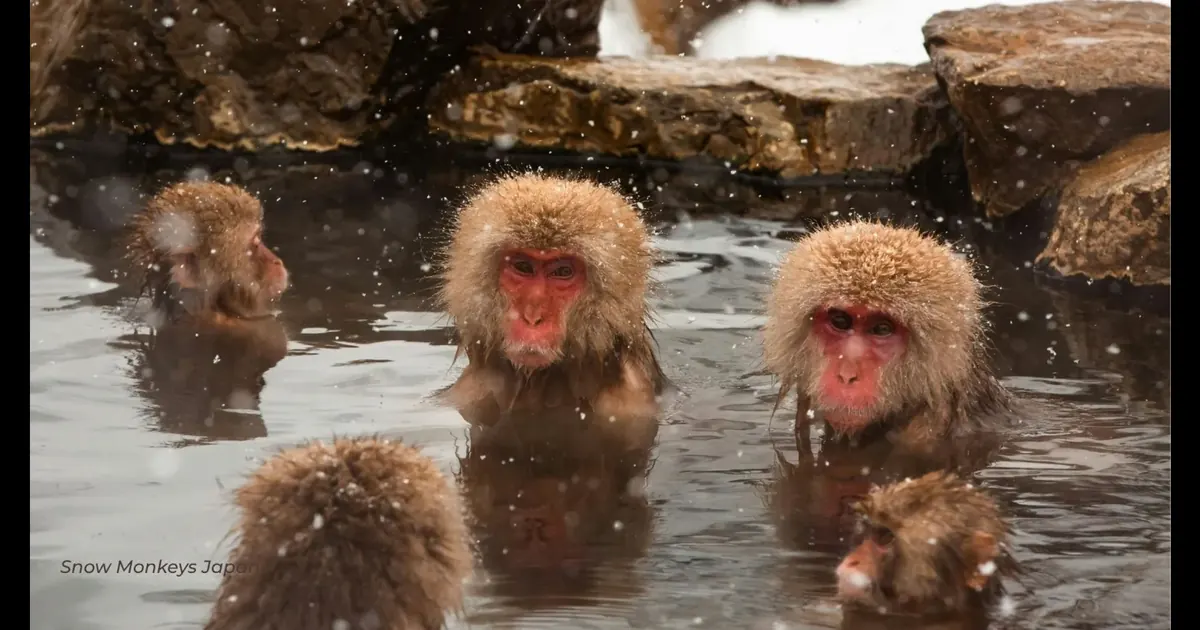
Japan’s real onsen culture is in the mountains, though. Hakone is about 90 minutes away. In Kusatsu, sulphur steam rolls off a wooden “hot-water field” in the town square. And in a snowy Nagano valley, wild macaques sit up to their chins in a hot pool a short walk from a 1,300-year-old bath town.
This guide covers all three: city spas, onsen towns within day-trip range of Tokyo and private baths you can book for two. For each one you’ll find prices checked in October 2026, the tattoo rules, and whether to go for the day or stay the night.
Quick answer (checked October 2026)
- Best single choice: Hakone Yuryo, about 90 minutes from Shinjuku. Public baths cost ¥1,700–2,200, and 19 private open-air baths cost ¥10,400–15,400 per room for 120 minutes. Tattoos are allowed.
- Best in the city: Tokyo Toyosu Manyo Club (¥3,850 + ¥150 bath tax, open 24 hours) or Spa LaQua at Tokyo Dome City (from ¥3,500, natural spring). Neither suits large tattoos.
- Cheapest soak: a neighbourhood sento costs ¥600 for adults from 1 August 2026, up from ¥550.
- Closed, despite old guides: Oedo Onsen Monogatari (Odaiba, closed 2021) and Jakotsuyu (Asakusa, closed 2019).
- The onsen trip only this region offers: Shibu and Yudanaka onsen plus the Jigokudani snow monkeys, about 2½ hours from Tokyo. Stay one night: only ryokan guests get keys to all nine of Shibu’s public baths.
Check Availability
Which onsen near Tokyo should you choose?
Hakone for a day, Shibu for a night, Toyosu or LaQua for an evening in the city. The table matches each pick to the kind of trip it suits.
| Category | Pick | Why | Key numbers (Oct 2026) |
|---|---|---|---|
| Best in central Tokyo | Spa LaQua (Tokyo Dome City) | Natural spring from 1,700 m down, next to Korakuen and Suidobashi stations | From ¥3,500 (date-based); 11:00–09:00 |
| Best 24-hour | Tokyo Toyosu Manyo Club | Hakone and Yugawara spring water trucked in daily; rooftop footbath over the bay | ¥3,850 + ¥150 tax; +¥3,000 after 03:00 |
| Best private onsen | Hakone Yuryo, Hanare Yuya Kaden | 19 bookable private open-air baths | ¥10,400–15,400 per room / 120 min |
| Best day trip | Hakone (Yumoto / Tonosawa) | Quickest proper onsen town; the Freepass covers most transport | Hakone Freepass from Shinjuku ¥7,100 (2 days) |
| Best tattoo-friendly | Hakone Yuryo | No tattoo restrictions in public or private baths | Public bath from ¥1,700 |
| Best special trip | Shibu / Yudanaka + snow monkeys | Wild macaques, a nine-bath circuit, lantern-lit streets | Tokyo–Nagano from ¥8,450 reserved; Nagaden ¥1,760 |
| Best budget | Any Tokyo sento | Price capped by the city, very local | ¥600 adult |
Is there a real onsen in Tokyo?
Yes. Several Tokyo spas use certified natural hot spring water, either from deep wells or trucked in from spa towns. Most are large, modern “super sento” complexes, not rustic mountain baths, and tattoo rules are stricter in the city than in Hakone.
| Name | Area | Water | Adult price | Hours | Tattoos |
|---|---|---|---|---|---|
| Tokyo Toyosu Manyo Club | Toyosu | Hakone/Yugawara spring water, trucked in daily | ¥3,850 + ¥150 tax; +¥3,000 03:00–09:00 | 24 h (baths closed 03:00–05:00) | Only if two of its 11×20 cm cover stickers hide them |
| Spa LaQua | Tokyo Dome City | Natural spring, 1,700 m below Tokyo Dome | From ¥3,500 (calendar); +¥2,500 01:00–06:00 | 11:00–09:00 | Not allowed (stickers and body paint also barred) |
| Thermae-Yu | Kabukicho, Shinjuku | Naka-Izu spring water, trucked in | Non-member ¥3,100 Mon–Thu / ¥3,200 Fri–Sun & holidays | 24 h (baths cleaned 03:00–06:00) | Women: allowed on a trial basis. Foreign-tourist men: with a ¥330 cover sticker. Resident men: no |
| Toshimaen Niwa no Yu | Nerima | Natural spring | Reported ¥2,520–3,070; cheaper after 18:00 | Reported 10:00–23:00 | Reported strict ban, stickers included |
| HOSHINOYA Tokyo | Otemachi | “Otemachi Onsen”, 1,500 m deep | Hotel guests only | — | Ask the hotel |
| Neighbourhood sento | Citywide | Mostly heated tap or well water; a few natural kuro-yu | ¥600 (12+), ¥200 (6–11), ¥100 (under 6) | Usually afternoon to about midnight | Varies; often tolerated |
Tokyo Toyosu Manyo Club: best for 24 hours
Manyo Club sits inside Toyosu Senkyaku Banrai, the Edo-style food and market complex next to the Toyosu fish market. The draw is the water: spring water from Hakone and Yugawara, delivered daily, so you’re soaking in spa-town water without leaving Tokyo. The 8th-floor rooftop footbath over Tokyo Bay is at its best after dark.
- Price: The “Maru-toku set” costs ¥3,850 for adults (junior high and up) and ¥2,000 for primary-school children, with yukata, towels and building access included. Adults also pay a ¥150 bathing tax. Staying past 03:00 adds a late-night fee of ¥3,000 (until 09:00), so a full night costs about ¥7,000 all in. A morning-only bath from 05:00 to 09:00 costs ¥2,200 plus tax.
- Hours: Open 24 hours, but the big baths close for cleaning from 03:00 to 05:00. You can stay for up to two business days.
- Tattoos: Allowed only if up to two of the venue’s cover stickers (max 11×20 cm each, ¥110 each at the front desk) hide them. Anything larger means you’ll be refused entry.
- Getting there: Shijo-mae Station on the Yurikamome line is right outside. Older guides mention a free shuttle from Shinbashi; reports conflict on whether it still runs, so don’t plan around it.
- Verdict: The best stand-in for an onsen town inside Tokyo, and a good way to spend a long layover or the night before an early flight.
Spa LaQua: best in central Tokyo
LaQua is the natural hot spring beneath the Tokyo Dome City amusement complex, drawn from 1,700 metres down. Expect an open-air bath, several themed baths and a large sauna zone, Healing Baden, on the upper floor.
- Price: Adults (18+) pay from ¥3,500, depending on the date (check the calendar on the official site). Entry from 19:00 is ¥1,000 cheaper. Ages 6–17 pay from ¥2,300. Healing Baden costs ¥1,100 extra (adults only). Staying between 01:00 and 06:00 adds a ¥2,500 late-night fee.
- Hours: 11:00 to 09:00 the next morning (last entry 08:00). Under-6s aren’t admitted. Under-18s need a guardian and must leave by 18:00.
- Tattoos: Not allowed. The official guide bars tattoos and body art, including paint and stickers, so cover patches won’t get you in.
- Verdict: The easiest natural-spring spa for most visitors staying in central Tokyo, unless you have tattoos.
Thermae-Yu (Shinjuku): best after the last train
Thermae-Yu is a big 24-hour spa in Kabukicho. It uses natural spring water trucked in from Naka-Izu, with several indoor baths and an open-air one.
- Price: Non-members pay ¥3,100 Monday–Thursday and ¥3,200 Friday–Sunday and on holidays (members ¥2,900 / ¥3,000), for up to 18 hours. A late-night fee applies from midnight to 06:00: +¥2,000 on weekdays, +¥2,300 at weekends (non-member).
- Ages: Teenagers aged 13–17 need ID and a guardian, and must leave by 20:00. Check the official guide before bringing anyone younger.
- Tattoos: The official policy splits three ways. Women with fashion tattoos are admitted on a trial basis, and need a sticker only if a single tattoo is bigger than 30×30 cm. Male foreign tourists who entered Japan within the last 90 days can enter with a paid cover sticker (¥330) if they show their passport. Men who live in Japan are refused.
- Verdict: Your best bet if you’ve missed the last train in Shinjuku. For tattooed visitors it’s one of the few big city spas with any route in.
Toshimaen Niwa no Yu: best garden bath (no tattoos)
Niwa no Yu, next to Toshimaen Station in Nerima (about 15 minutes from Ikebukuro), has the prettiest setting of any Tokyo spa: a Japanese garden around the outdoor baths, plus a mixed swimsuit “Baden” zone. Prices are reported at ¥2,520 on weekdays and ¥2,970 at weekends, with cheaper entry after 18:00. The tattoo ban is reported to be strict, with stickers refused. We couldn’t load the official site in October 2026, so check prices before you go.
How much is a sento in Tokyo?
¥600 for adults since 1 August 2026. The Tokyo Sento Association announced the ¥50 rise on 21 July 2026, citing energy costs. Children aged 6–11 still pay ¥200, and under-6s pay ¥100. Many guides still list ¥550.
Most sento heat tap or well water, so they aren’t technically onsen. A few pump up natural kuro-yu, “black water” stained the colour of tea by ancient plant matter. Takeno-yu (Minami-Azabu) and Hasunuma Onsen (Kamata) are two that English guides often mention. Asakusa’s famous kuro-yu bath, Jakotsuyu, closed on 31 May 2019, and Oedo Onsen Monogatari in Odaiba closed in September 2021. Ignore any guide that still recommends them.
Sento in one minute
- Price: ¥600 adult, cash (machines or the attendant)
- Bring: small towel, soap and shampoo (or buy them at the counter)
- Lockers: often need a ¥100 coin, sometimes returned
- Best time: early evening, after work, for the most local atmosphere
Which Tokyo hotels have a natural onsen?
Only a handful, and the best is a splurge. If you want a hot spring bath in your own building, these are the options.
- HOSHINOYA Tokyo (Otemachi): The luxury ryokan’s top-floor indoor and open-air baths use “Otemachi Onsen”, a natural sodium-chloride spring drawn from 1,500 metres. Hotel guests only.
- Tokyo Toyosu Manyo Club: Has hotel rooms above the spa, so you can bathe late and sleep in a real bed. Rates vary by date.
- Chain hotels with “natural hot spring” baths: Some Dormy Inn branches in Tokyo use natural spring water and others use artificial mineral baths. Check the hotel’s spring certificate (温泉分析書) or ask before you book if natural water matters to you.
Can you book a private onsen near Tokyo?
Yes. There are few in the city, but plenty within 90 minutes. Private baths are called kashikiri-buro (rentable baths) or kazoku-buro (family baths). They suit couples, families, nervous first-timers and anyone with tattoos.
Option 1: a day-use private bath (best: Hakone Yuryo)
Hakone Yuryo’s Hanare Yuya Kaden has 19 private open-air bath rooms. Prices are per room for 120 minutes and include tax:
| Room type | Size / capacity | Weekday | Weekend & holiday |
|---|---|---|---|
| Type 1 | 18 m², up to 2 people | ¥10,400 | ¥11,400 |
| Type 2 | 24 m², up to 4 people | ¥12,400 | ¥13,400 |
| Type 3 | up to 32 m², up to 4 people | ¥14,400 | ¥15,400 |
A 30-minute extension costs ¥2,600–3,850. Yukata rental is ¥100 (free with Type 3), and you can add the public baths for ¥1,000–1,300 per adult.
How to book Hakone Yuryo’s private baths
- Book online through TableCheck from one month before your date until 15:00 the day before. You can also phone +81-460-85-8411.
- You need a credit card to book; you pay on the day.
- Groups of three or more adults of mixed gender must be able to show they’re family.
- Weekend afternoons go first. Book as soon as your window opens.
Option 2: a ryokan’s private bath
Many ryokan, including plenty in Shibu and Yudanaka, let guests reserve the private bath for free or for a small fee. Usually you sign up at check-in or flip an “occupied” sign on the door. Ask when you book your room.
Option 3: a room with its own open-air bath
A rotenburo-tsuki kyakushitsu (room with an open-air bath) is the most private and most expensive option. Hakone, Atami and Kinugawa have many. Prices swing so much by season that it’s best to compare on the day you book.
Two things to know: private baths are priced per room, not per person, which makes them good value for three or four. And they’ve always been the easy answer for tattoos. Many ryokan that ban tattoos in the shared bath allow them in a private one.
What is the best onsen day trip from Tokyo?
Hakone. It’s the closest onsen town with proper baths, about 90 minutes from Shinjuku, and you can combine a soak with the ropeway, a lake cruise and (on clear days) views of Mount Fuji. Kusatsu is better as a town but too far for a day. Shibu and the snow monkeys deserve a night. For how these compare with Nikko, Kamakura and Mount Fuji, see our ranking of day trips from Tokyo.
| Town | Time from Tokyo | Typical cost (one way unless noted) | Best bath | Tattoos | Day trip or overnight? | Best season |
|---|---|---|---|---|---|---|
| Hakone | ~90 min (Romancecar from Shinjuku) | Hakone Freepass ¥7,100 (2 days, return incl. local transport) + Romancecar surcharge | Hakone Yuryo (¥1,700–2,200) | Yuryo: allowed | Day trip works | Nov (foliage), winter |
| Kusatsu | ~3 h (express + bus) or ~4 h (highway bus) | Express about ¥5,480 plus a short bus; highway bus about ¥3,500–4,500 | Sainokawara Rotenburo (¥800) | Big public baths reportedly don’t ban them; check | Overnight | Winter, autumn |
| Shibu / Yudanaka + snow monkeys | ~2¼–2½ h (Shinkansen + Nagaden) | Shinkansen from ¥7,920 non-reserved / ¥8,450 reserved + Nagaden ¥1,760 | Shibu Oyu (¥800) | Ask your ryokan | Overnight strongly recommended | Jan–Feb for snow and bathing monkeys |
Other good onsen areas within reach of Tokyo include Atami and the Izu Peninsula, Yugawara, Kinugawa, Minakami, Ikaho and Shima. Check current prices before you go.
Hakone: the best day trip
Getting there: The Odakyu Romancecar runs from Shinjuku to Hakone-Yumoto in about 90 minutes. The Hakone Freepass from Shinjuku costs ¥7,100 for two days or ¥7,500 for three (children ¥1,600 / ¥1,850), prices that have applied since 1 October 2025. It covers the return trip from Shinjuku and unlimited rides on eight types of local transport. The Romancecar costs an extra limited-express surcharge each way.
Best bath: Hakone Yuryo. This bathhouse uses an alkaline simple spring from Tonosawa Onsen and sits on a wooded slope three minutes from Hakone-Yumoto Station by free shuttle (or a five-minute walk from Tonosawa Station).
- Public baths: ¥1,700–1,800 on weekdays and ¥2,000–2,200 at weekends and holidays (ages 13+). Children 6–12 pay ¥1,000. Pre-school children can’t use the public baths.
- Hours: Weekdays 10:00–20:00 (last entry 19:00); weekends and holidays 10:00–21:00 (last entry 20:00).
- Tattoos: Welcome. Odakyu’s official guide says there are “no restrictions on tattoos”, a reversal from the strict ban older English guides still describe.
Verdict: a day trip works. Stay the night only if you’re splurging on a ryokan room with its own bath.
Kusatsu: Japan’s best onsen town, but not a day trip
Why go: Kusatsu is the most atmospheric onsen town in eastern Japan. The centre wraps around the steaming Yubatake hot-water field, and the water is strongly acidic and smells of sulphur.
Getting there: The JR Limited Express Kusatsu-Shima runs from Ueno to Naganohara-Kusatsuguchi in about 2 hours 20 minutes, and a JR bus takes about 25 minutes into town. Allow about three hours door to door, and note there are only a few express trains a day. The express costs about ¥5,480 from Ueno (¥3,190 fare plus a ¥2,290 limited-express charge), plus the short bus ride. Direct highway buses from Shinjuku or Tokyo Station take about four hours and cost roughly ¥3,500–4,500, depending on the date.
Best bath: Sainokawara Rotenburo. One of Japan’s largest open-air baths, at 500 m², holds about 100 people on each side. It costs ¥800 for adults and ¥400 for children (3–12). Opening hours are 07:00–20:00 from April to November and 09:00–20:00 from December to March, with last entry at 19:30. Facilities are simple, so rinse off by ladling water over yourself (kakeyu) before you get in. Otakinoyu and Gozanoyu in the town centre are the other big public baths.
Tattoos: Tattoo guides report that Kusatsu’s main public baths don’t specifically ban tattoos. Check on the day.
Verdict: stay overnight. A day trip means six or more hours of travel for a few hours in town.
Shibu, Yudanaka and the Jigokudani snow monkeys
This is the onsen trip nothing else near Tokyo can match. Shibu Onsen is a 1,300-year-old bath town with a lantern-lit street of wooden ryokan and nine public bathhouses (soto-yu), each said to ease a different ailment. Walking the full circuit is said to bring good luck. A short ride and forest walk up the valley, wild Japanese macaques soak in the hot spring pool at Jigokudani Monkey Park. (Curious why? See why snow monkeys bathe.)
Getting there from Tokyo (October 2026)
- Hokuriku Shinkansen, Tokyo–Nagano: from about 80 minutes on the fastest Kagayaki. ¥8,450 reserved / ¥7,920 non-reserved (regular season, one way). Booking on Eki-net as an e-ticket saves ¥200 on a reserved seat (¥8,250).
- Nagaden limited express, Nagano–Yudanaka: about 45 minutes, ¥1,760 (¥1,660 fare + ¥100 limited-express ticket). JR passes don’t cover Nagaden.
- Local bus, Yudanaka–Snow Monkey Park stop: about 10 minutes, ¥390 (check the fare chart on board). Shibu Onsen is on the way.
- Alternative: the Nagaden express bus from Nagano Station East Exit (stop 23/24) to the Snow Monkey Park takes about 45 minutes and costs ¥3,000 in winter / ¥2,000 the rest of the year (one way, adults). Buy your ticket before boarding at the Aruyo ticket office (Nagano Station East Exit, 1F) or online; don’t count on paying cash on the bus.
- Snow Monkey Pass: not sold in October–November. Winter 2026–27 prices not yet announced; last winter’s were ¥5,100 (train) and ¥6,800 (bus).
Full route-by-route details: how to get from Tokyo to the Snow Monkey Park.
Best baths for day visitors:
- Shibu Oyu (bath No. 9): the only one of the nine open to day visitors. ¥800 for adults, ¥500 for children, cash only, 10:00–17:00 (from 13:00 on Mondays, Wednesdays and Fridays). It can close without notice. The other eight baths open only with the key your Shibu ryokan gives you. More in our Shibu Onsen guide.
- Jigokudani Onsen Korakukan: the historic inn beside the monkey park, where the macaques were first seen bathing. Japan’s secluded-onsen association lists day bathing from 12:00 to 15:00, ¥1,200 for adults and ¥600 for children, in season from early April to late September, and no overnight plans on offer at present. Travellers have found it closed on some days, so phone ahead (0269-33-4376). Its riverside open-air bath is mixed-gender and can be seen from the walkway.
Snow Monkey Park essentials
- Admission: ¥800 adult / ¥400 child until 30 November 2026. From 1 December 2026 the park charges ¥880 for an online (Webket) ticket or ¥1,000 at the gate (children ¥440 / ¥500), according to the park’s 20 September 2026 notice. Check the official site before you go, or see Jigokudani tickets, fees and hours.
- Hours: April–October 8:30–17:00; November–March 9:00–16:00. Open daily, but it may close without notice in bad weather.
- Walk: about 1.6–2 km, 30–40 minutes each way from the trailhead (allow longer on snow). Unpaved, with stairs and slopes.
- Winter tickets: web-ticket holders get priority December–April, and without a ticket you may be refused entry on crowded days. Tickets go on sale about three months ahead. See tickets and opening hours.
- Bathing: the monkeys bathe most reliably in the coldest months, but nothing is guaranteed. You can’t bathe in the monkeys’ pool.
Verdict: stay overnight. You can do it in a day, with about five hours of travel in total, but you’d miss the best part: walking Shibu’s bath circuit in a yukata after dark, then reaching the monkeys early, before the day-trippers arrive. Ryokan stays in Yamanouchi add Nagano’s ¥200 per person per night accommodation tax (not charged when the room-only rate is under ¥6,000). Browse stays in Shibu Onsen, Yudanaka or Kanbayashi, or read the ryokan picks in our Shibu Onsen guide and our guide to where to stay near the Snow Monkey Park.
Are onsen tours from Tokyo worth it?
For Hakone, usually not. For the snow monkeys in winter, often yes. The Hakone Freepass makes Hakone easy on your own. A guided Jigokudani tour handles the transfers, the timing and the snowy forest walk, which matters when the express bus is busy and daylight is short.
Typical snow monkey tours include return transport by coach or Shinkansen, a guide and park entry. Some add a stop in Shibu Onsen, a footbath, Zenko-ji temple or a sake brewery. Hakone tours usually bundle the lake cruise and ropeway, with a short onsen stop or none at all.
Two GetYourGuide options pair the monkeys with Shibu:
- From your Tokyo hotel: the Tokyo: Private Snow Monkey Park & Nagano Scenic Day Trip (from $102 per person, 4.9/5 from more than 220+ reviews) gives you two hours at the park, with Shibu Onsen as an optional stop on the way back. It’s a ten-hour day by road, so it suits travellers without a rail pass. To fit the day into a longer stay, see our Tokyo itinerary.
- With a bath included: the Nagano: Snow Monkey Park, Soba Lunch, and Shibu Onsen Tour (from $127 per person, 5/5 from 17 reviews, a small sample) starts at Nagano, Yudanaka or Iiyama station and includes park entry, a soba lunch and entry to one of Shibu’s nine public baths. You take the Shinkansen to Nagano yourself.
Before booking, check:
- whether onsen entry is included or “optional at your own cost”
- how long you get at the bath (under 45 minutes isn’t a proper soak)
- the tattoo policy at the bath on the itinerary
- what happens if heavy snow disrupts the day
Disclosure: Some links on this page are GetYourGuide and hotel-booking affiliate links. If you book through them we may earn a commission at no extra cost to you.
Prices and inclusions change by date and operator, so we compare the current GetYourGuide options side by side in which snow monkey tour from Tokyo is right for you. For a private driver or guide, see private snow monkey day tours.
Can you sleep at an onsen in Tokyo?
Yes, and it can cost less than a last-minute hotel. All three big 24-hour spas have reclining lounges where you can doze until morning.
| Venue | Overnight cost (adult) | Sleeping setup | Notes |
|---|---|---|---|
| Toyosu Manyo Club | ¥3,850 + ¥3,000 late-night + ¥150 tax ≈ ¥7,000 (to 09:00) | Large relaxation room with reclining chairs; hotel rooms upstairs | Baths closed 03:00–05:00 |
| Thermae-Yu | ¥3,100–3,200 + ¥2,000–2,300 late-night ≈ ¥5,100–5,500 (non-member) | Reclining lounges | Baths cleaned 03:00–06:00 |
| Spa LaQua | From ¥3,500 + ¥2,500 (01:00–06:00) ≈ from ¥6,000 | Relaxation lounges | Closes 09:00; outdoor bath until 07:30 |
Expect snoring neighbours and lights on all night. Bring earplugs and an eye mask.
How do you use an onsen? Etiquette step by step
Wash first, go in naked, keep your towel out of the water and stay quiet. Here’s the full routine.
- Shoes off at the entrance and into a locker.
- Pay and collect towels. City spas include them; rural baths often don’t.
- Undress completely in the changing room. No swimsuits.
- Take only your small towel into the bathing area.
- Wash thoroughly first, seated on a stool, including your hair. Where there are no showers, rinse with kakeyu from the side of the pool.
- Get in slowly and tie up long hair.
- Keep your towel out of the water. Fold it on your head or leave it on the side.
- No swimming, splashing or loud talk.
- Soak in short bursts, 5–10 minutes at a time, with breaks.
- Wring out your towel and dry off before going back to the changing room.
- Photos: never in baths or changing rooms.
- Mixed bathing (konyoku): rare and mostly rural. Korakukan’s outdoor bath is one example.
- Periods: convention is to skip shared baths. A private bath is the considerate alternative.
- Children: Spa LaQua admits no under-6s, Thermae-Yu sets age rules for under-18s, and Hakone Yuryo’s public baths take no pre-schoolers. Children still in nappies are generally refused in shared baths, so families should book a private one.
What about tattoos?
It’s getting easier, but check every venue. In a 2015 Japan Tourism Agency survey, 56% of the hotels and ryokan that replied said they barred tattooed guests, 31% did not, and 13% allowed covered tattoos. Since then, Hakone Yuryo has dropped its restrictions, Thermae-Yu has trial rules for women and tourists, and sticker policies like Manyo Club’s have spread. But Spa LaQua and Niwa no Yu still say no, stickers included. Policies change without notice, so the venue’s own website is the only reliable source. A private bath is the guaranteed option.
What to pack
- Small towel (tenugui) plus a bath towel for rural baths
- Hair tie
- Cash and ¥100 coins (Shibu Oyu is cash only; many lockers take ¥100)
- Cover patches, where a venue accepts them
- Water bottle
- Earplugs and eye mask for overnight stays
- A plastic bag for your wet towel
- Warm socks and gloves for winter walks between baths
Staying safe in hot water
- Drink water before and after; hot baths dehydrate you.
- Don’t bathe drunk or straight after a big meal.
- Heart conditions, high blood pressure or pregnancy: check with your doctor first, avoid very hot baths and stand up slowly.
- Acidic springs like Kusatsu’s can sting cuts and sensitive skin. Rinse off afterwards if needed.
- In winter, the jump from an icy changing room to a 42 °C bath is a known risk for older bathers. Warm up gradually.
Types of spring, in brief
- Sulphur (硫黄泉): eggy smell, sometimes milky. Kusatsu’s water is acidic and sulphurous.
- Sodium chloride (塩化物泉): salty and warming. HOSHINOYA Tokyo’s Otemachi Onsen is one.
- Alkaline simple (単純温泉): gentle and leaves skin feeling smooth. Hakone Yuryo’s Tonosawa water is one.
- Kuro-yu (black water): coloured by ancient plant matter; typical of Tokyo’s lowland sento.
When is the best time for an onsen trip near Tokyo?
Winter, from December to March. An open-air bath in falling snow is the classic onsen moment: cold shoulders, warm everything else.
- Winter: Kusatsu’s Sainokawara under snowy pines and Shibu’s lantern-lit streets are at their best. January and February also give you the best odds of seeing the snow monkeys bathing, since they spend longer at the pool when it’s cold. Book Shibu ryokan early for those weekends, and buy park tickets online. See the best time to see the snow monkeys and our day trips from Tokyo for the other winter options.
- Autumn (November): foliage in Hakone and Kusatsu, and pleasant walking between baths.
- Spring: cherry blossom, but Golden Week (late April to early May) brings crowds and higher prices.
- Summer: pick city spas with good cold plunges, or go higher into the mountains. The monkeys still visit the pool in warm months, but bathing is far less reliable.
Frequently asked questions
Is there a real onsen in Tokyo?
Yes. Spa LaQua and Toshimaen Niwa no Yu use natural spring water from wells in Tokyo, and HOSHINOYA Tokyo has its own spring for guests. Toyosu Manyo Club and Thermae-Yu use natural spring water trucked in from Hakone, Yugawara and Izu.
How much is a public bath in Tokyo?
A regular sento costs ¥600 for adults from 1 August 2026, ¥200 for ages 6–11 and ¥100 for under-6s. Spa complexes cost about ¥3,000–4,000.
Is Oedo Onsen Monogatari still open?
No. The Odaiba onsen theme park closed for good in September 2021.
What is the best 24-hour onsen in Tokyo?
Tokyo Toyosu Manyo Club. A full night until 09:00 costs about ¥7,000 including tax and the late-night fee (as of October 2026; check before you travel).
Where can I get a private onsen near Tokyo?
Hakone Yuryo has 19 private open-air baths from ¥10,400 per room for 120 minutes. Book on TableCheck from one month ahead until 15:00 the day before.
Can I go to an onsen with tattoos near Tokyo?
Yes, at some. Hakone Yuryo has no tattoo restrictions. Manyo Club accepts tattoos hidden by two 11×20 cm stickers. Thermae-Yu admits women and foreign-tourist men under set conditions. Spa LaQua and Niwa no Yu say no. A private bath is the safest option.
What is the best onsen day trip from Tokyo?
Hakone. It’s about 90 minutes by Romancecar, the two-day Hakone Freepass from Shinjuku costs ¥7,100, and Hakone Yuryo is three minutes from Hakone-Yumoto by free shuttle.
Can you visit Kusatsu as a day trip from Tokyo?
You can, but it isn’t worth it. It takes about three hours each way by express and bus, or four by highway bus. Stay at least one night.
Can I bathe with the snow monkeys?
Not in the park; the pool is for monkeys only. Next door, Jigokudani Onsen Korakukan lists day bathing from 12:00 to 15:00 (¥1,200 adults, ¥600 children) between early April and late September, and monkeys sometimes come near its outdoor bath. Phone ahead, because it closes on some days.
Can day visitors use all nine of Shibu Onsen’s baths?
No. Only bath No. 9, Oyu (¥800, 10:00–17:00 and from 13:00 on Mondays, Wednesdays and Fridays, cash only), is open to day visitors. The other eight need the key Shibu ryokan give their overnight guests.
How do I get from Tokyo to Shibu Onsen?
Take the Hokuriku Shinkansen to Nagano (from about 80 minutes, ¥8,450 reserved or ¥7,920 non-reserved), then the Nagaden limited express to Yudanaka (about 45 minutes, ¥1,760), then a short bus or taxi ride.
Do I need to bring a towel?
City spas include towels. Hakone Yuryo’s public baths don’t, but you can buy or rent them. Rural public baths often don’t supply them, so bring your own.
Can I wear a swimsuit in an onsen?
No, except in separate swimsuit zones such as Niwa no Yu’s Baden area.
Is it OK to use an onsen during my period?
Convention is to avoid shared baths. Book a private bath instead.
Practical info
Verified October 2026
- Tokyo sento: ¥600 adult (from 1 Aug 2026), ¥200 ages 6–11, ¥100 under 6.
- Toyosu Manyo Club: ¥3,850 + ¥150 tax; +¥3,000 03:00–09:00; 24 h (baths closed 03:00–05:00); tattoos only under two 11×20 cm stickers.
- Spa LaQua: from ¥3,500 (date-based); +¥2,500 01:00–06:00; 11:00–09:00; no tattoos or stickers; no under-6s.
- Thermae-Yu: non-member ¥3,100 / ¥3,200; late-night +¥2,000 / +¥2,300; 24 h; conditional tattoo rules.
- Niwa no Yu: reported ¥2,520–3,070, 10:00–23:00, no tattoos (not re-verified).
- Hakone Yuryo: public ¥1,700–2,200; private ¥10,400–15,400 / 120 min; tattoos OK.
- Hakone Freepass (Shinjuku): ¥7,100 for 2 days, ¥7,500 for 3 days; Romancecar extra.
- Kusatsu: Ueno–Naganohara-Kusatsuguchi express about ¥5,480, then a short JR bus; Sainokawara ¥800 adult, ¥400 child.
- Shibu Oyu: ¥800, 10:00–17:00 (from 13:00 Mon/Wed/Fri), cash only.
- Korakukan day bath: ¥1,200 adult / ¥600 child, 12:00–15:00, early April to late September; phone ahead.
- Tokyo–Nagano Shinkansen: ¥8,450 reserved (¥8,250 e-ticket), ¥7,920 non-reserved. Nagaden Nagano–Yudanaka: ¥1,760.
- Snow Monkey Park: ¥800 until 30 Nov 2026; ¥880 online / ¥1,000 at the gate from 1 Dec 2026.
Prices are as of October 2026; check before you travel, especially tattoo rules, which can change without notice.
Sources
- Tokyo Sento Association: fee revision notice (21 July 2026)
- Tokyo Toyosu Manyo Club: FAQ
- Tokyo Toyosu Manyo Club: prices
- Tokyo Toyosu Manyo Club: access
- Manyo Club late-night fee breakdown (otsuka-seiya.com)
- Spa LaQua: hours and prices
- Thermae-Yu: user guide and prices
- HOSHINOYA Tokyo: Otemachi Onsen
- Hakone Yuryo: private bath reservations (TableCheck)
- Hakone Yuryo: hot springs (official English page)
- Odakyu Hakone Trip: Hakone Yuryo
- Hakone Navi: Hakone Freepass prices
- Kusatsu Onsen official: Sainokawara Rotenburo
- Ekitan: Limited Express Kusatsu-Shima fares
- Sanpo Travel: getting to Kusatsu from Tokyo
- Shibu Onsen Ryokan Association: Oyu
- Japan’s secluded-onsen association: Jigokudani Onsen Korakukan
- Jigokudani Yaen-koen: visitor guide
- japan-guide: Jigokudani Monkey Park
- Nagaden: fare revision (Dec 2025)
- Snow Monkey Resorts: Nagaden express bus
- JR-Shinkansen.net: Tokyo–Nagano fares
- Nagano Prefecture: accommodation tax (press release)
See the Snow Monkeys — and Be Back in Tokyo by Evening
A private vehicle both ways, a 30-minute forest walk in, and unhurried time at the hot spring. Rated 4.9/5 by 225 guests. Free cancellation up to 24 hours before.
Check Availability & Book