Best Time to Visit Tokyo, Month by Month (and When to Add the Snow Monkeys)
The best time to visit Tokyo, month by month: JMA weather data, crowds, 2027 holidays, sumo and festival dates, plus when to add the snow monkeys.
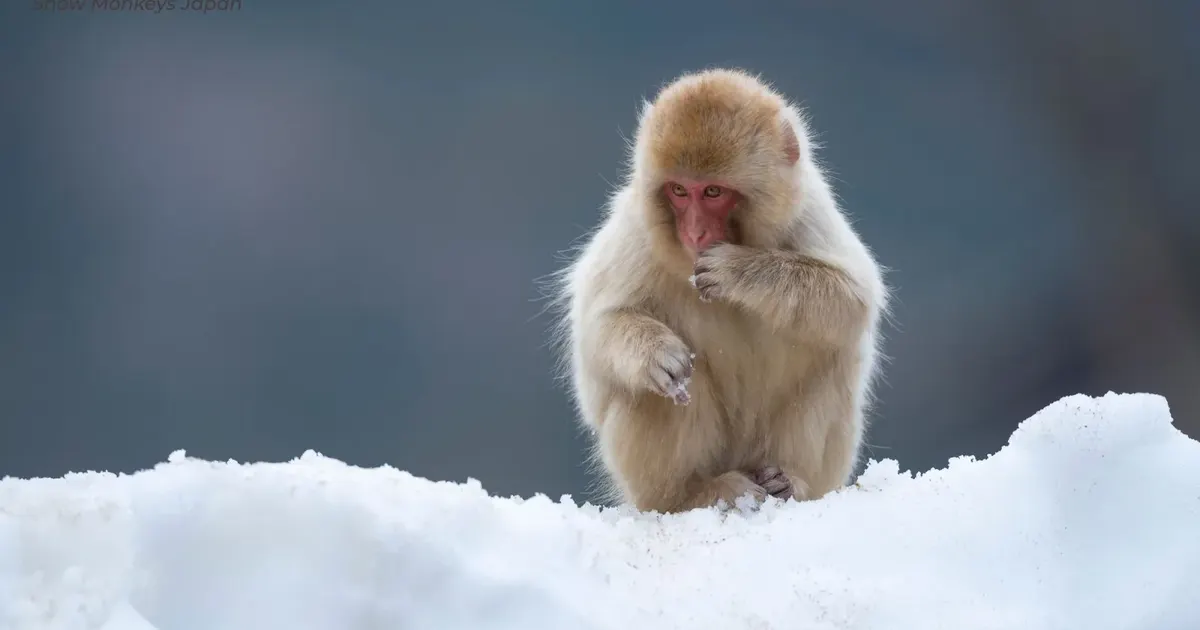
Here’s a fact that surprises most first-timers: Tokyo’s sunniest month isn’t May or August. It’s January. On the Japan Meteorological Agency’s (JMA) 1991–2020 normals, the city logs 192.6 hours of sunshine in January, more than any other month, while its wettest months are September and October, not June. Pick your dates by the postcard alone and you can easily end up in a typhoon or a 35°C heatwave.
Then there’s the climate itself, which is moving faster than the averages. Japan’s summer of 2025 was the hottest since records began in 1898, and from 27 August to 29 September 2026 central Tokyo had rain on 34 consecutive days, a new record. Choosing your month carefully matters more than it used to.
This guide covers all twelve months: the official weather normals, crowds and prices, what’s on in 2027, what to pack, a score out of 10, and a straight yes, maybe or no on whether to add a trip to the bathing snow monkeys of Jigokudani, about three hours from Tokyo in Nagano. Once you’ve picked your dates, our Tokyo itinerary turns them into a day-by-day plan.
Quick answer (verified 2 October 2026)
- Best month overall: November. Average high 16.7°C (62°F), 96.3 mm of rain (JMA 1991–2020), and peak autumn colour in late November (2026 forecast: ginkgo about 26 Nov, maples about 29 Nov, Japan Meteorological Corporation, 2 Sep 2026).
- Runners-up: the last week of March to the first week of April for cherry blossom (JMA average full bloom about 31 March), and 6 May to early June after Golden Week.
- Best Tokyo + snow monkeys combo: late January to February, when Tokyo is dry and bright and Jigokudani has the best odds of snow and bathing monkeys. For a longer trip, our 10-day Japan itinerary with the snow monkeys adds Kanazawa and Kyoto.
- Avoid if you can: Golden Week (29 April–5 May 2027), mid-July to August heat, Obon (around 13–16 August) and September, Tokyo’s peak typhoon month.
- Cheapest windows: mid-January to February, and June (rainy season).
Check Availability
What is Tokyo’s weather like each month?
Tokyo is dry and sunny from December to February, mild and increasingly wet in spring, humid and grey in June, hot from mid-July to early September, and wettest in September and October. These are the official JMA normals for the Tokyo observatory (Kitanomaru Park, Chiyoda). Averages are not forecasts, and recent summers have run hotter than the table suggests.
| Month | Avg high °C (°F) | Avg low °C (°F) | Rain mm | Sunshine hrs | Crowds / prices | Add snow monkeys? |
|---|---|---|---|---|---|---|
| Jan | 9.8 (49.6) | 1.2 (34.2) | 59.7 | 192.6 | Low (except 1–3 Jan) | Yes, peak |
| Feb | 10.9 (51.6) | 2.1 (35.8) | 56.5 | 170.4 | Low–medium | Yes, peak |
| Mar | 14.2 (57.6) | 5.0 (41.0) | 116.0 | 175.3 | Medium, very high late | Maybe (early March) |
| Apr | 19.4 (66.9) | 9.8 (49.6) | 133.7 | 178.8 | Very high early and from 29 Apr | Maybe |
| May | 23.6 (74.5) | 14.6 (58.3) | 139.7 | 179.6 | Very high to 5 May, then medium | Yes, for babies |
| Jun | 26.1 (79.0) | 18.5 (65.3) | 167.8 | 124.2 | Low | Maybe |
| Jul | 29.9 (85.8) | 22.4 (72.3) | 156.2 | 151.4 | Medium–high | No |
| Aug | 31.3 (88.3) | 23.5 (74.3) | 154.7 | 174.2 | High (Obon) | No |
| Sep | 27.5 (81.5) | 20.3 (68.5) | 224.9 | 126.7 | Medium | No |
| Oct | 22.0 (71.6) | 14.8 (58.6) | 234.8 | 129.4 | Medium–high | Maybe |
| Nov | 16.7 (62.1) | 8.8 (47.8) | 96.3 | 149.8 | High | Maybe |
| Dec | 12.0 (53.6) | 3.8 (38.8) | 57.9 | 174.4 | Medium, very high at New Year | Yes, from mid-Dec |
| Year | 20.3 (68.5) | 12.1 (53.8) | 1,598.2 | 1,926.7 |
Source: JMA climatological normals 1991–2020, Tokyo. Crowd levels and snow monkey verdicts are our editorial judgement; the monkey side of each verdict is set out in full in our month-by-month snow monkey guide.
How to read it: the two wettest months are October (234.8 mm) and September (224.9 mm), because typhoons and autumn rain fronts arrive. June has the fewest sunshine hours of the year (124.2) but less rain than either.
Tokyo month by month
January: crisp, sunny and cheap (8/10)
January is Tokyo’s sunniest month and one of the best-value times to visit, as long as you dress for cold mornings.
January at a glance High/low 9.8°C / 1.2°C · Rain 59.7 mm · Sunshine 192.6 h · Snow days 2.8 (JMA) Crowds: high 29 Dec–3 Jan, low after that 2027 holidays: New Year’s Day (Fri 1 Jan), Coming of Age Day (Mon 11 Jan)
Weather: Cold, dry and bright. The clear winter air gives you your best odds of seeing Mt Fuji from Tokyo’s observation decks. JMA’s average date for Tokyo’s first snow is 3 January, though most years bring only a dusting.
What’s on: Hatsumode, the first shrine visit of the year, packs Meiji Jingu and Senso-ji from 1 to 3 January: huge, cheerful crowds. The January Grand Sumo Tournament (Hatsu Basho) runs 10–24 January 2027 at Ryogoku Kokugikan. General ticket sales are reported to open on 5 December 2026; seats often sell out on day one, so check the Japan Sumo Association’s ticket site. Winter illuminations continue across the city.
Pack: A warm coat, layers, gloves, and lip balm for the dry air.
Verdict: Bright skies, low hotel demand after the New Year week, sumo and clear views. The downsides are early sunsets, New Year closures on 1–3 January, and cold evenings.
Add the snow monkeys? Yes, this is peak season. Snow usually lies at Jigokudani from about December to March, and January to February gives the best odds of monkeys soaking in the steaming pool. Winter hours are 9:00–16:00. From 1 December 2026 the park charges ¥880 for an online (Webket) ticket or ¥1,000 at the gate (children ¥440 / ¥500), according to the park’s 20 September 2026 notice. Check the official site before you go. Online tickets are date-specific and their holders get priority entry from December to April; on crowded days, visitors without a ticket may have to wait or may be refused. Details on tickets and the trail are in our Jigokudani park guide.
February: plum blossom and the best monkey month (8/10)
February is still low season in Tokyo, with bright weather, the first plum blossom, and the best odds of both snow and bathing at Jigokudani.
February at a glance High/low 10.9°C / 2.1°C · Rain 56.5 mm (driest month) · Sunshine 170.4 h · Snow days 3.5 (JMA’s snowiest month) Crowds: low–medium; busier around Lunar New Year 2027 dates: Setsubun (around 3 Feb), Lunar New Year (Sat 6 Feb), National Foundation Day (Thu 11 Feb), Emperor’s Birthday (Tue 23 Feb)
Weather: The driest month by rainfall and the most likely month for snow in Tokyo, though “likely” still means a few flurry days and rarely more than a few centimetres.
What’s on: Setsubun bean-throwing ceremonies at temples and shrines on or around 3 February. Plum blossom at gardens such as Yushima Tenjin and Koishikawa Korakuen (timing varies; check each garden’s site). Lunar New Year on 6 February 2027 can lift demand from East Asian markets for a few days.
Pack: As for January, plus waterproof boots with grip if you’re heading to Nagano.
Verdict: Low prices, crisp light and plum blossom. Still cold, with short days.
Add the snow monkeys? Yes, our top month. Snow, steam and frequent bathing usually coincide. Go on a weekday, book your Webket ticket as soon as your date is fixed (sales open about three months ahead), and arrive early. See best time to see the snow monkeys for the month-by-month detail, and why snow monkeys bathe for what puts them in the water.
March: plum to cherry, and the crowds arrive (8/10; 9/10 in the last week)
Early March is quiet and pleasant. The last week of March usually brings the start of cherry blossom season, which is beautiful and very busy.
March at a glance High/low 14.2°C / 5.0°C · Rain 116.0 mm · Sunshine 175.3 h Cherry blossom (JMA average): first bloom about 24 March, full bloom about 31 March. In 2026: first bloom 19 March, full bloom 28 March Crowds: medium early, very high from about 20 March 2027 holiday: Vernal Equinox Day (Sun 21 Mar), with a substitute holiday on Mon 22 Mar
Weather: Rainfall doubles compared with February, and the temperature swings are big. Bring layers.
What’s on: Hanami season. JMA declares Tokyo’s first bloom when its sample Somei-yoshino tree at Yasukuni Shrine shows at least five or six open flowers, and full bloom when about 80% of buds are open. In 2026 bloom came five days ahead of average, and full bloom followed nine days later. No 2027 forecast exists yet; the first ones usually appear from late January or February, so plan for the last week of March to the first week of April and fine-tune later.
Pack: A light down jacket or trench coat, a scarf and a compact umbrella.
Verdict: Blossom, mild days and spring menus. Hotel rates spike during bloom, the famous spots are packed, and the timing is never certain.
Add the snow monkeys? Maybe, and the earlier the better. The monkeys still bathe, but snow at Jigokudani usually thins as March goes on. If snow is the point, go in the first half of the month.
April: blossom finale, fresh green, then Golden Week (9/10 for 1–20 April)
The first week of April is often classic sakura time. Mid-April is a sweet spot, with late double-flowered cherries, fresh greenery and smaller crowds. Avoid the start of Golden Week on 29 April.
April at a glance High/low 19.4°C / 9.8°C · Rain 133.7 mm · Sunshine 178.8 h Crowds: very high 1–7 April and from 29 April; medium mid-month 2027 holiday: Showa Day (Thu 29 Apr), which opens Golden Week
Weather: Comfortably warm days and cool evenings: some of the best sightseeing weather of the year.
What’s on: Late yaezakura cherries in parks such as Shinjuku Gyoen, and azaleas at Nezu Shrine later in the month.
Pack: Layers and a light jacket.
Verdict: Ideal temperatures and greenery. Early-April and Golden Week prices are high, and an early bloom year can leave you arriving after the petals have fallen.
Add the snow monkeys? Maybe. The snow has mostly gone and bathing is less frequent, but the park is calmer. Summer hours (8:30–17:00) start in April, and Webket priority still applies until the end of the month. Go if you’re curious about the monkeys rather than set on the snow-and-steam photo. In 2027 you can pair it with Zenko-ji’s Gokaicho in Nagano (reported for 4 April–19 June 2027).
May: the post–Golden Week sweet spot (9/10 from 6 May)
From 6 May to early June, Tokyo is warm, green and noticeably calmer than in spring. It’s one of the best-value windows of the year.
May at a glance High/low 23.6°C / 14.6°C · Rain 139.7 mm · Sunshine 179.6 h Golden Week 2027: Thu 29 April–Wed 5 May (Showa Day 29 Apr; Constitution Day 3 May; Greenery Day 4 May; Children’s Day 5 May). Fri 30 April is a working day that many people take off Crowds: very high to 5 May, then medium
What’s on:
- May Grand Sumo Tournament (Natsu Basho): 9–23 May 2027, Ryogoku Kokugikan.
- Kanda Matsuri: 2027 is a main-festival (honmatsuri) year, since the full festival is held in odd-numbered years. Processions usually fall on a weekend in mid-May, but Kanda Myojin had not announced 2027 dates as of 2 October 2026.
- Sanja Matsuri at Asakusa Shrine is traditionally held over the third weekend of May. 2027 dates are not yet confirmed.
Pack: T-shirts, a light layer and sunscreen; UV is already strong.
Verdict: Long warm days, two big festivals and sumo, with fair prices once Golden Week is over. Humidity starts creeping up late in the month.
Add the snow monkeys? Yes, for the babies. Most infants are born from about late April to June, so mid-to-late May brings newborns clinging to their mothers, a green forest and thinner crowds. There’s no snow, and bathing is rare. More on monkey life: snow monkey facts.
June: rainy season, and the low-price month (5/10)
June is tsuyu (rainy season) month: humid and grey, with the fewest sunshine hours of the year, but also the quietest and cheapest time before summer.
June at a glance High/low 26.1°C / 18.5°C · Rain 167.8 mm · Sunshine 124.2 h (lowest of the year) Rainy season, Kanto-Koshin (JMA average): about 7 June to 19 July. In 2026 (confirmed): about 2 June to 19 July Crowds: low · No public holidays
Weather: More drizzle and grey skies than constant downpours, with sticky humidity. The rainy season is a front that comes and goes, not six weeks of non-stop rain.
What’s on: Hydrangeas at Hakusan Shrine in Tokyo and Meigetsu-in in Kamakura; the Sanno Matsuri at Hie Shrine (the smaller version in odd years like 2027); and the indoor Tokyo of museums, depachika food halls and izakaya.
Pack: A sturdy umbrella, quick-dry clothes and shoes that cope with puddles.
Verdict: Low crowds, lower prices, lush gardens. Grey skies and humidity, and outdoor plans at the mercy of the weather.
Add the snow monkeys? Maybe. The babies are still young and the valley is lush, but rain makes the forest trail muddy and the monkeys rarely bathe. Only wildlife fans will want it.
July: festivals, fireworks and rising heat (4/10)
Come in July for festivals and fireworks, not comfort. Once the rainy season ends (on average about 19 July), Tokyo is properly hot.
July at a glance High/low 29.9°C / 22.4°C · Rain 156.2 mm · Sunshine 151.4 h 2027 holiday: Marine Day (Mon 19 Jul). School summer holidays start in late July Crowds: medium–high
Heat warning: The normals understate today’s summers. JMA confirmed Japan’s summer 2025 as the hottest since records began in 1898, 2.36°C above normal; the previous record, +1.76°C, was shared by 2023 and 2024. In August 2025 Tokyo logged a record 10 straight days at or above 35°C.
What’s on: Tanabata (7 July), neighbourhood summer festivals and the Sumida River Fireworks, held on the last Saturday of July (25 July in 2026). That points to 31 July 2027, but organisers announce the date each year, so treat it as provisional.
Pack: Breathable clothing, a hat, a refillable bottle, electrolytes and a cooling towel.
Verdict: Yukata, beer gardens and fireworks. Heat, humidity, heatstroke risk and school-holiday crowds from late July.
Add the snow monkeys? No. The monkeys don’t bathe in the heat, many stay up in the forest, and the trail is steamy. Spend a cooler day in the mountains or by the sea instead (see day trips from Tokyo).
August: hottest month, Obon crowds (3/10)
August is Tokyo’s least comfortable month for most travellers: the hottest on the normals, with domestic holiday crowds around Obon and a rising typhoon risk.
August at a glance High/low 31.3°C / 23.5°C · Rain 154.7 mm · Sunshine 174.2 h 2027 holiday: Mountain Day (Wed 11 Aug). Obon falls around 13–16 August; it isn’t a public holiday but is a peak domestic travel week Typhoons: 0.8 approaches to Kanto-Koshin on average (JMA) Crowds: high around Obon
What’s on: Fireworks, bon-odori dances, and Koenji Awa Odori, usually in late August (confirm the dates).
Pack: As for July, plus a handheld fan and a rain shell for sudden storms.
Verdict: Lively festivals and the Mt Fuji climbing season. Dangerous heat, Obon prices and possible typhoon disruption.
Add the snow monkeys? No. Hot, humid, no bathing, and disappointing photos.
September: typhoon peak and lingering heat (4/10)
September stays summer-hot for much of the month and is Tokyo’s peak typhoon month. Book flexible fares and keep plans loose.
September at a glance High/low 27.5°C / 20.3°C · Rain 224.9 mm · Sunshine 126.7 h Typhoons: 1.2 approaches to Kanto-Koshin on average, the most of any month (JMA 1991–2020) 2027 holidays: Respect for the Aged Day (Mon 20 Sep), Autumnal Equinox Day (Thu 23 Sep). No “Silver Week” run of holidays in 2027 Crowds: medium
A cautionary tale: central Tokyo had rain on 34 consecutive days from 27 August to 29 September 2026, beating the previous record of 33 days set in 2019. Typhoon Dujuan alone dropped 156 mm on 21 September. Not every September is like this, but it’s sensible to carry travel insurance that covers weather disruption.
What’s on: The September Grand Sumo Tournament (Aki Basho): 12–26 September 2027, Ryogoku Kokugikan, and the Tokyo Game Show at Makuhari Messe (2027 dates not yet announced).
Pack: Lightweight rainwear and summer clothes.
Verdict: Sumo and fewer tourists than in summer. Typhoons, heat and the second-wettest month of the year.
Add the snow monkeys? No. Typhoons can disrupt trains and mountain roads, there’s no bathing, and the trail gets muddy.
October: autumn arrives (7/10; 8/10 in the second half)
Early October can still bring typhoons and rain. From mid-month Tokyo turns comfortable again, with warm days, cool nights and harvest-season food.
October at a glance High/low 22.0°C / 14.8°C · Rain 234.8 mm (wettest month on the normals) · Sunshine 129.4 h Typhoons: 0.7 approaches to Kanto-Koshin on average Holidays: Sports Day (Mon 12 Oct 2026; Mon 11 Oct 2027) Crowds: medium–high
What’s on: Autumn menus, sports and culture festivals, and Halloween, with a caveat. Since 1 October 2024, drinking in public spaces around Shibuya Station has been banned every night from 6 pm to 5 am, all year round, and since June 2026 Shibuya also issues on-the-spot ¥2,000 littering fines. The ward does not treat the station area as a Halloween venue, so head to organised events instead.
Pack: Light layers, a jacket for evenings and an umbrella.
Verdict: Pleasant temperatures return and crowds are thinner than in November. On average it’s the wettest month, with typhoon risk early on.
Add the snow monkeys? Maybe. There’s no snow or bathing to speak of, but the Yamanouchi hills take on autumn colour (timing varies). It pairs nicely with an overnight in Shibu Onsen. Just don’t expect the classic photo.
November: the best month to visit Tokyo (10/10)
November is Tokyo’s most reliable month: comfortable, fairly dry, often sunny, and gold with ginkgo by the end of the month.
November at a glance High/low 16.7°C / 8.8°C · Rain 96.3 mm · Sunshine 149.8 h Foliage 2026 (Japan Meteorological Corporation, first forecast, 2 Sep 2026): yellow ginkgo about 26 Nov, red maples about 29 Nov in Tokyo, both close to average Holidays: Culture Day (3 Nov), Labour Thanksgiving Day (23 Nov) Crowds: high, especially on foliage weekends
What’s on: The ginkgo avenue at Meiji Jingu Gaien; autumn light-ups at gardens such as Rikugien; Shichi-go-san family shrine visits around 15 November; and Christmas illuminations switching on from early to mid-November.
Pack: A light down jacket or wool coat, plus layers.
Verdict: The best weather-to-scenery ratio of the year and a superb food season. Popular foliage spots get busy, and when Kyoto is at peak colour, demand for trains and hotels rises across the country.
Add the snow monkeys? Maybe, the least predictable month. You’re between seasons: snow can come early or late, and bathing is irregular. Combine it with an onsen night in Shibu if you’re curious; skip it if the snow photo is your goal. Note that from 1 December 2026 the park’s admission price changes (see December).
December: illuminations and the start of monkey season (7/10)
December is bright, dry and festive. Prices are reasonable until mid-month, then climb sharply from about 25 December to 3 January.
December at a glance High/low 12.0°C / 3.8°C · Rain 57.9 mm · Sunshine 174.4 h · Snow days 0.6 Crowds: medium, then very high over New Year (year-end closures usually run 29 Dec–3 Jan)
What’s on: Winter illuminations (Marunouchi, Roppongi and others, varying by year), Christmas markets, year-end markets, and temple bells on New Year’s Eve.
Pack: A winter coat, gloves and a scarf.
Verdict: Clear skies, illuminations and quiet weekdays early in the month. Christmas and New Year prices, and closures from 29 December.
Add the snow monkeys? Yes, from mid-December. Snow usually builds through the month and bathing picks up; early December can be patchy. From 1 December 2026 the park charges ¥880 for a Webket ticket or ¥1,000 at the gate (children ¥440 / ¥500), according to the park’s 20 September 2026 notice. Check the official site before you go. Bargain tip: JR East’s Tokudane Special 28 e-tickets (50% off the fare and express ticket) cover weekday travel on 7–17 December 2026 on limited trains and seats, including the Hokuriku Shinkansen to Nagano. Check Eki-net for the sale window, because seats are limited. A warm bath after the cold walk is easy to add: our guide to the best onsen near Tokyo covers the options.
Tokyo’s seasons at a glance
Winter is underrated and the best value; spring is iconic but expensive; early summer is the budget pick; high summer is for festival lovers only; and autumn has the best month of all, November.
| Season | Months | Weather | Crowds / prices | Highlights | Verdict |
|---|---|---|---|---|---|
| Winter | Dec–Feb | Cold, dry, sunniest | Low (except New Year) | Illuminations, January sumo, plum blossom, snow monkeys | Underrated, best value |
| Spring | Mar–May | Mild, rain increasing | Very high (sakura, Golden Week) | Cherry blossom, festivals, May sumo | Iconic; book early |
| Rainy season | Jun–mid Jul | Humid, grey | Low | Hydrangeas, indoor Tokyo | Budget pick |
| Summer | Mid Jul–Aug | Hot, record-breaking recently | High (Obon) | Fireworks, matsuri | Festival lovers only |
| Autumn | Sep–Nov | Typhoon-wet Sep–Oct, golden Nov | Medium to high | Foliage, food, September sumo | November is the best month |
When should you visit Tokyo, by type of traveller?
Most travellers should aim for November or late March to early April; budget travellers and snow monkey fans should look at January and February.
- First-timers: November, or the last week of March to the first week of April. Book the spring window four to six months ahead.
- Budget travellers: mid-January to February, or June. Avoid 29 December to 3 January, Golden Week and Obon.
- Photographers: January–February for clear air, Fuji views and snow monkeys; late March for blossom; late November for ginkgo.
- Families: mid-to-late May, or late October to November. Avoid July and August with small children.
- Festival lovers: May 2027 (a Kanda Matsuri main year, plus Sanja Matsuri) and late July (Sumida River Fireworks, provisionally 31 July 2027).
- Foodies: October to November for harvest season, or winter for hot pots and oysters.
- Heat-averse travellers: October to May only.
- Sumo fans: 10–24 January, 9–23 May or 12–26 September 2027, all at Ryogoku Kokugikan.
When is the best time to combine Tokyo with the snow monkeys?
Late January to February is the best window, with mid-December and early March as good shoulder options and mid-to-late May for babies. Snow and bathing are never guaranteed, but these windows give you the best odds. Our best time to see the snow monkeys guide goes through the park side of each month, including the best hour of the day at the pool.
- Late January to February (best): usually reliable snow at Jigokudani, frequent bathing, Tokyo’s low season and its sunniest weather. In 2027 you can add the January sumo (10–24 January).
- Mid-December (good): Tokyo’s illuminations, the start of monkey season and pre-holiday prices, plus Tokudane Special 28 rail discounts on weekdays 7–17 December 2026.
- Early March (good): often still some snow, combined with plum blossom and, later, the first cherry blossom in Tokyo.
- Mid-to-late May, after Golden Week (babies): newborn monkeys, green forest and calmer crowds.
Getting there: the Hokuriku Shinkansen takes from about 80 minutes from Tokyo to Nagano (¥8,450 reserved, one way). From Nagano, the express bus to the Snow Monkey Park stop takes about 45 minutes (¥3,000 in winter / ¥2,000 the rest of the year, one way, adults). Alternatively, take the Nagaden limited express to Yudanaka (about 45 minutes, ¥1,760 including the ¥100 express fee) and the local bus (¥390; check the fare chart on board). Then it’s about 2 km on foot along a forest trail, 30 to 40 minutes (allow longer on snow). Prices are as of October 2026; check before you travel. Full details: how to get to Jigokudani Monkey Park from Tokyo. To add Zenko-ji the same day, see our Nagano day trip from Tokyo.
Disclosure: some links on this page are GetYourGuide affiliate links. If you book through them we may earn a commission at no extra cost to you.
Prefer not to juggle trains, buses and tickets in the snow? GetYourGuide sells private day trips with a driver from Tokyo, and group tours that meet you in Nagano off the bullet train. The most reviewed day trip from Tokyo is the Tokyo private Snow Monkey Park and Nagano day trip (from $102 per person, 4.9/5 from 220+ reviews), with two hours at the park. We compare the options in which snow monkey tour from Tokyo is right for you.
Does it snow in Tokyo?
Yes, but rarely, and it seldom settles. On JMA’s 1991–2020 normals, the Tokyo observatory records snowfall on about 8.5 days a year (2.8 in January, 3.5 in February, 1.4 in March, 0.6 in December), with an annual total of just 8 cm. That count includes days with only flurries or sleet. The average first snow is 3 January.
When 10 cm or so does fall, trains slow and the city struggles, so build in slack if a heavy-snow warning is issued. For dependable snow, head to Nagano, Gunma or Niigata; our guide to snow in Japan, city by city compares them.
Key dates: October 2026 to 2027
| Date | Event | Status |
|---|---|---|
| Mon 12 Oct 2026 | Sports Day | Official holiday |
| 31 Oct 2026 | Halloween (Shibuya street-drinking ban 6 pm–5 am applies year-round) | Official rules |
| 3 & 23 Nov 2026 | Culture Day; Labour Thanksgiving Day | Official holidays |
| About 26–29 Nov 2026 | Peak ginkgo and maple colour in Tokyo | Forecast (JMC, 2 Sep) |
| 1 Dec 2026 | Jigokudani admission changes to ¥880 online / ¥1,000 gate | Park notice, 20 September 2026 |
| 5 Dec 2026 | January sumo tickets on general sale | Reported; check JSA |
| 7–17 Dec 2026 (weekdays) | Tokudane Special 28 travel period | Official |
| 29 Dec 2026–3 Jan 2027 | Year-end/New Year closures and travel peak | Customary |
| 1 Jan 2027 | New Year’s Day; hatsumode | Official holiday |
| 10–24 Jan 2027 | January Grand Sumo, Ryogoku | JSA schedule |
| 11 Jan 2027 | Coming of Age Day | Official holiday |
| About 3 Feb 2027 | Setsubun | Customary |
| 6 Feb 2027 | Lunar New Year | Fixed |
| 11 & 23 Feb 2027 | National Foundation Day; Emperor’s Birthday | Official holidays |
| 21–22 Mar 2027 | Vernal Equinox Day (Sun) + substitute holiday (Mon) | Official |
| About 24 / 31 Mar | Average first bloom / full bloom in Tokyo | JMA average, not a forecast |
| 4 Apr–19 Jun 2027 | Zenko-ji Gokaicho, Nagano | Reported |
| 29 Apr–5 May 2027 | Golden Week | Official holidays |
| 9–23 May 2027 | May Grand Sumo, Ryogoku | JSA schedule |
| Mid-May 2027 | Kanda Matsuri (main year); Sanja Matsuri (third weekend) | Dates not yet announced |
| About 7 Jun–19 Jul | Kanto-Koshin rainy season | JMA average |
| Mon 19 Jul 2027 | Marine Day | Official holiday |
| Sat 31 Jul 2027 | Sumida River Fireworks | Provisional (last Saturday of July) |
| Wed 11 Aug 2027 | Mountain Day | Official holiday |
| About 13–16 Aug 2027 | Obon | Customary |
| 12–26 Sep 2027 | September Grand Sumo, Ryogoku | JSA schedule |
| 20 & 23 Sep 2027 | Respect for the Aged Day; Autumnal Equinox Day | Official holidays |
| Mon 11 Oct 2027 | Sports Day | Official holiday |
FAQ
What is the best month to visit Tokyo?
November. JMA normals give an average high of 16.7°C (62°F) and 96.3 mm of rain, and peak autumn colour falls in late November (2026 forecast: ginkgo about 26 November, maples about 29 November).
What is the cheapest time to visit Tokyo?
Mid-January to February, and June. Demand is lowest outside the New Year, cherry blossom, Golden Week, Obon and foliage peaks.
When is cherry blossom season in Tokyo in 2027?
No forecast had been published as of 2 October 2026. On JMA averages, first bloom is about 24 March and full bloom about 31 March; in 2026 they came on 19 and 28 March. Plan for late March to early April and check forecasts from late January.
When is the rainy season in Tokyo?
On JMA averages, about 7 June to 19 July in Kanto-Koshin. In 2026 it ran from about 2 June to 19 July (JMA confirmed figures).
When is typhoon season in Tokyo?
Roughly July to October, peaking in September. JMA averages 1.2 typhoon approaches to Kanto-Koshin in September, 0.8 in August and 0.7 in October, out of 3.3 a year.
How hot is Tokyo in summer?
The JMA normal high in August is 31.3°C (88.3°F), but recent summers have been hotter. Japan’s summer of 2025 was the hottest on record, 2.36°C above normal.
Does it snow in Tokyo?
Rarely. There are about 8.5 days a year with any snowfall and about 8 cm in total, mostly in January and February (JMA 1991–2020).
When is Golden Week 2027?
Thursday 29 April to Wednesday 5 May 2027. Friday 30 April is a working day, though many people take it off.
Is there a Silver Week in 2027?
No. Respect for the Aged Day (20 September) and Autumnal Equinox Day (23 September) don’t line up into a long run of holidays in 2027.
When are the Tokyo sumo tournaments in 2027?
10–24 January, 9–23 May and 12–26 September 2027, all at Ryogoku Kokugikan.
What is the best time to see the snow monkeys from Tokyo?
Late January to February gives the best odds of snow and bathing; mid-to-late May is best for babies. Mid-December and early March are good shoulder months.
How much does Jigokudani cost from December 2026?
From 1 December 2026, ¥880 for an online (Webket) ticket or ¥1,000 at the gate, with children ¥440 / ¥500, according to the park’s 20 September 2026 notice. Until 30 November 2026 it’s ¥800 for adults and ¥400 for children. Check the official site before you go.
Is Tokyo crowded all year?
Visitor numbers are near record levels, but crowds peak at New Year, during cherry blossom, at Golden Week, from mid-July to August and on November foliage weekends. January to February and June are the quietest periods.
Can I go to Shibuya for Halloween?
You can visit, but drinking in public spaces around Shibuya Station is banned from 6 pm to 5 am every night, and the ward discourages Halloween street gatherings.
Practical info
Verified 2 October 2026
- Weather data: JMA climatological normals 1991–2020, Tokyo observatory. Averages, not forecasts.
- 2027 public holidays: Cabinet Office list (see the key dates table).
- 2027 Tokyo sumo: 10–24 Jan, 9–23 May, 12–26 Sep, Ryogoku Kokugikan.
- Jigokudani hours: Apr–Oct 8:30–17:00; Nov–Mar 9:00–16:00. Open every day but may close without notice in bad weather.
- Jigokudani admission: ¥800 adult / ¥400 child until 30 Nov 2026. From 1 Dec 2026, ¥880 online / ¥1,000 gate (children ¥440 / ¥500), per the park’s 20 September 2026 notice. Webket tickets are date-specific, on sale about three months ahead, and get priority entry Dec–Apr. Card and e-money accepted at the gate; QR-code payments are not.
- Tokyo to Nagano: Hokuriku Shinkansen from about 80 min, ¥8,450 reserved (¥8,250 as an e-ticket). JR passes don’t cover Nagaden trains or buses.
- Nagano to the park: express bus about 45 min, ¥3,000 winter / ¥2,000 rest of year. Buy before boarding at the Aruyo ticket office (Nagano Station East Exit, 1F) or online; don’t count on paying cash on the bus.
- The trail: about 2 km each way from the trailhead, 30 to 40 minutes, unpaved and icy in winter.
- Prices as of October 2026; check before you travel.
Sources
- JMA, Tokyo climatological normals 1991–2020
- JMA, Tropical cyclone normals by region
- JMA, 2026 rainy season start and end dates (confirmed)
- JMA, Summer 2025 climate press release
- Cabinet Office, National holidays 2026–2027
- Weathernews, Tokyo full bloom 28 March 2026
- Nippon.com, 2026 autumn foliage forecast (Japan Meteorological Corporation)
- CGTN, Central Tokyo records 34 straight days of rain
- Japan Times, Tokyo records 10 days of 35°C or more (Aug 2025)
- Best Calendar, Grand Sumo honbasho schedule 2027
- Self Guide Japan, January 2027 Grand Sumo tickets
- Watabi, Kanda Matsuri guide (2027 dates unannounced)
- Koto City, Sumidagawa Fireworks 2026
- LIVE JAPAN, Shibuya Halloween rules
- Travel Voice, August 2026 visitor arrivals
- Jigokudani Yaen-koen, fees and hours
- japan-guide, Jigokudani Monkey Park
- JR East press release, Eki-net discount changes (7 Aug 2026)
- Snow Monkey Resorts, Nagaden express bus
See the Snow Monkeys — and Be Back in Tokyo by Evening
A private vehicle both ways, a 30-minute forest walk in, and unhurried time at the hot spring. Rated 4.9/5 by 225 guests. Free cancellation up to 24 hours before.
Check Availability & Book