Best Day Trips from Tokyo by Bullet Train (2026–27): 12 Shinkansen Trips Ranked
12 Shinkansen day trips from Tokyo ranked, with October 2026 fares, times and pass break-evens: Nagano's snow monkeys, Nikko, Karuizawa, Kyoto and more.
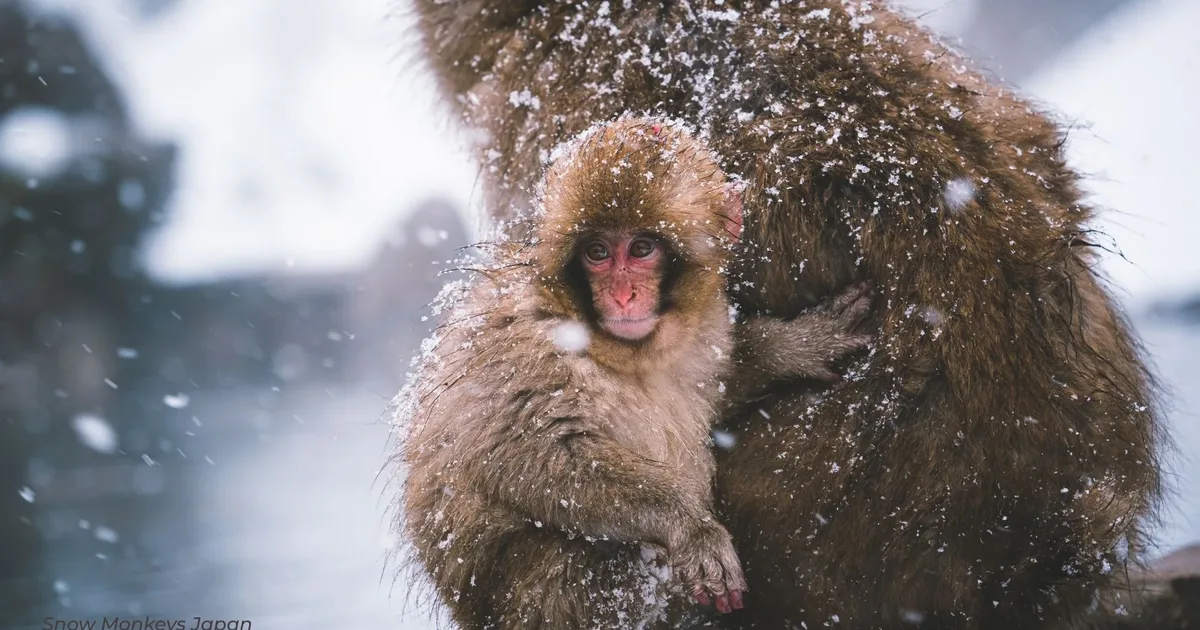
The first Kagayaki of the day pulls out of Tokyo Station a little after 6 a.m. Eighty minutes later you’re stepping onto a cold platform in Nagano, and by mid-morning you can be watching wild macaques steam in a mountain hot spring. With the Shinkansen, a day trip can mean castle towns, samurai gardens, onsen resorts and ski slopes.
Fares changed a lot in 2026. JR East raised fares on 14 March, retired its year-round online Tokudane discounts in September, and the Japan Rail Pass got pricier through overseas agents from 1 October. This guide ranks 12 bullet-train day trips by what you get for your time and money, with every fare re-checked on 2 October 2026, plus the passes that pay off and the booking tricks that still work.
All fares are adult, one way, regular season, from Tokyo Station, unless we say otherwise (as of October 2026; check before you travel).
Quick answer (fares as of 2 October 2026)
- Best overall: Nagano for the snow monkeys and Zenko-ji: from about 80 minutes by Kagayaki, ¥8,450 reserved / ¥7,920 non-reserved one way.
- Best value: Nikko. Tobu’s SPACIA X from Asakusa costs ¥3,340 (about 1h50m); the JR route via Utsunomiya is ≈¥5,790 reserved (about 1h41m) and is covered by JR passes.
- Best big-city trip: Kyoto on the Nozomi, about 2h15m and ¥14,170 reserved. JR Tokai Tours’ Platt Kodama package starts at ¥10,960 if you can live with a slower train.
- Discounts: Eki-net’s Tokudane 14 and Tokudane 1 have ended (last travel dates 16 and 29 September 2026). What’s left on JR East lines is the ¥200 e-ticket saving and 50%-off “Tokudane Special 28” seats on weekdays from 7 to 17 December 2026.
- Best pass for day trips: the JR Tokyo Wide Pass (¥16,000, 3 days) for Karuizawa, Nikko and Echigo-Yuzawa. It does not reach Nagano.
Check Availability
Which bullet-train day trips from Tokyo are worth it?
Nagano, Nikko and Karuizawa give you the most for the least train time; Kyoto and Sendai make the longer ride pay off if you start early. Here’s the whole field at a glance.
| # | Destination | Line | Fastest train | Time (approx.) | One way, reserved | Round trip, reserved | Passes that cover it | Best season | Verdict |
|---|---|---|---|---|---|---|---|---|---|
| 1 | Nagano (snow monkeys) | Hokuriku | Kagayaki | 80 min | ¥8,450 | ¥16,900 | JR Pass, JR EAST PASS, Hokuriku Arch | Dec–Mar; Apr–Jun 2027 | Unmissable |
| 2 | Nikko | Tohoku + JR Nikko Line, or Tobu | Yamabiko/Nasuno; SPACIA X | 1h41m (JR) / 1h50m (Tobu) | ≈¥5,790 (JR) / ¥3,340 (Tobu) | ≈¥11,580 / ¥6,680 | JR Pass, JR EAST PASS, Tokyo Wide (JR route) | Oct–Nov | Excellent |
| 3 | Karuizawa | Hokuriku | Hakutaka/Asama | about 1h–1h15m | ¥6,130 | ¥12,260 | JR Pass, JR EAST PASS, Tokyo Wide | Jul–Aug, Oct | Excellent |
| 4 | Kyoto | Tokaido | Nozomi | about 2h15m | ¥14,170 | ¥28,340 | JR Pass (+ Nozomi ticket) | Late Mar–Apr, Nov | Doable, long |
| 5 | Sendai + Matsushima | Tohoku | Hayabusa | about 90 min | ¥11,630 | ¥23,260 | JR Pass, JR EAST PASS | Aug, autumn | Very good |
| 6 | Atami | Tokaido | Hikari/Kodama | about 40–48 min | ¥4,270 | ¥8,540 | JR Pass | Feb, summer | Good, easy |
| 7 | Odawara → Hakone | Tokaido | Kodama/Hikari | about 33 min | ¥3,810 | ¥7,620 | JR Pass (to Odawara) | Autumn, winter | Good with a JR Pass |
| 8 | Mishima (Mt Fuji) | Tokaido | Kodama (some Hikari) | about 50–55 min | ¥4,600 | ¥9,200 | JR Pass | Nov–Feb | Good on clear days |
| 9 | Echigo-Yuzawa / GALA | Joetsu | Toki/Tanigawa | about 75 min | ¥6,900 | ¥13,800 | JR Pass, JR EAST PASS, Tokyo Wide | Dec–Mar | Best ski day trip |
| 10 | Kanazawa | Hokuriku | Kagayaki | about 2h30m | ¥14,600 | ¥29,200 | JR Pass, Hokuriku Arch | Nov–Feb, spring | Better overnight |
| 11 | Niigata | Joetsu | Toki | about 1h37m–2h | ¥10,980 | ¥21,960 | JR Pass, JR EAST PASS | Autumn | Niche |
| 12 | Nagoya | Tokaido | Nozomi | about 1h35m | ¥11,300 | ¥22,600 | JR Pass (+ Nozomi ticket) | Any | Only for specific sights |
Round trip = 2 × one way. Reserved seats cost ¥200 less in off-peak periods, ¥200 more at peak and ¥400 more in the busiest periods; non-reserved fares don’t change by season.
1. Nagano: snow monkeys and Zenko-ji
Nagano is the best bullet-train day trip from Tokyo: a short, comfortable ride to the only place where you can see wild snow monkeys and a 7th-century temple on the same day.
Fact box: Tokyo → Nagano (Hokuriku Shinkansen)
- Trains: Kagayaki (fastest, all-reserved), Hakutaka, Asama. Also boards at Ueno
- Time: from about 80 minutes
- Fare: ¥8,450 reserved · ¥7,920 non-reserved · ¥12,110 Green · ¥19,110 Gran Class (e-ticket reserved ¥8,250)
- Round trip: ¥16,900 reserved
- Passes: Japan Rail Pass, JR EAST PASS, Hokuriku Arch Pass. Not the JR Tokyo Wide Pass (its Hokuriku Shinkansen section ends at Sakudaira)
Why go: In winter, Japanese macaques soak in the hot spring at Jigokudani Yaen-koen, about an hour beyond Nagano. Back in the city, Zenko-ji is one of Japan’s great pilgrimage temples; its set ticket (inner sanctuary and Okaidan, Sanmon gate, Kyozo sutra hall and history museum) is ¥1,500, and the grounds are free. In 2027 the temple holds its Gokaicho from 4 April to 19 June, when a sacred image goes on public view.
Getting from Nagano to the monkeys:
- Nagaden train: Nagano → Yudanaka ¥1,760 by limited express (¥1,660 fare + ¥100 express ticket), about 45 minutes, then a local bus (¥390, about 10 minutes; check the fare chart on board) to the Snow Monkey Park stop.
- Express bus: from Nagano Station East Exit (stop 23/24), about 45 minutes; ¥3,000 in winter / ¥2,000 the rest of the year (one way, adults). Buy your ticket before boarding at the Aruyo ticket office (Nagano Station East Exit, 1F) or online; don’t count on paying cash on the bus. The winter 2026–27 timetable runs 5 December 2026 to 5 April 2027.
- Then walk: about 1.6–2 km, 30–40 minutes each way on an unpaved forest trail (allow longer on snow).
- Full step-by-step: Tokyo to the Snow Monkey Park.
Park essentials
- Hours: Nov–Mar 9:00–16:00 · Apr–Oct 8:30–17:00; open every day but may close without notice in bad weather.
- Admission until 30 Nov 2026: adults ¥800, children ¥400.
- From 1 Dec 2026: ¥880 for an online (Webket) ticket or ¥1,000 at the gate (children ¥440 / ¥500), according to the park’s 20 September 2026 notice as reported by japan-guide. Check the official site before you go.
- Webket: date-specific tickets go on sale about three months ahead. From December to April, web-ticket holders get priority entry, and on crowded days visitors without a ticket may be refused. Details: Jigokudani tickets & hours.
A sample winter day: early Kagayaki to Nagano → Nagaden or express bus to the park, arriving soon after opening → back in Nagano by early afternoon for Zenko-ji and a bowl of soba on the approach street → evening Shinkansen to Tokyo. It’s a full day; if you want a gentler pace, see our Nagano day trip guide or stay a night in Yudanaka or Shibu Onsen.
Tips
- Kagayaki has no non-reserved cars. For a ¥7,920 non-reserved seat, take a Hakutaka or Asama.
- Snow is likeliest from late December to February, but it’s never guaranteed, and nor is a monkey in the bath on any given day. Our month-by-month guide explains the odds.
Disclosure: Some links on this page are GetYourGuide affiliate links. If you book through them we may earn a commission at no extra cost to you.
Prefer someone else to handle the logistics? GetYourGuide sells two kinds of snow-monkey day trip from Tokyo: private-driver days and guided bullet-train trips. Our pick is the Tokyo: Private Snow Monkey Park & Nagano Scenic Day Trip (from $102 per person, 4.9/5 from more than 200+ reviews), which drives you to the trailhead and back. If you want the Shinkansen with a guide, the Nagano Snow Monkey Day Trip from Tokyo by Bullet Train is a private 12-hour day listed from US$1,228 per person; the listing currently shows as a new activity with no reviews on display, so read the inclusions before you pay. We compare the options in Best snow monkey tours from Tokyo and the train-based ones on our snow monkey tours by bullet train page.
Verdict: The best bullet-train day trip from Tokyo. The ride is short, the reward is huge, and in snow season nothing else on this list comes close.
2. Nikko: Toshogu and autumn gorges
Nikko is the best first-timer’s trip and the cheapest “far” one: World Heritage shrines in under two hours, and you don’t even need the bullet train to get there.
Fact box: Tokyo → Nikko
- JR route: Tokyo → Utsunomiya by Yamabiko/Nasuno, then JR Nikko Line to Nikko. About 1h41m with a good connection
- JR fare: ≈¥5,790 with a reserved Shinkansen seat (our calculation: ¥5,260 non-reserved + ¥530), ¥5,260 non-reserved
- Tobu route: Asakusa → Tobu-Nikko on the SPACIA X, about 1h50m. ¥3,340 standard seat (¥1,400 fare + limited-express charge); ¥3,920 premium seat
- SPACIA X extras: cockpit lounge, box seats, a 4-person compartment (¥8,000 per room) and a 7-person cockpit suite (¥18,000 per room) on top of the fare
- Passes: JR Pass and JR EAST PASS (JR route). JR Tokyo Wide Pass (JR route, plus reserved seats on the JR–Tobu through limited expresses from Shinjuku)
Why go: Toshogu’s gilded carvings, Rinno-ji and Futarasan Shrine, then a bus up the hairpins to Lake Chuzenji and Kegon Falls. From late October into November it’s one of Japan’s great autumn-colour trips.
Bullet train or Tobu? Without a pass, take Tobu: the SPACIA X is cheaper, just as quick door to door from east Tokyo, and the train is an attraction in itself. Tobu’s limited-express charges vary by season (busy, normal and quiet periods), and buying on board costs ¥200 extra, so book ahead online. With a JR Pass, JR EAST PASS or Tokyo Wide Pass, the JR route via Utsunomiya costs you nothing extra, and Utsunomiya is a famous gyoza town for a stop on the way home.
A sample day: early train → shrines until early afternoon → bus to Kegon Falls → return late afternoon. On foliage weekends the mountain road jams badly, so start early.
Verdict: The best first-timer day trip, and the best value on this list.
3. Karuizawa: alpine resort town an hour away
Karuizawa is the easiest high-reward day trip: about an hour on the Shinkansen to a cool, leafy highland town that works in every season.
Fact box: Tokyo → Karuizawa (Hokuriku Shinkansen)
- Trains: Asama and some Hakutaka. Kagayaki doesn’t stop here
- Time: about 1h–1h15m
- Fare: ¥6,130 reserved · ¥5,600 non-reserved · ¥8,400 Green (e-ticket reserved ¥5,930)
- Round trip: ¥12,260 reserved
- Passes: JR Pass, JR EAST PASS, JR Tokyo Wide Pass
Why go: Kyu-Karuizawa Ginza’s shops, Kumoba Pond, the stone Uchimura Kanzo Memorial church, and Shiraito Falls by local bus. The huge Karuizawa Prince Shopping Plaza outlet is right by the station, and in winter the Karuizawa Prince Hotel ski area next door is one of the easiest ski days from Tokyo (check season dates each year).
A sample day: mid-morning train → rent a bike to Kyu-Karuizawa and Kumoba Pond → bus to Shiraito Falls → outlet shopping before an evening train.
A note on fares: some booking-agency sites quote ¥7,500–8,100 for Tokyo–Karuizawa. JR’s own fare (¥2,750) plus the reserved express charge comes to ¥6,130, so check the price on Eki-net before paying more.
Verdict: Excellent, and the anchor of any JR Tokyo Wide Pass plan.
4. Can you do a Tokyo to Kyoto day trip by bullet train?
Yes, if you accept about four and a half hours on the train in return for roughly eight hours in Kyoto. It’s the most ambitious trip on this list, and it works best with a single, focused plan.
Fact box: Tokyo → Kyoto (Tokaido Shinkansen)
- Trains: Nozomi (fastest), Hikari, Kodama
- Time: about 2h15m by Nozomi; Kodama takes well over three and a half hours
- Fare: ¥14,170 reserved (Nozomi) · ¥13,850 reserved (Hikari/Kodama) · ¥13,320 non-reserved · ¥19,040 Green (Nozomi)
- Round trip: ¥28,340 (Nozomi reserved)
- Discounts: SmartEX ¥13,970 (Nozomi reserved). Platt Kodama from ¥10,960 one way
- Passes: the Japan Rail Pass covers Hikari and Kodama. For a Nozomi, pass holders need a NOZOMI/MIZUHO Ticket: ¥4,960 one way Tokyo–Kyoto, the same price for reserved, non-reserved and Green, one per ride. It can’t be booked online before you arrive in Japan
What is Platt Kodama? A JR Tokai Tours package: a reserved seat on a named Kodama plus a drink voucher or a regional coupon. As of 1 September 2026 it starts at ¥10,960 to Kyoto and ¥9,000 to Nagoya, with higher prices on Fridays and weekends. You must book by 23:30 the day before, you can’t change trains, and it isn’t sold for Golden Week, Obon or New Year.
How to spend the day: pick one area and do it well. East Kyoto (Kiyomizu-dera → Sannenzaka → Gion) or south Kyoto (Fushimi Inari at dawn → Tofuku-ji). Fushimi Inari is two stops from Kyoto Station on the JR Nara Line.
Tips: sit in seat E on the westbound train for Mt Fuji, which appears on the right roughly 40–50 minutes out of Tokyo (on clear days only). Bags of 160–250 cm need an oversized-baggage seat reservation on this line (see below).
Verdict: Doable and memorable, but tiring. If you’re heading west anyway, spend a night instead (see our 10-day Japan itinerary).
5. Sendai and Matsushima: food and islands
Sendai is the best food day trip: about 90 minutes by Hayabusa to grilled beef tongue, zunda mochi and the pine-clad islands of Matsushima.
Fact box: Tokyo → Sendai (Tohoku Shinkansen)
- Trains: Hayabusa (fastest, all-reserved), Yamabiko
- Time: about 1h30m–1h40m by Hayabusa
- Fare: ¥11,630 reserved (Hayabusa) · ¥11,310 reserved (Yamabiko) · ¥10,780 non-reserved (Yamabiko only); e-ticket ¥11,430 (Hayabusa)
- Round trip: ¥23,260 (Hayabusa)
- Passes: JR Pass, JR EAST PASS
Why go: gyutan for lunch, Date Masamune’s ornate Zuihoden mausoleum, and Matsushima Bay, one of Japan’s “Three Great Views”, reached from Sendai on the JR Senseki Line for a bay cruise and Zuigan-ji temple. In early August, Sendai’s Tanabata festival fills the arcades with paper streamers.
A sample day: morning Hayabusa → Senseki Line to Matsushima → back to Sendai for a gyutan dinner → early-evening Hayabusa home.
Verdict: Very good, and excellent value with a JR EAST PASS.
6. Atami: onsen, art and a beach
Atami is the easiest onsen day trip by bullet train: about 45 minutes from Tokyo and well under ¥5,000 each way.
Fact box: Tokyo → Atami (Tokaido Shinkansen)
- Trains: Kodama and some Hikari
- Time: about 40–48 minutes
- Fare: ¥4,270 reserved · ¥3,740 non-reserved · ¥6,540 Green
- Discounts: SmartEX ¥4,070 reserved
- Passes: JR Pass. The JR Tokyo Wide Pass doesn’t cover the Tokaido Shinkansen (it does cover some conventional routes into Izu)
Why go: the hillside MOA Museum of Art, Atami Sun Beach, Kinomiya Shrine’s ancient camphor tree, and day-use hot springs. It’s also the gateway to the Izu Peninsula. Weighing it against Hakone? See our onsen near Tokyo guide.
Verdict: Good and easy, especially in plum-blossom season (February) or on a summer beach day.
7. Odawara and the Hakone loop
Take the Shinkansen to Odawara only if you hold a JR Pass or start near Tokyo or Shinagawa stations; otherwise the Odakyu Romancecar from Shinjuku to Hakone-Yumoto is simpler.
Fact box: Tokyo → Odawara (Tokaido Shinkansen)
- Trains: Kodama, some Hikari
- Time: about 33 minutes
- Fare: ¥3,810 reserved · ¥3,280 non-reserved · ¥4,580 Green (SmartEX ¥3,610)
- Passes: JR Pass to Odawara only. Hakone’s trains, cable car, ropeway and boats are mostly private, so add a Hakone Freepass bought in Odawara
Why go: the classic Hakone loop: Hakone Tozan train → cable car → ropeway over Owakudani → pirate-ship cruise on Lake Ashi, with Fuji views on clear days.
Verdict: Good with a JR Pass; otherwise take the Romancecar.
8. Mishima: the bullet-train Mt Fuji trip
Mishima is the best Shinkansen trip for Fuji views, but only go on a clear forecast.
Fact box: Tokyo → Mishima (Tokaido Shinkansen)
- Trains: Kodama; a few Hikari stop
- Time: about 50–53 minutes by Kodama
- Fare: ¥4,600 reserved · ¥4,070 non-reserved · ¥6,870 Green
- Discounts: SmartEX ¥4,400; EX Hayatoku 7 on Hikari/Kodama if you book at least 7 days ahead
- Passes: JR Pass
Why go: Mishima Skywalk, a 400 m pedestrian suspension bridge with Fuji filling the view; the spring-fed Kakitagawa river; and Mishima Taisha shrine. Eel (unagi) is the local lunch.
Tips: Fuji is clearest on winter mornings and often hidden by summer haze. Have a plan B: the shrine, the river walk and a long eel lunch make a good day even under cloud.
Verdict: Good on clear days.
9. Echigo-Yuzawa and GALA Yuzawa: snow in about 75 minutes
Echigo-Yuzawa is the best ski day trip from Tokyo: deep Niigata snow just over an hour away, and in season some trains run right to the slopes.
Fact box: Tokyo → Echigo-Yuzawa (Joetsu Shinkansen)
- Trains: Toki and Tanigawa. In ski season some Tanigawa continue to GALA Yuzawa station at the ski base
- Time: about 70–80 minutes
- Fare: ¥6,900 reserved (¥3,520 fare + ¥3,380 express) · ¥6,370 non-reserved
- Round trip: ¥13,800 reserved
- Passes: JR Pass, JR EAST PASS, JR Tokyo Wide Pass (including GALA Yuzawa)
Why go: ski or snowboard straight off the train, then try Niigata sake at Ponshukan inside Echigo-Yuzawa station, where a small fee buys tokens for tasting machines. For what the 2026–27 snow season looks like, see our snow in Japan guide, and check which GALA areas are open before you go.
Verdict: The best ski day trip from Tokyo.
10. Is Kanazawa a good day trip from Tokyo?
It’s possible but poor value: about five hours of round-trip rail at ¥29,200 for five or six hours on the ground. Kanazawa deserves a night.
Fact box: Tokyo → Kanazawa (Hokuriku Shinkansen)
- Trains: Kagayaki (fastest), Hakutaka
- Time: about 2h30m by Kagayaki
- Fare: ¥14,600 reserved · ¥14,070 non-reserved (Hakutaka only) · ¥21,060 Green (e-ticket ¥14,400)
- Passes: JR Pass, Hokuriku Arch Pass (¥35,000, 7 days). Not the JR EAST PASS: west of Joetsu-Myoko the line belongs to JR West
Why go: Kenroku-en garden, seafood bowls at Omicho Market, the Higashi Chaya teahouse district and the 21st Century Museum.
Better plan: fold it into a Tokyo → Nagano → Kanazawa → Kyoto loop (Nagano–Kanazawa is ¥9,170 reserved). Our 10-day itinerary shows how.
Verdict: Better overnight.
11. Niigata: sake and rice country
Niigata is a niche pick for sake lovers, and it makes most sense when you can catch a discount.
Fact box: Tokyo → Niigata (Joetsu Shinkansen)
- Trains: Toki
- Time: about 1h37m (fastest) to 2 hours
- Fare: ¥10,980 reserved (¥5,940 fare + ¥5,040 express) · ¥10,450 non-reserved
- Round trip: ¥21,960 reserved
- Discount: Tokudane Special 28 seats at 50% off on eligible weekdays (7–17 December 2026)
- Passes: JR Pass, JR EAST PASS
Why go: sake breweries and tastings, the Bandai Bridge, Sea of Japan seafood, and Echigo-Yuzawa as a winter stop on the way.
Verdict: Niche. Best during a 50%-off window or with a JR EAST PASS.
12. Nagoya: castles and trains
Nagoya suits train fans and castle lovers; for everyone else, Kyoto is only about 35 minutes further by Nozomi.
Fact box: Tokyo → Nagoya (Tokaido Shinkansen)
- Trains: Nozomi (fastest), Hikari, Kodama
- Time: about 1h35m by Nozomi
- Fare: ¥11,300 reserved (Nozomi) · ¥11,090 reserved (Hikari/Kodama) · ¥10,560 non-reserved · ¥14,960 Green (Nozomi)
- Discounts: Platt Kodama from ¥9,000
- Passes: JR Pass (Nozomi needs a NOZOMI/MIZUHO Ticket)
Why go: Nagoya Castle, the SCMaglev and Railway Park, Atsuta Shrine and miso-katsu.
Verdict: Only for specific interests.
Which rail pass is best for day trips from Tokyo?
For two or three trips in three days, the JR Tokyo Wide Pass wins easily. The JR EAST PASS pays off for Nagano plus Sendai, and the Japan Rail Pass only makes sense if Kyoto and another long trip fall in the same week.
| Pass | Price (adult / child) | Validity | Covers these day trips | Doesn’t cover |
|---|---|---|---|---|
| JR Tokyo Wide Pass | ¥16,000 / ¥8,000 | 3 consecutive days | Karuizawa, Nikko (JR route and JR–Tobu through trains), Echigo-Yuzawa/GALA | Nagano, Sendai, Niigata, all Tokaido Shinkansen |
| JR EAST PASS (new from 14 Mar 2026) | 5 days ¥35,000 · 10 days ¥50,000 (child half) | Consecutive days | Nagano, Karuizawa, Nikko, Sendai, Echigo-Yuzawa, Niigata | Kanazawa, all Tokaido destinations |
| Hokuriku Arch Pass | ¥35,000 / ¥17,500 | 7 days | Nagano, Karuizawa, Kanazawa (and on to Kansai via Hokuriku) | Tokaido Shinkansen |
| Japan Rail Pass (Ordinary) | Official online site: 7 d ¥50,000 · 14 d ¥80,000 · 21 d ¥100,000. Overseas agents: ¥53,000 / ¥84,000 / ¥105,000. Children half | 7, 14 or 21 days | All 12 JR trips (Nozomi needs the extra ticket) | Tobu SPACIA X, Odakyu, Hakone transport |
| Japan Rail Pass (Green) | Online ¥70,000 / ¥110,000 / ¥140,000; agents ¥74,000 / ¥116,000 / ¥147,000 | 7, 14 or 21 days | Same | Same |
The old JR EAST PASS (Nagano, Niigata area) and JR EAST PASS (Tohoku area) stopped selling on 13 March 2026. If an older guide recommends them, it’s out of date. Pass prices are as of October 2026; check before you travel. None of these JR passes covers the Nagaden train or Nagaden buses to the snow monkeys.
Do the passes pay off? (round trips at regular reserved fares)
| Combination | Pay as you go | Best pass | Pass price | You save |
|---|---|---|---|---|
| Karuizawa + Nikko (JR) in 3 days | ¥12,260 + ≈¥11,580 = ≈¥23,840 | JR Tokyo Wide | ¥16,000 | ≈¥7,840 |
| Karuizawa + Nikko + Echigo-Yuzawa in 3 days | ≈¥37,640 | JR Tokyo Wide | ¥16,000 | ≈¥21,640 |
| Nagano + Sendai in 5 days | ¥16,900 + ¥23,260 = ¥40,160 | JR EAST PASS (5 days) | ¥35,000 | ¥5,160 |
| Nagano + Sendai + Nikko in 5 days | ≈¥51,740 | JR EAST PASS (5 days) | ¥35,000 | ≈¥16,740 |
| Kyoto + Kanazawa in 7 days | ¥28,340 + ¥29,200 = ¥57,540 | JR Pass 7 days (online) | ¥50,000 | ¥7,540* |
| Kyoto + Nagano + Sendai in 7 days | ¥68,500 | JR Pass 7 days (online) | ¥50,000 | ¥18,500* |
| Kyoto only | ¥28,340 (or two Platt Kodama from ¥21,920) | None | — | Don’t buy a pass |
*Assumes you ride Hikari to Kyoto. Taking the Nozomi with a JR Pass adds ¥4,960 each way, which wipes out most of the saving on the Kyoto + Kanazawa plan.
Children: on JR, ages 6–11 pay half; under-6s ride free unless they occupy their own reserved seat.
How do you book Shinkansen tickets after the Tokudane discounts ended?
Book JR East trains (Nagano, Karuizawa, Nikko, Sendai, Niigata, Kanazawa) on Eki-net and Tokaido trains (Kyoto, Nagoya, Atami, Odawara, Mishima) on SmartEX. Both save ¥200 on reserved seats.
What changed in September 2026
- Eki-net’s Shinkansen e-ticket Tokudane 14 ended: last travel date 16 September 2026.
- Tokudane 1 ended: last travel date 29 September 2026 (JR East press release, 7 August 2026).
- The conventional-line “Toku-wari” ticketless discount ended on 30 September 2026.
- What remains: the standard Shinkansen e-ticket, ¥200 cheaper than a paper reserved ticket (Tokyo–Nagano ¥8,250).
- Tokudane Special 28: 50% off the combined fare and express ticket, weekdays only, on limited seats and trains, including the Hokuriku Shinkansen. Travel windows were 14–27 October and 7–17 December 2026, sold from one month to 28 days before travel (10:00 to 23:50 JST). For the December window, sales close on 19 November 2026 for the last travel date.
Eki-net (JR East): English booking for the Hokuriku, Joetsu and Tohoku Shinkansen; it also sells JR East passes. Kagayaki and Hayabusa are all-reserved; non-reserved cars run only on Hakutaka, Asama, Yamabiko, Nasuno, Toki and Tanigawa.
SmartEX (Tokaido): free English sign-up and ¥200 off reserved seats. EX Hayatoku 7 discounts Hikari and Kodama seats booked 7 or more days ahead. Platt Kodama is a separate JR Tokai Tours package (see Kyoto, above).
JR Pass seat reservations: if you buy the pass through the official JAPAN RAIL PASS site, you can reserve seats online before you arrive (but not the NOZOMI/MIZUHO Ticket).
Luggage
- Tokaido line: bags of 160–250 cm (total of length, width and height) need a “seat with oversized baggage area” booked in advance. There’s no extra charge, but boarding without one costs ¥1,000. Bags over 250 cm aren’t allowed.
- JR East lines: no reservation is needed; luggage spaces are first come, first served and fill up in ski season.
Seat tips: for Mt Fuji, seat E heading west on the Tokaido line. Views are never guaranteed.
Crowds: avoid Golden Week (late April–early May), Obon (mid-August) and New Year, when reserved fares rise by ¥200–400 and Nozomi runs all-reserved. Friday evenings and Sunday afternoons sell out on the Hokuriku and Joetsu lines in ski season.
Getting home: aim to be on a train by about 19:00–20:00 for a comfortable return. Later trains run on every line, but check your date on Eki-net or SmartEX; timetables change every March.
Which bullet-train day trip is best in each season?
Winter belongs to Nagano and Echigo-Yuzawa, spring to Kyoto, summer to Karuizawa and autumn to Nikko.
| Season | Top pick | Also great | Watch out for |
|---|---|---|---|
| Winter (Dec–Feb) | Nagano snow monkeys | Echigo-Yuzawa skiing; Mishima for Fuji; Kanazawa crab (overnight) | Ski weekends on the Joetsu line; new park fees from 1 Dec |
| Spring (Mar–May) | Kyoto cherry blossom | Zenko-ji Gokaicho (from 4 Apr 2027); Karuizawa’s late blossoms | Golden Week fares and crowds |
| Summer (Jun–Aug) | Karuizawa (cool highlands) | Sendai Tanabata (early Aug); Atami beach | Fuji usually hidden; Obon |
| Autumn (Sep–Nov) | Nikko foliage | Kyoto (late Nov); Karuizawa | Nikko road jams on weekends |
For timing beyond day trips, see the best time to visit Tokyo, and for non-rail ideas, our full list of the best day trips from Tokyo.
Frequently asked questions
What is the best day trip from Tokyo by bullet train?
Nagano: from about 80 minutes by Kagayaki, ¥8,450 one way reserved (October 2026), with the Snow Monkey Park and Zenko-ji in one day.
Can you do a day trip from Tokyo to Kyoto by Shinkansen?
Yes. The Nozomi takes about 2h15m and costs ¥14,170 one way reserved (¥28,340 return). Expect about 4.5 hours on trains and about 8 hours in Kyoto.
What’s the cheapest way to Kyoto by bullet train?
JR Tokai Tours’ Platt Kodama, from ¥10,960 one way (as of 1 September 2026; higher on Fridays and weekends). The trade-off is the much slower Kodama.
How long is the bullet train from Tokyo to Karuizawa, and how much is it?
About an hour to an hour and a quarter; ¥6,130 reserved or ¥5,600 non-reserved one way.
How much is the Shinkansen from Tokyo to Sendai in 2026?
¥11,630 reserved on the Hayabusa (about 90 minutes), ¥11,310 reserved on the Yamabiko, or ¥10,780 non-reserved.
Is the Japan Rail Pass worth it for day trips from Tokyo?
Usually not. The 7-day pass is ¥50,000 on the official site (¥53,000 via overseas agents from 1 October 2026) and only pays off with Kyoto plus another long round trip in the same week.
Which pass is best for day trips from Tokyo?
The JR Tokyo Wide Pass: ¥16,000 for 3 consecutive days, covering Karuizawa, Nikko and Echigo-Yuzawa. It doesn’t cover Nagano or the Tokaido Shinkansen.
Does the JR Tokyo Wide Pass cover Nagano?
No. Its Hokuriku Shinkansen section ends at Sakudaira. For Nagano, use the JR EAST PASS, Japan Rail Pass or Hokuriku Arch Pass, or buy a ticket.
Does the JR EAST PASS cover Kanazawa?
No. West of Joetsu-Myoko the Hokuriku Shinkansen is JR West. Use the Japan Rail Pass or the Hokuriku Arch Pass.
Can I still get Eki-net Tokudane discounts?
Not the year-round ones: Tokudane 14 ended with travel on 16 September 2026 and Tokudane 1 on 29 September. The ¥200 e-ticket saving remains, plus weekday 50%-off Tokudane Special 28 seats from 7 to 17 December 2026.
Is the Shinkansen or Tobu SPACIA X better for Nikko?
Without a pass, the SPACIA X: ¥3,340 and about 1h50m from Asakusa. With a JR Pass, JR EAST PASS or Tokyo Wide Pass, take the JR route via Utsunomiya (≈¥5,790 reserved, about 1h41m).
Which side of the Shinkansen has Mt Fuji views?
Seat E (right-hand side) heading west from Tokyo on the Tokaido line. Clear winter mornings give the best odds; it’s never guaranteed.
Do I need to reserve space for big luggage?
On the Tokaido line, yes, for bags of 160–250 cm (free to book; ¥1,000 if you board without one). On JR East lines, no.
How long is the bullet train from Tokyo to Atami?
About 40–48 minutes; ¥4,270 reserved, or ¥4,070 on SmartEX.
Is Kanazawa a good day trip from Tokyo?
It’s possible (about 2h30m each way, ¥29,200 return reserved) but much better as an overnight stay.
Practical info
Verified 2 October 2026; Karuizawa and Atami fares re-checked on Ekitan’s route search 10 November 2026
- Fares: adult, one way, regular season, from Tokyo Station, after JR East’s 14 March 2026 fare revision. Reserved seats: −¥200 off-peak, +¥200 peak, +¥400 busiest periods.
- Booking: Eki-net (JR East lines) and SmartEX (Tokaido). E-tickets save ¥200 on reserved seats.
- Discounts: Tokudane 14 and Tokudane 1 have ended; Tokudane Special 28 runs on weekdays 7–17 December 2026.
- Passes: JR Tokyo Wide ¥16,000 (3 days, not Nagano) · JR EAST PASS ¥35,000 (5 days) · Hokuriku Arch ¥35,000 (7 days) · Japan Rail Pass ¥50,000 online / ¥53,000 via agents (7 days).
- Snow Monkey Park: Nov–Mar 9:00–16:00. ¥800 until 30 Nov 2026; from 1 Dec, ¥880 online / ¥1,000 at the gate (reported). Web-ticket holders get priority December–April.
- Nagano → park: Nagaden ¥1,760 by limited express (about 45 min) + local bus ¥390, or express bus ¥3,000 in winter / ¥2,000 otherwise.
- Prices change: check before you travel, especially after each March timetable revision.
Sources
- JR East: changes to Eki-net discount tickets (press release, 7 Aug 2026)
- JR East: new JR EAST PASS and pass changes (28 Jan 2026)
- JR Central: Japan Rail Pass prices from 1 Oct 2026 (9 Apr 2026)
- JR Central: NOZOMI/MIZUHO Ticket for Japan Rail Pass holders
- JR Central: oversized baggage rules
- JR Tokai Tours: Platt Kodama
- Pricey: Platt Kodama price changes from April 2026
- Tobu Railway: SPACIA X fares and seat guide
- Ekitan: SPACIA X timetable, fares and how to buy
- Ekitan: Tokyo → Nikko route search
- Ekitan: Tokyo → Karuizawa route search
- Ekitan: Tokyo → Sendai by Hayabusa
- Ekitan: Tokyo → Atami by Kodama
- Ekitan: Tokyo → Mishima by Kodama
- Ekitan: Tokyo to Niigata by Shinkansen
- Tabi-mag: Tokaido Nozomi timetable changes, March 2026
- JR Shinkansen Net: Tokyo–Nagano fares
- JR Shinkansen Net: Tokyo–Karuizawa fares
- JR Shinkansen Net: Joetsu Shinkansen fares (Echigo-Yuzawa, Niigata)
- JR Shinkansen Net: Tokyo–Sendai fares
- JR Shinkansen Net: Tokyo–Utsunomiya fares
- JR Shinkansen Net: Tokyo–Kyoto fares
- JR Shinkansen Net: Tokyo–Nagoya fares
- JR Shinkansen Net: Tokyo–Atami fares
- JR Shinkansen Net: Tokyo–Odawara fares
- JR Shinkansen Net: Tokyo–Mishima fares
- JR Shinkansen Net: Tokyo–Kanazawa fares
- Jigokudani Yaen-koen: admission and hours
- Jigokudani Yaen-koen: access
- japan-guide: Jigokudani Monkey Park
- Nagaden: fare revision (Dec 2025)
- Snow Monkey Resorts: Nagaden express bus
- Zenko-ji: visiting and admission
- PR Times: Zenko-ji Gokaicho 2027
See the Snow Monkeys — and Be Back in Tokyo by Evening
A private vehicle both ways, a 30-minute forest walk in, and unhurried time at the hot spring. Rated 4.9/5 by 225 guests. Free cancellation up to 24 hours before.
Check Availability & Book